
Singapore on a Budget: How to Find Affordable Hotels in the World’s Most Expensive City
Don't let Singapore's "most expensive city" title scare you away; here is how to find high-value, affordable accommodation in the Lion City without sacrificing comfort.
Singapore consistently tops the list of the world’s most expensive cities. For travelers, this reality usually hits hardest when they start browsing hotel prices. While you can find plenty of $15 USD flights into Changi from neighboring Southeast Asian hubs, a standard room in a mid-range hotel in the Downtown Core can easily swing upwards of $250 USD per night.
However, after years of navigating the Lion City as both a frequent flyer and a budget-conscious traveler, I’ve learned that the "expensive" label is a bit of a blanket statement. Singapore is expensive if you insist on staying within sight of the Marina Bay Sands or shopping on Orchard Road. If you are willing to look two MRT stops further out and embrace local "shophouse" culture, you can find clean, safe, and even stylish accommodation for a fraction of the price.
Here is the blueprint for finding affordable hotels in Singapore without ending up in a windowless box—unless, of course, that’s your vibe.
1. Know Your "Budget" Neighborhoods
The first mistake most travelers make is searching for "Singapore hotels" and clicking the first result in the city center. To save money, you need to target specific neighborhoods that offer a high density of budget and boutique options.
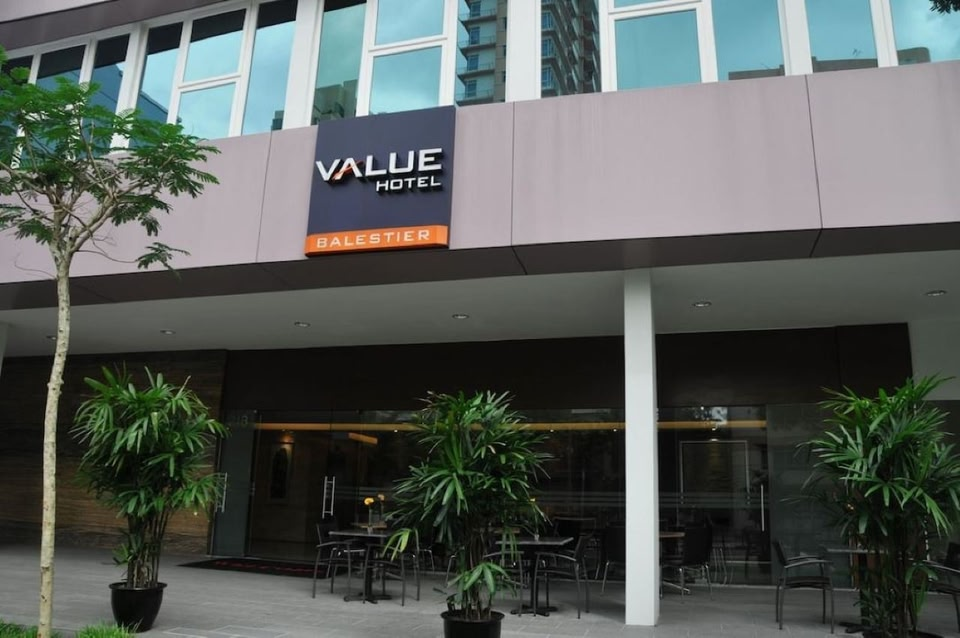
Balestier: The Heritage Choice
Balestier is often overlooked because it isn’t directly on an MRT line (you’ll need to take a short bus ride from Toa Payoh or Novena). Because of this slight "inconvenience," hotel prices are significantly lower. It’s a historic area famous for its lighting shops and some of the best Bak Kut Teh (pork rib soup) in the city.
Little India and Jalan Besar
If you want culture and proximity to the center, Little India is your best bet. It’s vibrant, colorful, and home to the 24-hour shopping mecca, Mustafa Centre . Just north of Little India is Jalan Besar , a former industrial area that has been gentrified with hipster cafes and boutique hostels. You get the "cool" factor without the "Central Business District" price tag.
Geylang: The Foodie’s Secret
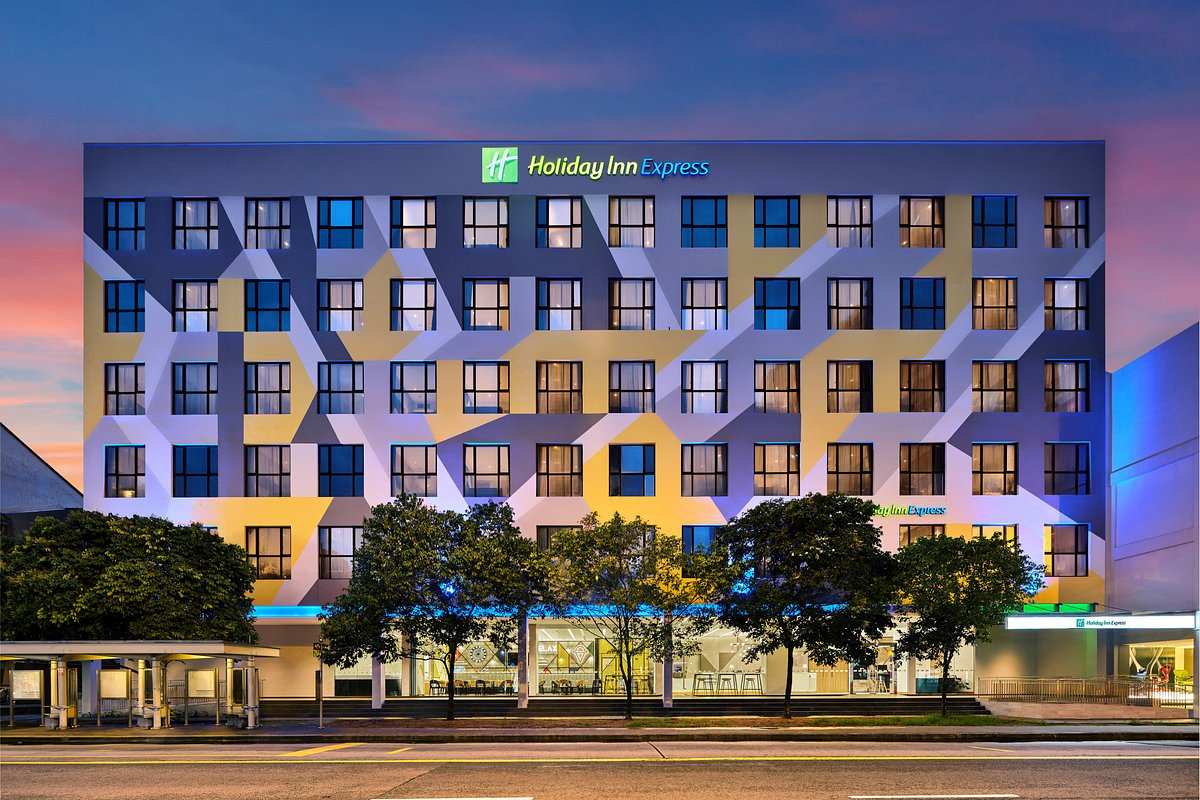
Geylang often gets a "reputation" because parts of it serve as Singapore's legal red-light district. However, for the savvy traveler, Geylang is one of the best places to stay. It is incredibly safe, home to some of the city's best late-night dim sum and frog porridge, and packed with budget hotel chains. Because of its reputation, prices here stay lower than anywhere else on the island. Look for hotels near Aljunied or Paya Lebar MRT stations for quick access to the rest of the city.
2. Embrace the "No-Frills" Giants
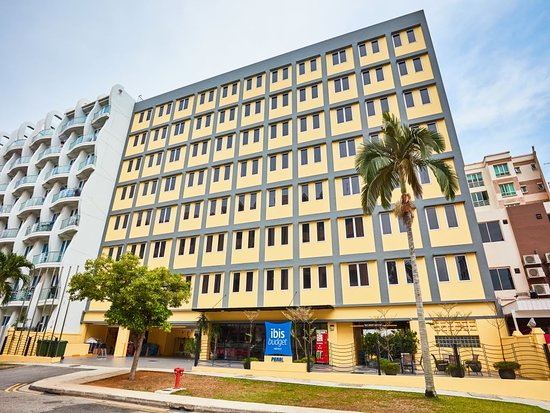
Singapore has two homegrown budget hotel chains that are ubiquitous: Hotel 81 and Fragrance Hotel.
Think of these as the "economy class" of accommodation. They are generally no-frills, the rooms are compact, and many of the entry-level rooms do not have windows. However, they are clean, air-conditioned, and strictly regulated. If you are the type of traveler who only needs a place to shower and sleep, these are your best friends.
Pro Tip: Look for the "Premier" or "Deluxe" versions of these chains (like Hotel 81 Premier Star). They are often only $10–$20 more expensive but offer significantly better amenities and more modern interiors.
3. The Rise of the "Smart" Capsule and Co-Living
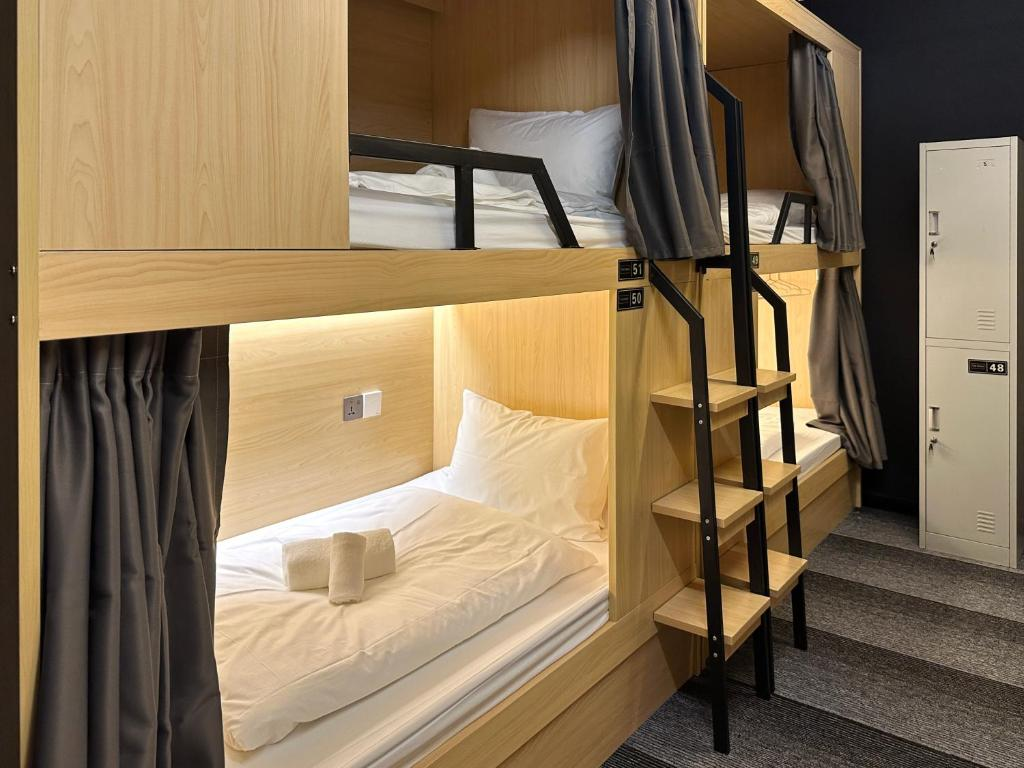
Singapore has perfected the art of the luxury hostel. If you are traveling solo or as a couple and don't mind a shared bathroom, capsule hotels are a fantastic way to stay in prime locations like Chinatown or Boat Quay for under $80 USD.
- The Pod @ Beach Road : Offers a more "executive" hostel experience with privacy screens and a minimalist aesthetic.
- ST Signature: This is a "co-living" concept where you get a private, albeit tiny, cabin with high-tech features, while sharing high-end bathroom facilities. They have locations in Chinatown and Tanjong Pagar that are impressively affordable for the location.
4. Booking Hacks and Timing
Singapore is a massive hub for business events and concerts (the "Taylor Swift effect" recently saw hotel prices quadruple).
- Avoid the F1 Window: The Singapore Grand Prix usually takes place in September. During this week, even the most basic rooms in Geylang will cost more than a suite at the Raffles.
- Check the Public Holiday Calendar: Singaporeans love a "staycation." Prices spike during Chinese New Year, Hari Raya, and school holidays (usually June and December).
- The 3-Month Rule: Unlike some European cities where last-minute deals are a thing, Singapore hotels tend to reward early birds. Aim to book at least 8 to 12 weeks out.
- Use the Right Tools: While you're tracking your flight on PingWing, make sure you're also checking local booking platforms. Sometimes, regional sites like Agoda have better "mobile-only" deals for Southeast Asia than the global giants.
5. Transport Strategy: The "MRT Proximity" Tax
In Singapore, you pay a premium to be within a 3-minute walk of an MRT station. If you are willing to stay somewhere that requires a 10-minute bus ride to the nearest station, your hotel bill will drop.
Don't be afraid of the buses. Singapore’s bus system is world-class, air-conditioned, and often provides a more scenic route through the heart of neighborhoods. To navigate these local routes efficiently, you’ll want a reliable data connection the moment you land. Grabbing a Singapore eSIM is the easiest way to ensure you can use Google Maps or Citymapper to find those tucked-away budget gems in Balestier or Katong.
6. Look for "In-Between" Boutique Hotels
There is a sweet spot in Singapore between the $80 budget chains and the $400 luxury towers. These are boutique hotels housed in restored shophouses. They offer a unique "Singaporean" experience that a Hilton or Marriott can't replicate.
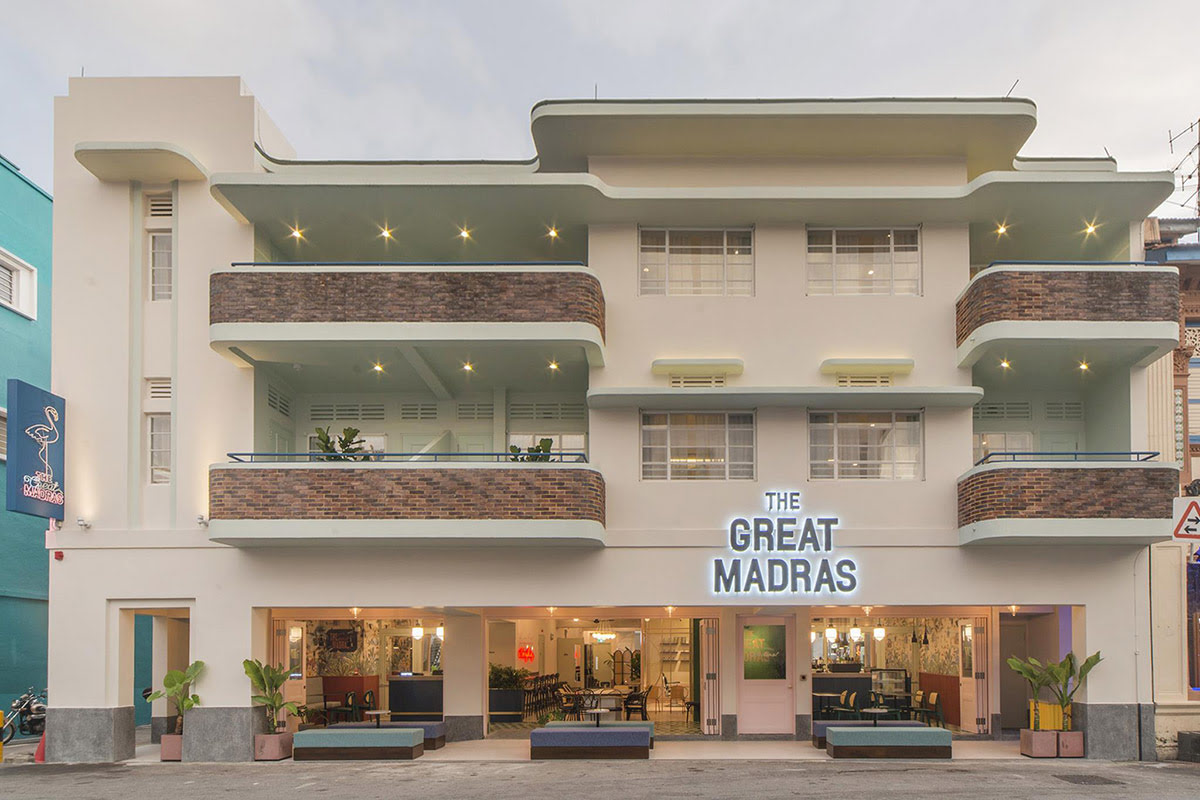
- The Great Madras : Located in Little India, this hotel is incredibly "Instagrammable" with a Wes Anderson vibe, offering everything from "The Great Suite" to more affordable "Cozy Containers."
- Heritage Collection: They offer digital-managed apartments (no front desk) in areas like Clarke Quay and Chinatown. Because they save on staffing and lobby space, the rooms are often larger and cheaper than traditional hotels.
7. The "Hidden" Costs to Watch Out For
When comparing prices, always check if the "Service Charge" and "GST" (Goods and Services Tax) are included. In Singapore, this is often referred to as "plus-plus" (++). A room listed at $150 might actually cost you $178.50 after the 10% service charge and 9% GST are added at checkout. Most major booking sites show the "total price," but some local hotel websites might lead with the base rate.
Summary: Your Budget Checklist
If you're planning a trip and want to keep your accommodation costs down, follow this checklist:
- Target Neighborhoods: Geylang, Little India, or Balestier.
- Verify MRT Access: Is there a bus or train within 500 meters?
- Check the "Window" Status: Many budget rooms in Singapore are windowless. If you're claustrophobic, read the fine print.
- Book Early: 2-3 months is the sweet spot.
- Skip the Breakfast: Don't pay $20 for a hotel buffet. Go to the nearest Hawker Centre and get a $3 Kaya Toast and Kopi.
Singapore doesn't have to break the bank. By moving your "home base" just a few kilometers away from the tourist traps of Marina Bay, you'll find that the city is surprisingly accessible—and you’ll have a much more authentic experience in the process.