
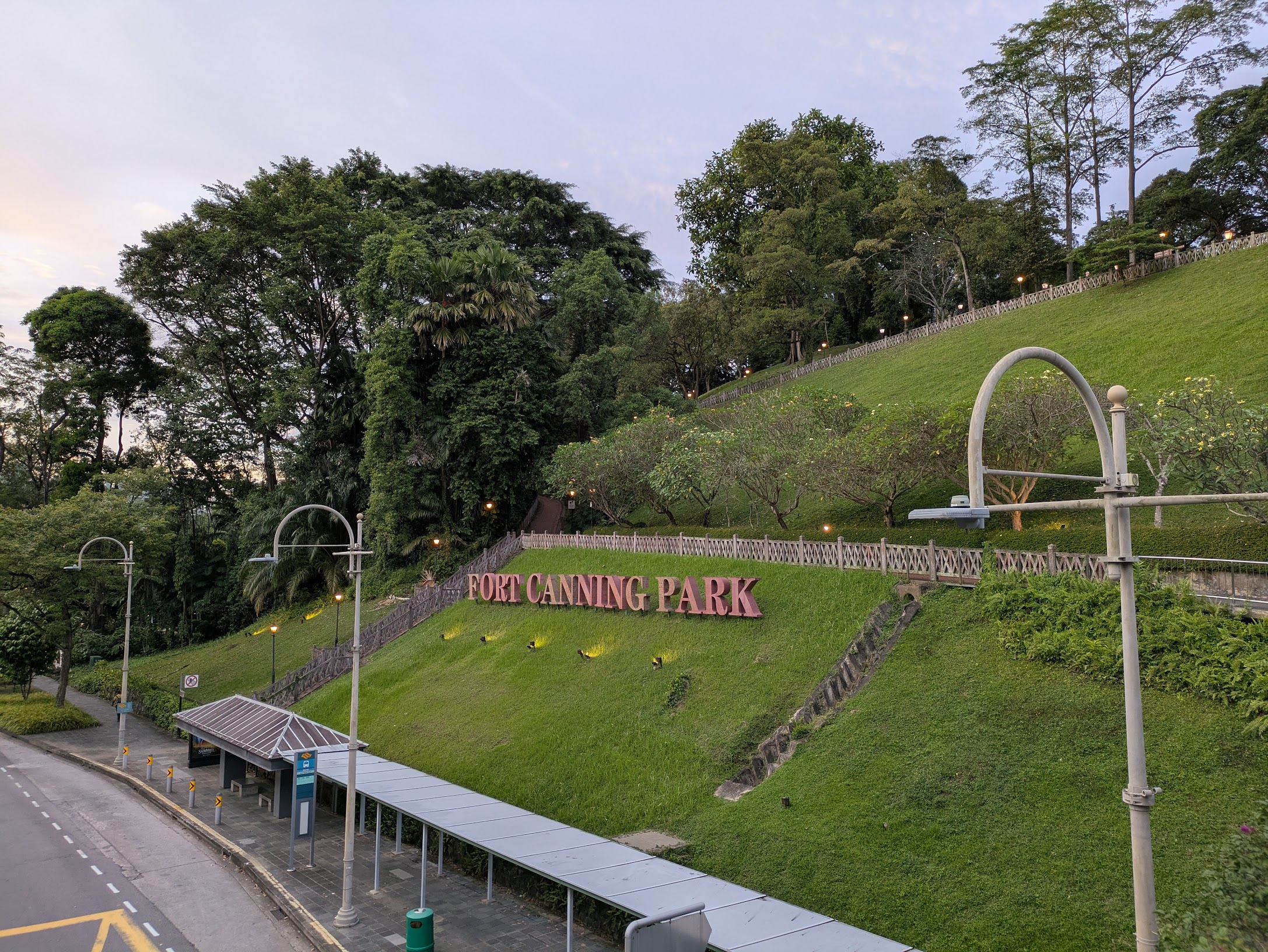
Beyond the Skyscrapers: A Deep Dive into the History of Fort Canning Hill
Discover the layers of Singapore’s past at Fort Canning Hill, from ancient "Forbidden" palaces and British fortresses to the secret WWII bunkers hidden beneath its lawns.
For many travelers, Singapore is a city of the future—a glittering skyline of glass, steel, and the iconic "Supertrees." But if you want to understand how this tiny island evolved from a 14th-century maritime port into a global financial hub, you have to look toward its center. Specifically, you have to look up.
Fort Canning Hill is more than just a 48-meter-high green space. It is the historical heart of the city. Known at various points in time as the "Forbidden Hill," "Government Hill," and the "Singapore Command Center," its soil holds the secrets of Malay kings, British colonizers, and the pivotal moments of World War II.
Whether you are a history buff or a casual traveler looking for the best Instagram spots in the city, here is everything you need to know about the history and the modern-day experience of Fort Canning Park.
The Ancient Era: Bukit Larangan (The Forbidden Hill)
Long before the British arrived in 1819, the hill was shrouded in local legend. In the 14th century, it was known as Bukit Larangan, or the "Forbidden Hill." According to the Sejarah Melayu (Malay Annals), this was the seat of the Kingdom of Singapura.
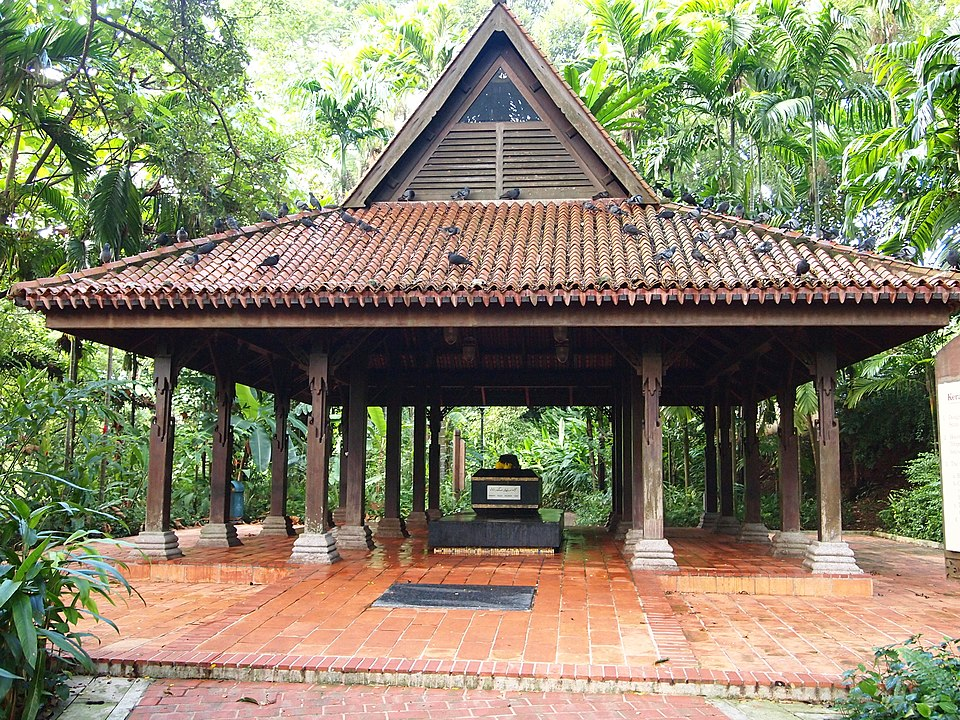
Malay royalty built their palaces here, overlooking the Singapore River. The hill was considered sacred ground, and commoners were forbidden from ascending it. It was believed to be the resting place of the five kings of ancient Singapura, including the legendary Sang Nila Utama.
Today, you can still see traces of this era. The Artisan’s Garden is one of the island's most important archaeological sites. Once the site of a 14th-century workshop, excavations here have uncovered fine pottery, glass beads, and gold ornaments, proving that Singapore was a thriving trade hub centuries before the colonial era.
The British Colonial Period: Government Hill
When Sir Stamford Raffles landed in Singapore in 1819, he immediately recognized the strategic value of the hill. He saw beyond the "Forbidden" myths and renamed it Government Hill. Raffles built his first residence there—a modest wooden bungalow—making it the administrative center of the new British settlement.
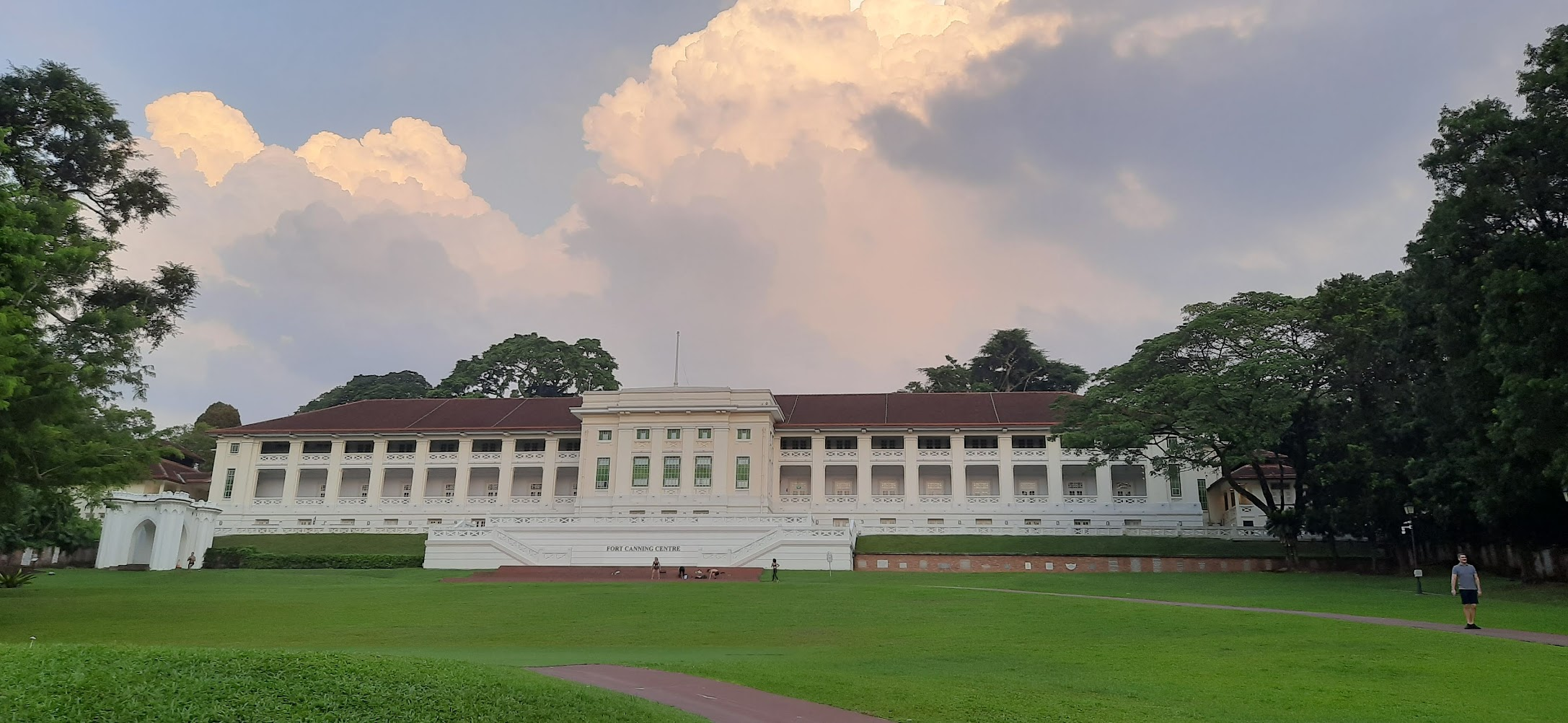
By 1822, Raffles established the first Botanical and Experimental Garden on the slopes. His goal was to cultivate spices like nutmeg and cloves, which were the "black gold" of the era.
In 1861, the hill’s role shifted from administrative to defensive. The British grew concerned about internal unrest and external threats, so they built a massive fortification. It was renamed Fort Canning, after Viscount Charles John Canning, the first Viceroy of India. The fort included a gunpowder magazine, a hospital, and barracks. While much of the fort was demolished in the 1920s to make way for a reservoir, the iconic Fort Canning Gate still stands as a reminder of its military past.
World War II: The Fall of Singapore
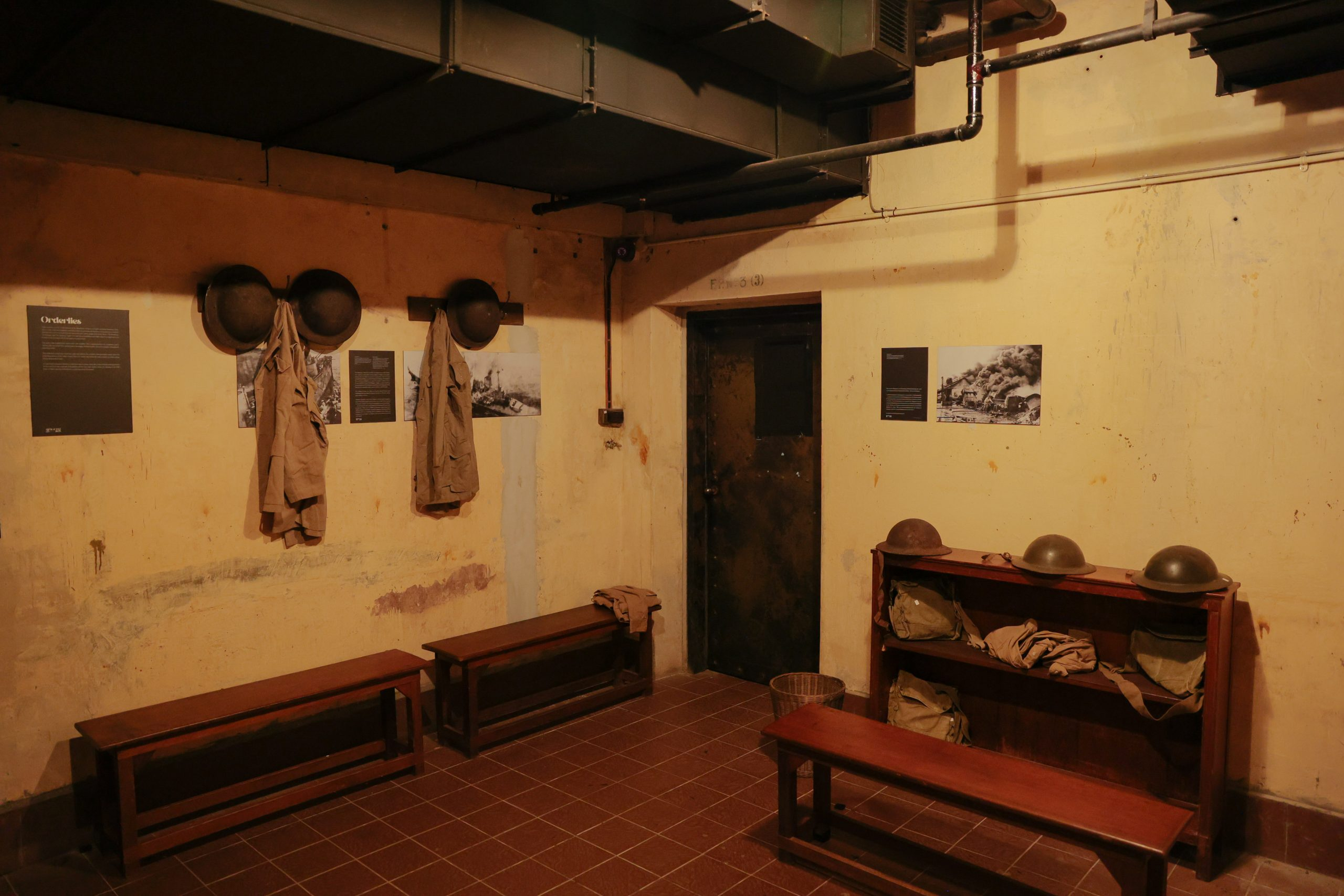
For many visitors, the most somber and significant part of the hill is located underground. During the late 1930s, as the threat of war loomed, the British built a secret underground command center beneath the hill.
This bunker, known as the Battlebox , was where the decision to surrender Singapore to the Japanese was made. On February 15, 1942, Lieutenant-General Arthur Percival and his senior officers met in this damp, sunless bunker and realized that with dwindling water and food supplies, they could no longer hold the "Gibraltar of the East."
During the Japanese Occupation (1942–1945), the hill was used by the Japanese military. Following the war, the British returned, and the hill continued to serve military purposes through the transition period when Singapore was part of the Malaysian state (1963–1965). After Singapore’s independence in 1965, the hill was eventually handed over to the public and transformed into the lush heritage park we see today.
What to See and Do Today
Modern Fort Canning is a 18-hectare oasis that blends high-tech landscaping with ancient ruins. In 2019, the park underwent a massive restoration to launch nine "Historical Gardens."
1. Sang Nila Utama Garden
Named after the founder of the Kingdom of Singapura, this garden is designed in a traditional Javanese style. With its split gateways (candi bentar) and reflective pools, it feels like stepping into a 14th-century palace courtyard. It is a peaceful spot that honors the hill’s pre-colonial identity.
2. The Spiral Staircase (Fort Canning Tree Tunnel)
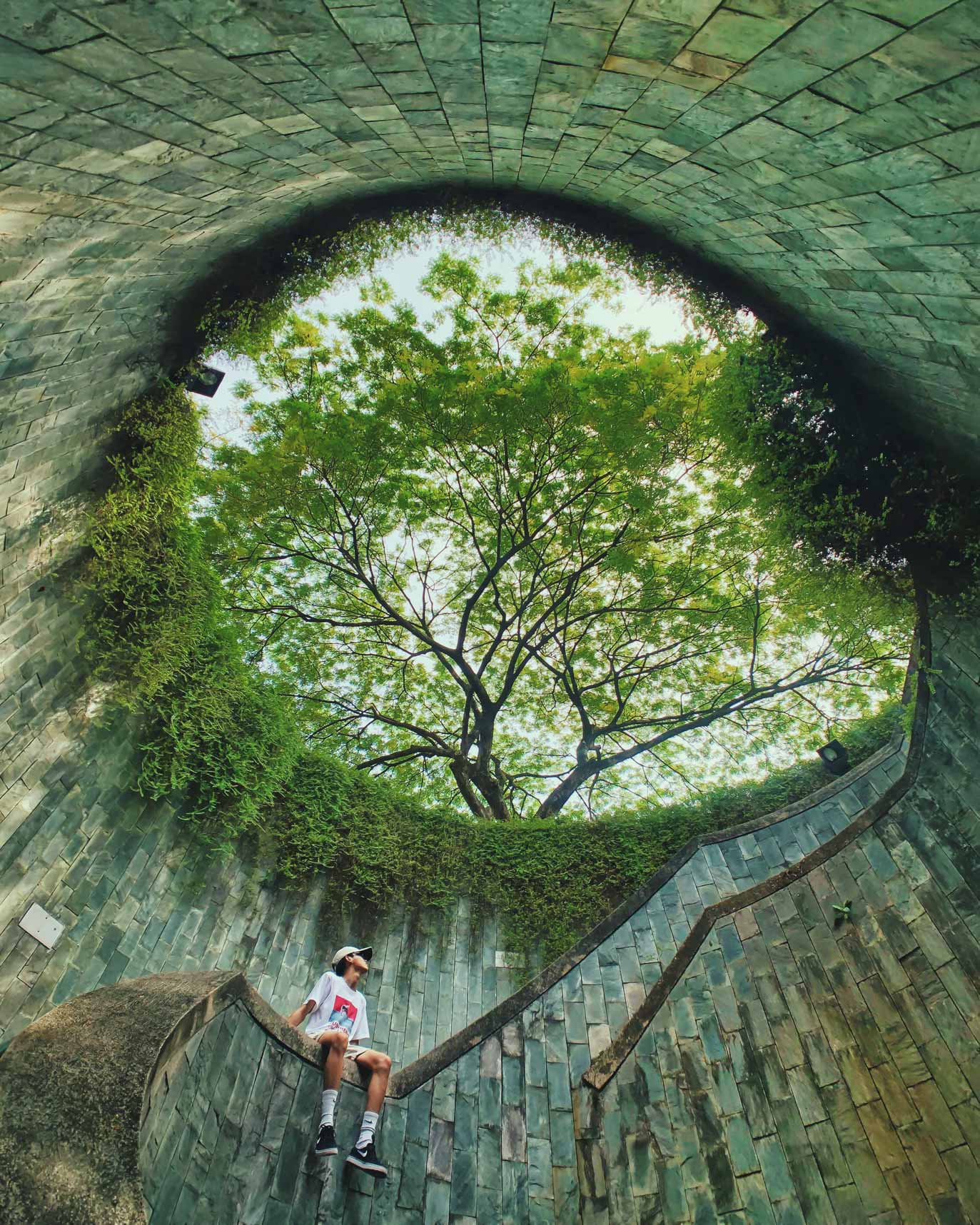
If you’ve seen photos of Fort Canning on social media, they were likely taken here. The Fort Canning Tree Tunnel is an underground crossing that leads to a dramatic circular staircase. Looking up from the bottom, the edges of the tunnel frame a massive yellow flame tree against the sky.
3. Pancur Larangan (The Forbidden Spring)
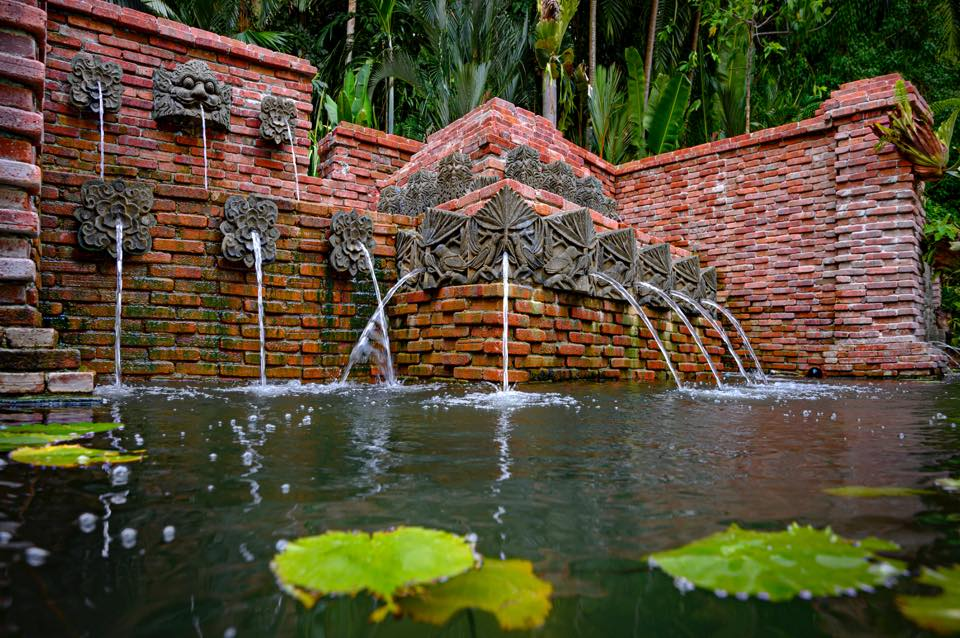
This is a recreation of the ancient bathing place for the noble ladies of the 14th-century court. The garden features a beautiful stone mural depicting life on the hill and a functional water feature that mimics the natural springs that used to flow here.
4. The Spice Garden
A tribute to Raffles’ original botanical garden, this area is filled with ginger, turmeric, and cacao plants. It’s a sensory experience that reminds visitors of the economic history that brought the British to these shores in the first place.
5. The Battlebox Tour
You cannot visit Fort Canning without going underground. The Battlebox offers guided tours that use wax figures and multimedia to recreate the tension of February 1942. It is an eerie, fascinating look at the logistical side of war.
Practical Tips for Your Visit
- Getting There: The park is incredibly accessible. Use the MRT and exit at Fort Canning Station (Downtown Line), Clarke Quay Station (North East Line), or Dhoby Ghaut Station (North South/North East/Circle Line). From Dhoby Ghaut, there is an escalator near the National Museum that takes you directly into the park, saving you a steep climb.
- Best Time to Visit: Singapore is humid year-round. Aim for early morning (7:30 AM – 9:30 AM) or late afternoon (after 5:00 PM). The park is well-lit and safe at night, often hosting outdoor movie screenings or concerts on the Fort Canning Green.
- What to Wear: Wear comfortable walking shoes. While the paths are paved, there are many stairs and slopes.
- Nearby Attractions: The park is adjacent to the National Museum of Singapore , making it easy to combine a morning hike with an afternoon of air-conditioned culture.
Why Fort Canning Matters
In a city that often feels like it's constantly deleting its past to make room for the future, Fort Canning Hill is a rare "save point." It is a place where you can stand on a 14th-century archaeological dig site, look at a 19th-century British gate, and see the futuristic towers of the Central Business District all in one glance.
It represents the resilience of Singapore—from a forbidden royal hill to a fallen fortress, and finally, to a vibrant public space. For the modern traveler, it offers a necessary breath of fresh air and a deep, meaningful connection to the history of Southeast Asia.