
From "Island of Death" to the State of Fun: The Surprising History of Sentosa
Once a pirate haunt known as the "Island of Death," Sentosa has undergone one of the most radical transformations in travel history. Discover how this military outpost became Singapore’s premier playground.
For most modern travelers landing at Changi Airport, Sentosa is synonymous with luxury beach clubs, the cinematic thrills of Universal Studios, and high-stakes gaming at Resorts World. It is the "State of Fun," a meticulously curated island getaway just a short monorail ride from the skyscrapers of Singapore’s Central Business District.
However, Sentosa’s glossy exterior hides a dark and complex history. Long before the first roller coaster was built, this island was known by a much more ominous name: Pulau Blakang Mati—literally, the "Island of Death from Behind."
To understand how a place once feared by locals became a global tourism magnet, you have to look back at the layers of history—from pirate hideouts and colonial fortresses to a radical 1970s rebranding that changed the island's trajectory forever.
The Dark Origins: Pulau Blakang Mati
The early history of the island is shrouded in folklore and grim reality. In the 19th century, Malay and Bugis settlers lived in small fishing villages along the coast. The name Pulau Blakang Mati first appeared on maps as early as the 1600s. While historians debate the exact origin of the name, the theories are equally chilling. Some suggest it referred to the frequent pirate raids that occurred in the waters behind the island, while others point to a deadly outbreak of malaria or "miasma" that decimated the early population in the 1840s.
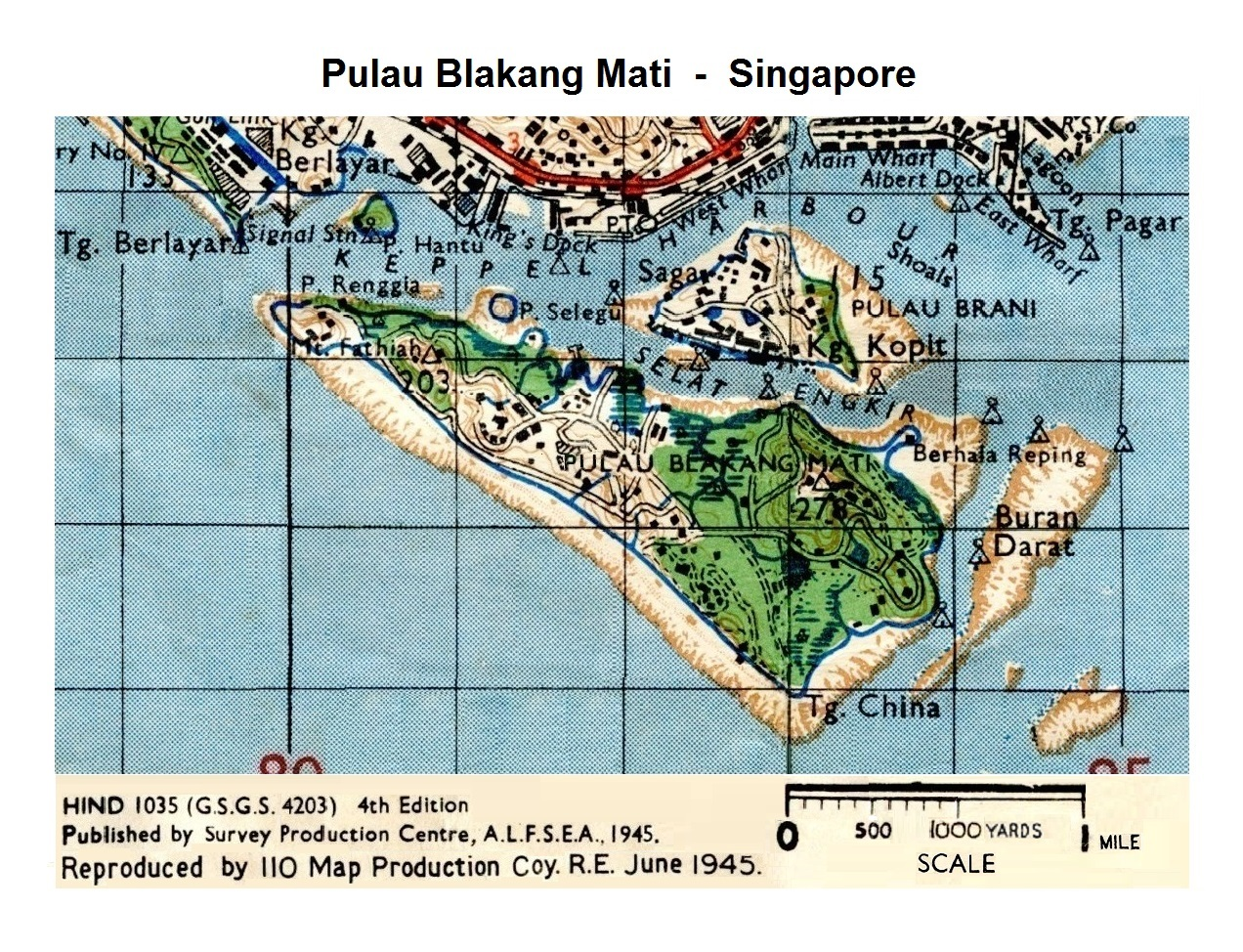
Despite its reputation, the island’s location was strategically perfect. Situated at the entrance to Singapore’s southern harbor, it offered a panoramic view of any ships approaching the Keppel Harbor. This did not go unnoticed by the British Empire.
The Fortress Era: Defending the Crown
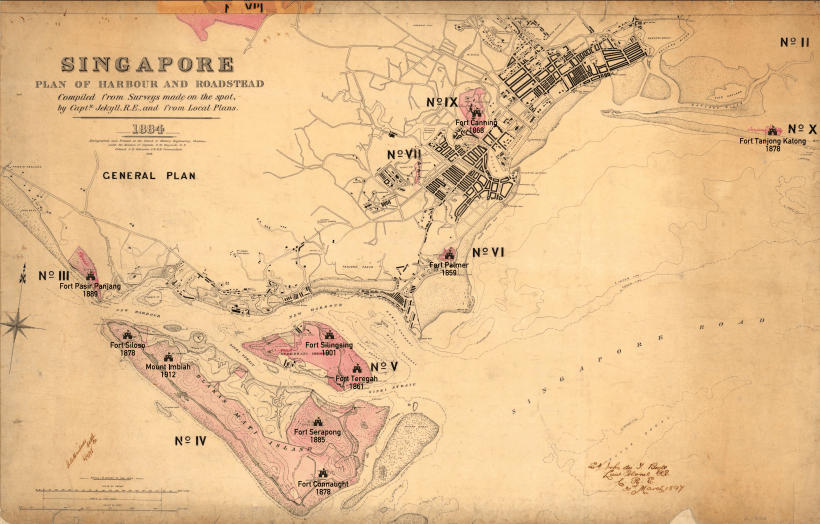
As Singapore grew into a vital colonial trading post, the British military began transforming the island into a defensive bastion. Between the 1880s and the 1930s, the "Island of Death" became a heavily fortified zone.
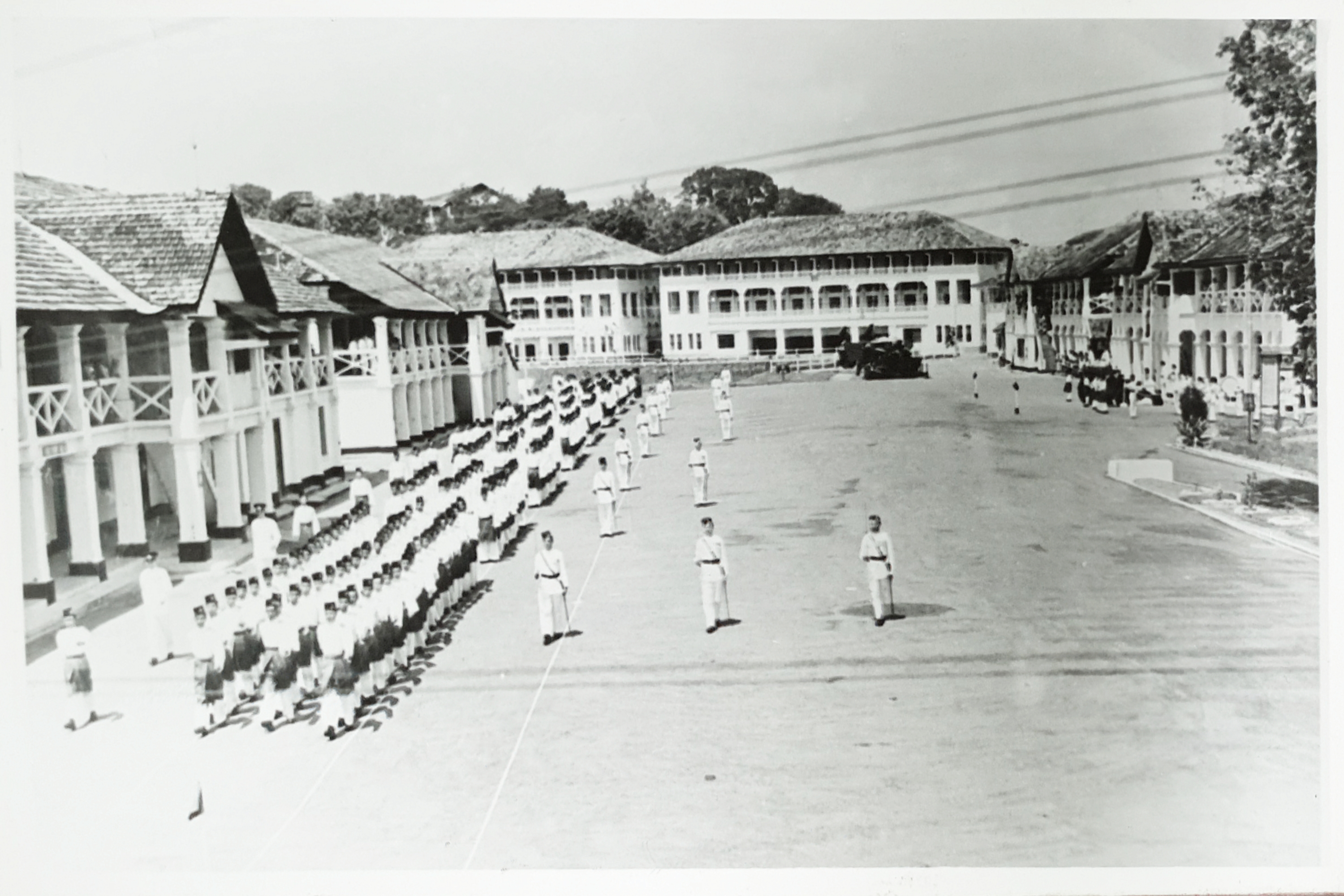
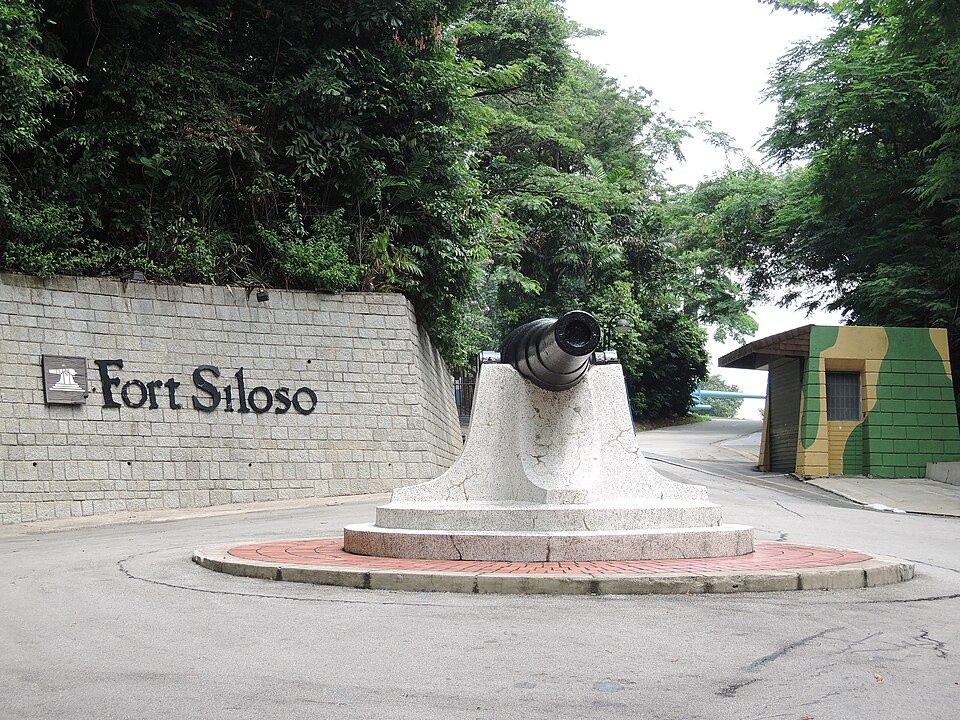
The British built several massive coastal batteries, the most famous of which was Fort Siloso . These forts were equipped with massive 9.2-inch and 6-inch guns, designed to repel a seaborne invasion from the south. For decades, the island was off-limits to civilians, populated instead by British and Indian soldiers who manned the barracks and scanned the horizon for enemy fleets.
The Trauma of World War II
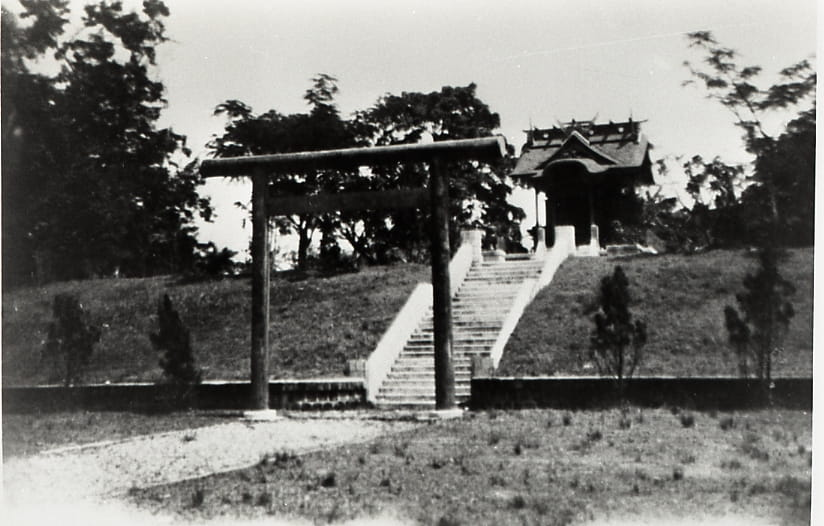
The history of Sentosa took its darkest turn during the Second World War. When the Japanese invaded Singapore in February 1942, the guns of Fort Siloso—which were designed to fire out to sea—had to be rotated 180 degrees to fire at Japanese positions on the mainland.
Ultimately, the fortifications could not prevent the fall of Singapore. During the Japanese occupation, the island (renamed Shonan-to by the Japanese) became a site of significant trauma. It served as a prisoner-of-war camp for British and Australian soldiers. More tragically, the beaches of the island were used as execution sites during the Sook Ching massacre, where thousands of Chinese civilians were systematically killed.
For many years after the war, the island remained a military zone, but it was haunted by these memories. It was a place of barracks, bunkers, and ghosts—hardly the foundation for a vacation destination.
1972: The Birth of "Sentosa"
In the late 1960s, the newly independent Singapore government faced a dilemma. The British were withdrawing their military forces, leaving behind vast tracts of land. Initial plans for the island included a massive oil refinery, but a visionary decision was made to pivot toward tourism and recreation instead.
In 1970, a public contest was held to rename the island. The winner was "Sentosa," a Sanskrit-derived word meaning "peace and tranquility."
The transformation was rapid. In 1974, the Singapore Cable Car was launched, connecting Mount Faber on the mainland to Sentosa, offering travelers their first bird’s-eye view of the developing resort. The government established the Sentosa Development Corporation (SDC) to oversee the transition from a military outpost to a public park.
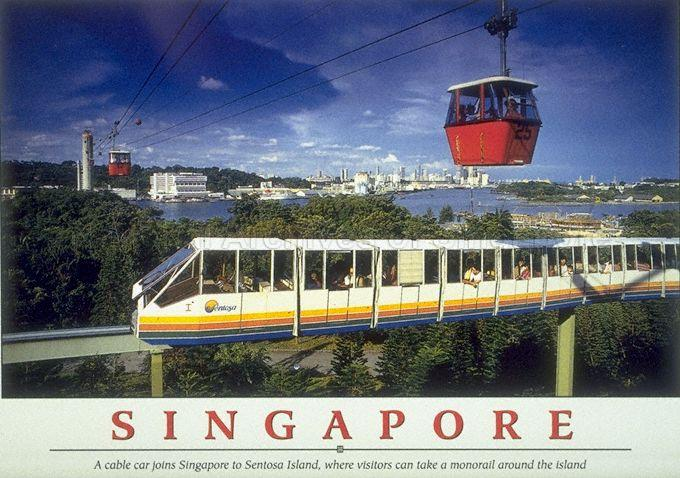
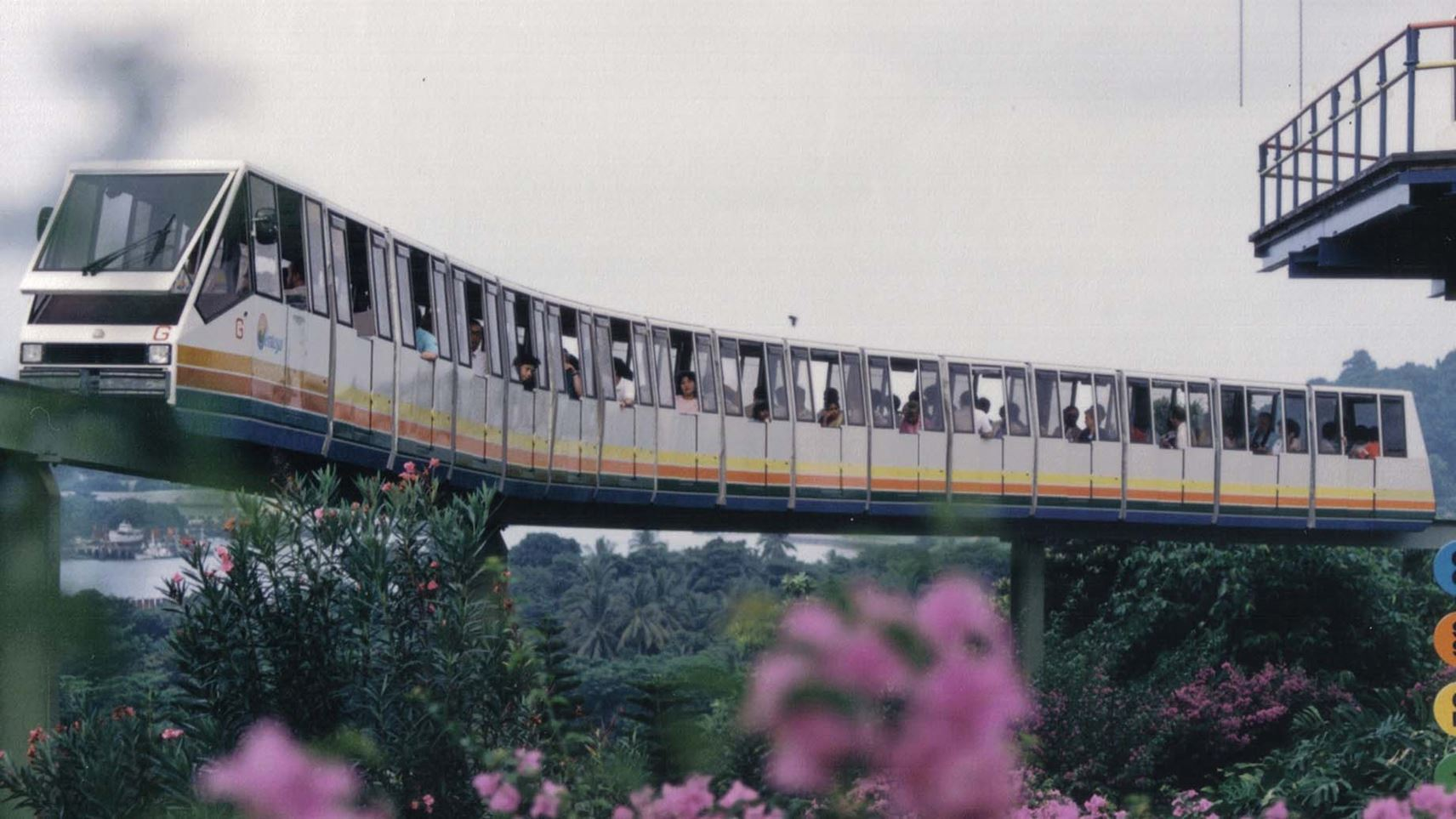
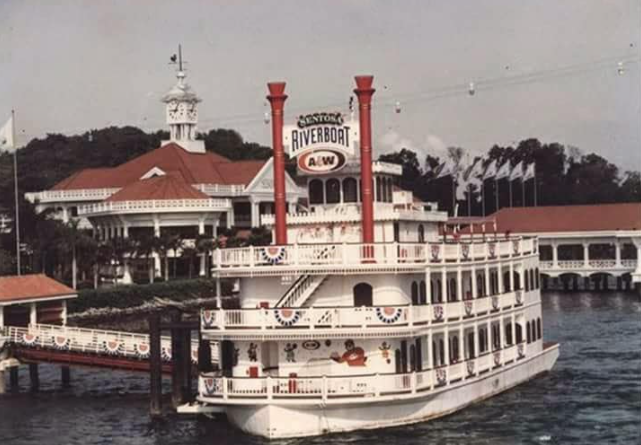
Early attractions were humble by today’s standards: a musical fountain, a wax museum (Images of Singapore), and a monorail system that circled the island. For the 25–45 age demographic of today, childhood memories of Sentosa likely involve these simpler, slightly kitschy attractions.
The Billion-Dollar Shift: Resorts World and Sentosa Cove
The Sentosa we recognize today—a high-end, world-class destination—didn't truly take shape until the mid-2000s. The Singapore government realized that to compete with regional rivals like Hong Kong or Bali, Sentosa needed a massive infusion of capital and "anchor" attractions.
Two major developments changed everything:
- Sentosa Cove: In 2003, the eastern end of the island was transformed into a luxury residential enclave. Sentosa Cove Village became the only place in Singapore where foreigners could own landed property with private yacht berths. It signaled the island's shift toward the ultra-wealthy.
- Resorts World Sentosa (RWS): In 2006, the Genting Group won the bid to build one of Singapore’s two "Integrated Resorts." This led to the opening of Universal Studios Singapore , the S.E.A. Aquarium, and a massive casino.
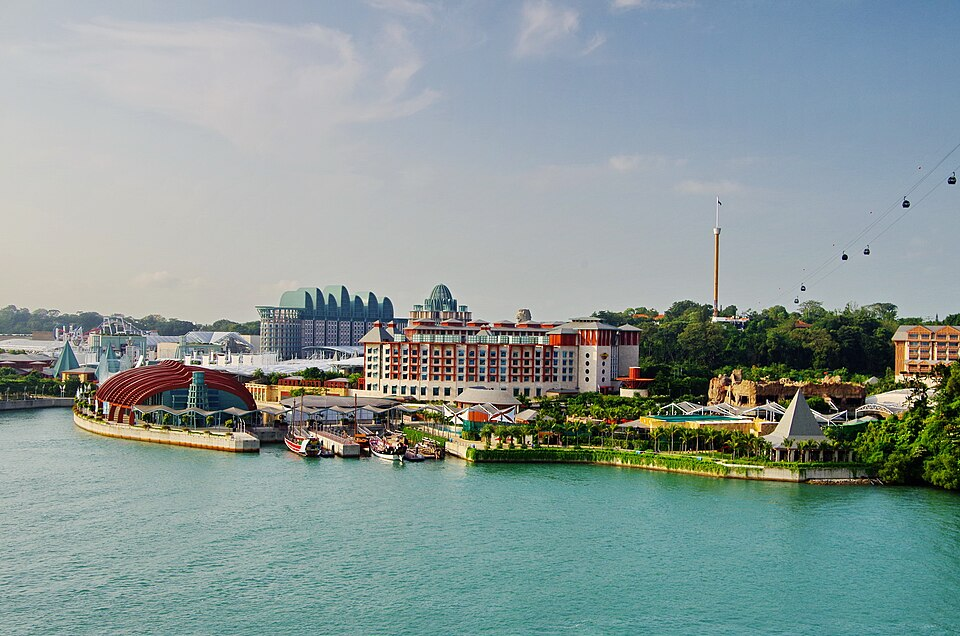
Suddenly, Sentosa wasn't just a place for a weekend stroll; it was a multi-day destination. For the modern frequent flyer, this makes Sentosa an ideal layover stop. If you're heading into the city, grabbing a Singapore eSIM ensures you can navigate the island’s various transport apps and shuttle schedules without missing a beat.
Sentosa Today: A Balance of History and Hype
Today, Sentosa is divided into distinct zones that reflect its layered past.
- Siloso Point: Home to the preserved Fort Siloso, where you can still walk through the tunnels and see the massive guns that once defended the harbor. It is the only preserved coastal fort in Singapore and serves as a vital historical counterpoint to the nearby glitz.
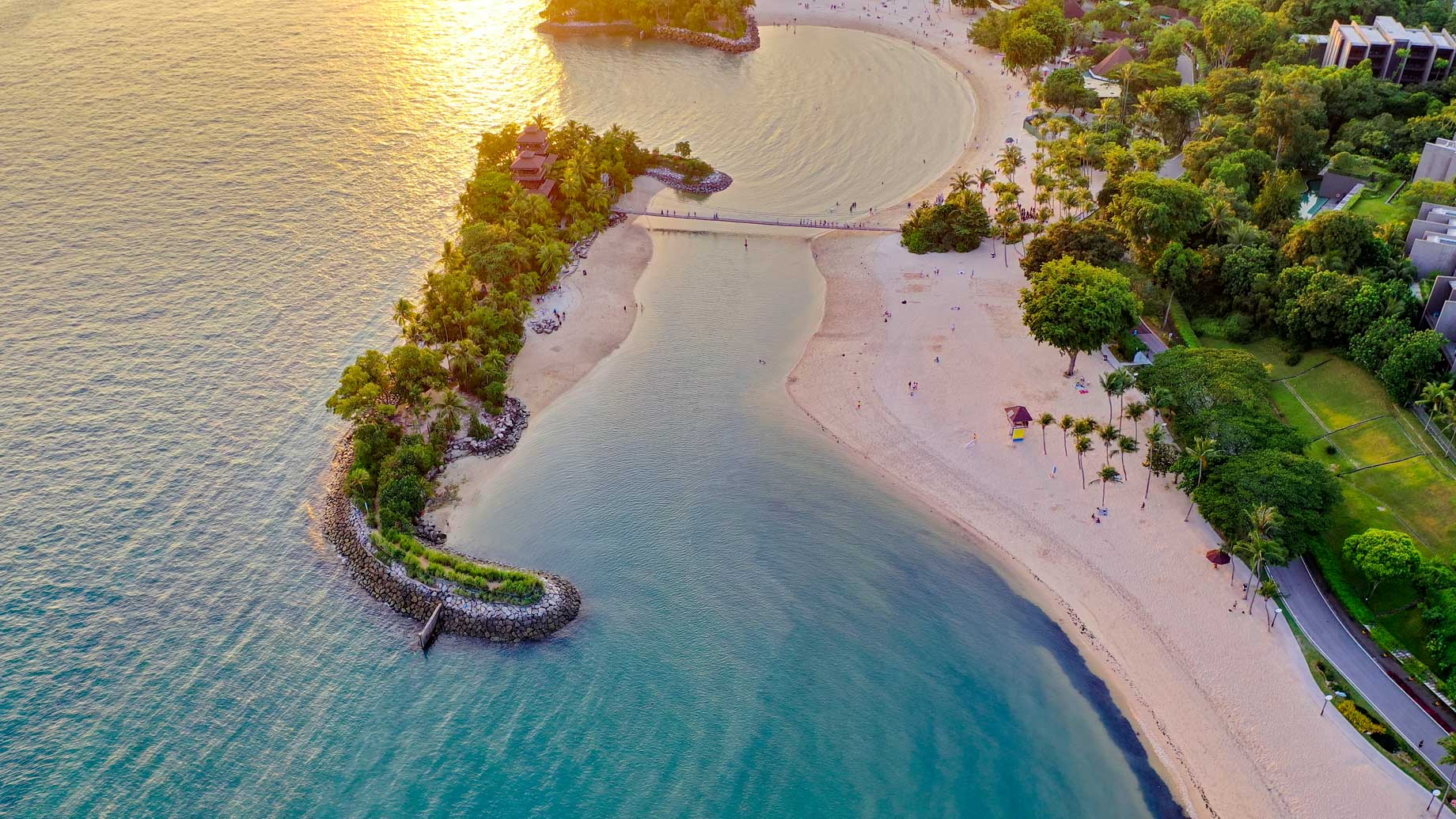
- The Beaches: Siloso, Palawan, and Tanjong beaches offer everything from bungee jumping at Skypark to the sophisticated vibes of Tanjong Beach Club .
- The Sensoryscape: The newest addition to the island, opened in early 2024, is the Sentosa Sensoryscape. This 30,000-square-meter walkway uses light, sound, and augmented reality to create an immersive "sensory" experience that connects the north of the island to the beaches.
The Future: The Great Southern Waterfront and Sustainability
Sentosa isn't finished evolving. The Singapore government has unveiled the Sentosa-Brani Master Plan, a decades-long redevelopment project.
The plan involves integrating Sentosa with the nearby Pulau Brani and the "Great Southern Waterfront"—a massive coastal redevelopment on the mainland. The goal is to make the island more "wild" and sustainable. Sentosa has pledged to become a carbon-neutral destination by 2030, a move that aligns with the growing trend of eco-conscious travel among frequent flyers.
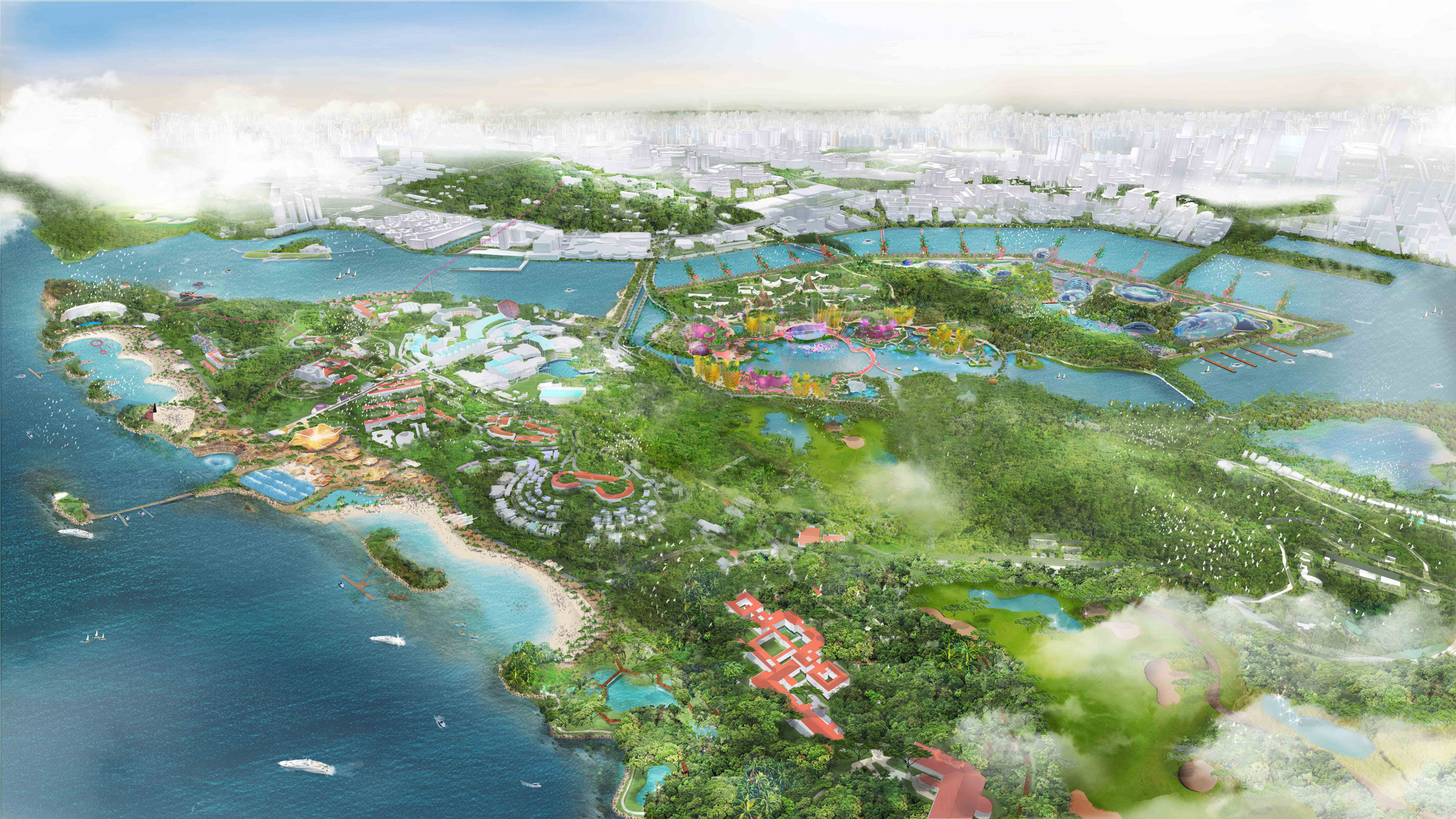
We can expect more nature-based attractions, expanded beach areas, and a focus on "heritage-themed" tourism that leans back into the island's colonial and indigenous roots.
Practical Tips for the Modern Traveler
If you’re planning a visit to Sentosa during your next Singapore trip, here’s how to make the most of it:
- Transport: While the Cable Car is the most scenic way to arrive, the Sentosa Express monorail from VivoCity is the fastest. If you're feeling active, the Sentosa Boardwalk is a pleasant 15-minute walk from the mainland and often features art installations.
- Connectivity: Singapore is a digital-first city. Most attractions require QR code tickets. Using a local data plan is essential; you can get an eSIM before you even leave the airport to avoid hunting for physical SIM cards at the terminal.
- Timing: Avoid weekends if possible. Sentosa is a favorite for local families, and queues at Universal Studios or the Luge can exceed two hours on Saturdays.
- The Hidden Gem: Don't skip Fort Siloso. It’s free to enter, and the Skywalk offers some of the best sunset views on the island without the price tag of a rooftop bar.
Sentosa’s journey from the "Island of Death" to a global icon of leisure is a testament to Singapore’s ability to reinvent itself. Whether you're there for the history, the adrenaline, or just a cocktail by the sand, you're walking on ground that has seen some of the most dramatic shifts in Southeast Asian history.