
Gudi Padwa 2026: Where to Find the Most Authentic Puran Poli in Girgaon
Celebrate the Marathi New Year on March 19 by skipping the tourist traps and heading to these family-run kitchens in Mumbais oldest residential neighborhood.
Gudi Padwa 2026: Where to Find the Most Authentic Puran Poli in Girgaon
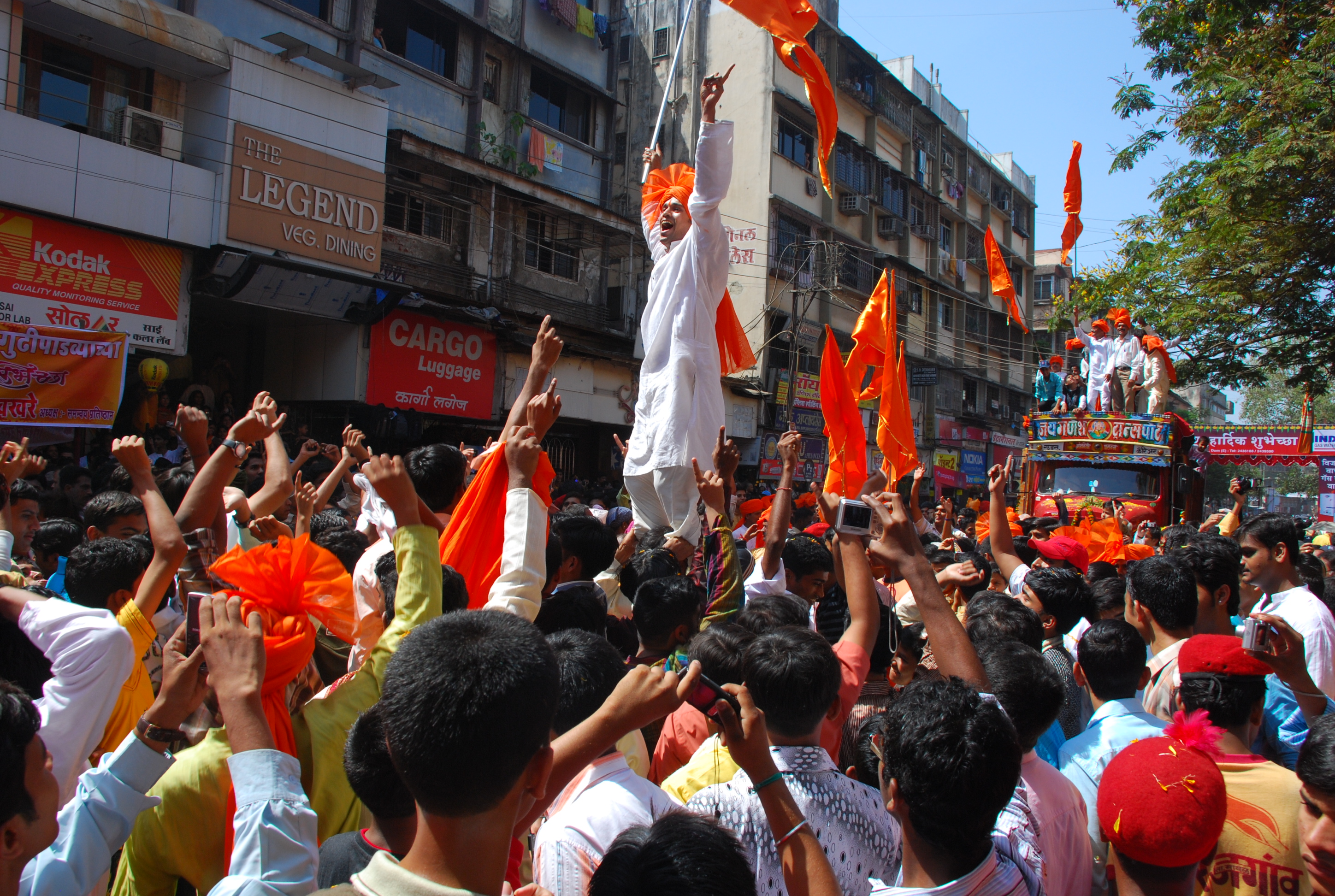
Gudi Padwa falls on March 19, 2026, and Mumbai is already preparing for the massive cultural processions, known as Shobha Yatras, that will take over the streets of Girgaon and Dadar. While the sight of thousands of people in traditional Maharashtrian attire is a spectacle worth the flight alone, the real reason to brave the humidity of South Mumbai is the food—specifically, the puran poli.
If you’ve ever had a mass-produced, rubbery puran poli from a hotel buffet, I’m here to tell you that you haven’t actually tasted one. A real puran poli is a delicate, paper-thin flatbread stuffed with a sweet, aromatic paste of chana dal and jaggery, heavy on the nutmeg and cardamom, and served swimming in a pool of golden tup (homemade ghee). On March 19, the "tourist" move is to stand on the main road and watch the floats. The traveler's move is to duck into the narrow wadis of Girgaon to find the kitchens where this craft has been perfected over a century.
The Girgaon Time Capsule
Most travelers landing at BOM (Chhatrapati Shivaji Maharaj International Airport) head straight for the glitz of Colaba or the business hubs of BKC. But Girgaon is the city’s oldest residential neighborhood, a maze of chawls and wadis that feels like 1920s Bombay. It’s the spiritual home of the Marathi community in the city.
On the morning of Gudi Padwa, the atmosphere here is electric. You’ll see the Gudi—a silk cloth tied to a bamboo pole with a copper pot on top—hoisted outside windows. The air smells of marigolds and incense. But if you follow your nose past the main thoroughfares, you’ll find the small, family-run windows where the best puran polis are sold.
Skip the Famous Names, Find the "Windows"
In Mumbai, we have a saying: the smaller the shop, the better the poli. While places like Panshikar are legendary and certainly high-quality, they get slammed during the festival. You’ll be waiting in a line that snakes around the block only to find they’ve run out of the "Special" batch.
Instead, I recommend heading toward Phadke Wadi. This is the epicenter of the Girgaon Shobha Yatra. Look for the small, non-descript counters that don’t have neon signs.
One of my favorite "secret" spots is a tiny window near the Sikka Nagar area. There’s no Google Maps pin for it, but you’ll know it by the stack of stainless steel dabbas and the frantic pace of women flipping polis on huge iron tawas. These are often community kitchens or home-run setups that only open their doors during the festival.
Pro Tip: If you want the real deal, ask for "Sajuk Tupatli Puran Poli." This confirms you want the one made with pure ghee, not vanaspati or oil. It’s more expensive, and it’s worth every rupee.
The Counterintuitive Timing Tip
Most people think they should head to Girgaon for lunch. That is a mistake. By 1:00 PM, the Shobha Yatra is at its peak, the temperature is pushing 34°C (93°F), and the best puran polis are long gone.
The "insider" window is between 7:30 AM and 9:30 AM. This is when the polis are coming off the griddle hot. You can grab a couple, wrapped in newspaper or foil, and eat them while standing on a street corner watching the traditional Lezim dancers start their rehearsals.
The best part? At this hour, the "Katachi Amti"—a thin, spicy, tangy dal made from the leftover water used to boil the chana dal—is also fresh. Drinking a cup of spicy Amti alongside a sweet Puran Poli is the ultimate Maharashtrian flavor balance. If you skip the Amti, you’re only getting half the experience.
Navigating the Logistics of March 19
Getting to Girgaon on Gudi Padwa is a tactical challenge. Many roads are cordoned off for the processions. If you try to take an Uber from North Mumbai or the airport, you’ll end up stuck in a gridlock near Opera House for two hours.
The only way to do this right is the Western Line local train. Get off at Charni Road Station. From there, it’s a five-minute walk into the heart of Girgaon. If you’re flying in for the weekend and staying near the airport, don’t even think about the road. Take the train, or better yet, stay at a boutique hotel in South Mumbai the night before.
If you’re arriving from overseas or another part of India, navigating these crowded streets requires a working data connection—you’ll need your GPS to find the tiny lanes I’m talking about. If you’re landing at BOM and heading straight to South Mumbai, make sure you’ve sorted your data; I usually grab an eSIM for India before I even clear immigration so I can call a cab or check train timings without fighting for the airport Wi-Fi.
Beyond the Sweetness: What to Look For
While you’re hunting for poli, keep an eye out for these other Gudi Padwa essentials that are hard to find any other time of year:
- Shrikhand: Look for the "Amrakhand" (mango flavored). In March, the first Alphonso mangoes are hitting the market, and the Shrikhand in Girgaon is thick, creamy, and lacks the preservative aftertaste of the tubbed stuff you find in supermarkets.
- Kothimbir Vadi: Savory cilantro cakes that are steamed and then fried. These are the perfect palate cleanser after all that sugar.
- The Neem Leaf Ritual: You might see locals eating a paste of neem leaves, jaggery, and tamarind. It’s a tradition to start the New Year with a mix of bitter, sweet, and sour—a reminder that life will have all these flavors in the coming year. It’s an acquired taste, but try a small bit for the "blessing."
The "Real" Girgaon Experience
I remember a Gudi Padwa a few years ago when I got completely lost trying to find a specific shop recommended by a friend’s grandmother. I ended up in a small courtyard where a group of women were preparing a community feast. I didn't find the shop, but one of the women saw me looking confused and handed me a warm poli on a piece of banana leaf. It was better than anything I could have bought.
That’s the thing about Girgaon. It’s not a "tourist destination" in the way the Gateway of India is. It’s a living, breathing community. Be respectful, don’t shove your camera in everyone’s face during the Shobha Yatra, and if you see a long line of locals, get in it. They know something you don't.