
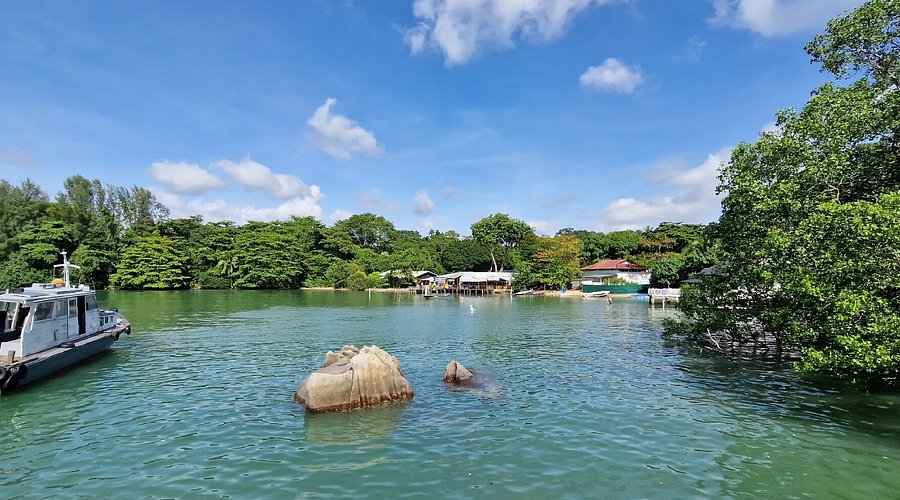
Beyond the Layover: 7 Hidden Gems That Prove Singapore Isn't Boring
Think Singapore is just a 48-hour layover city of malls and skyscrapers? Discover the hidden kampongs, abandoned reservoirs, and vibrant heritage neighborhoods that most tourists miss.
For many travelers, Singapore is a "stopover city"—a polished, high-tech transit hub where you spend 48 hours ticking off Marina Bay Sands, the Supertrees, and maybe a quick lap around Orchard Road before heading elsewhere. The common refrain is that Singapore is "sanitized," "too expensive," or simply "boring" once you’ve seen the main skyline.
But as any local will tell you, the Singapore of the guidebooks is only the surface. If you dig just one layer deeper, you’ll find an island of rugged nature trails, abandoned colonial relics, and neighborhoods where the 21st century hasn’t quite caught up yet. If you think there’s nothing to do here, you’re simply looking in the wrong places.
Here are the less-known sides of the Lion City that prove it’s worth much more than a two-day transit.
1. Step Back in Time at Pulau Ubin
While Sentosa Island is the flashy "State of Fun" with its theme parks and beach clubs, Pulau Ubin is its antithesis. This is Singapore’s last "kampong" (village), a small island where time effectively stopped in the 1960s.
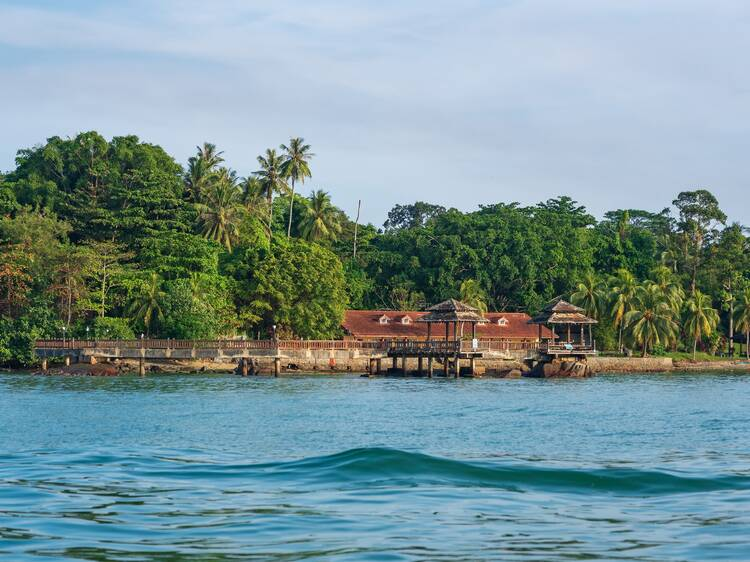
To get there, you take a $4 bumboats from Changi Point Ferry Terminal. There is no set schedule; the boat leaves when 12 people show up. Once on the island, the best way to explore is by renting a rickety bicycle for the day. You’ll pedal past granite quarries, traditional wooden houses with zinc roofs, and the Chek Jawa Wetlands , where a boardwalk takes you through one of the city’s richest ecosystems. It’s a humid, wild, and wonderfully unpolished side of the country that feels worlds away from the CBD.
2. Hike the Rail Corridor and Clementi Forest
Most visitors head to the Botanic Gardens for their "green fix," but the real adventure lies along the Rail Corridor . This 24-kilometer stretch of land was once the railway line connecting Singapore to Malaysia. Since the tracks were removed, it has been transformed into a continuous green artery cutting through the heart of the island.
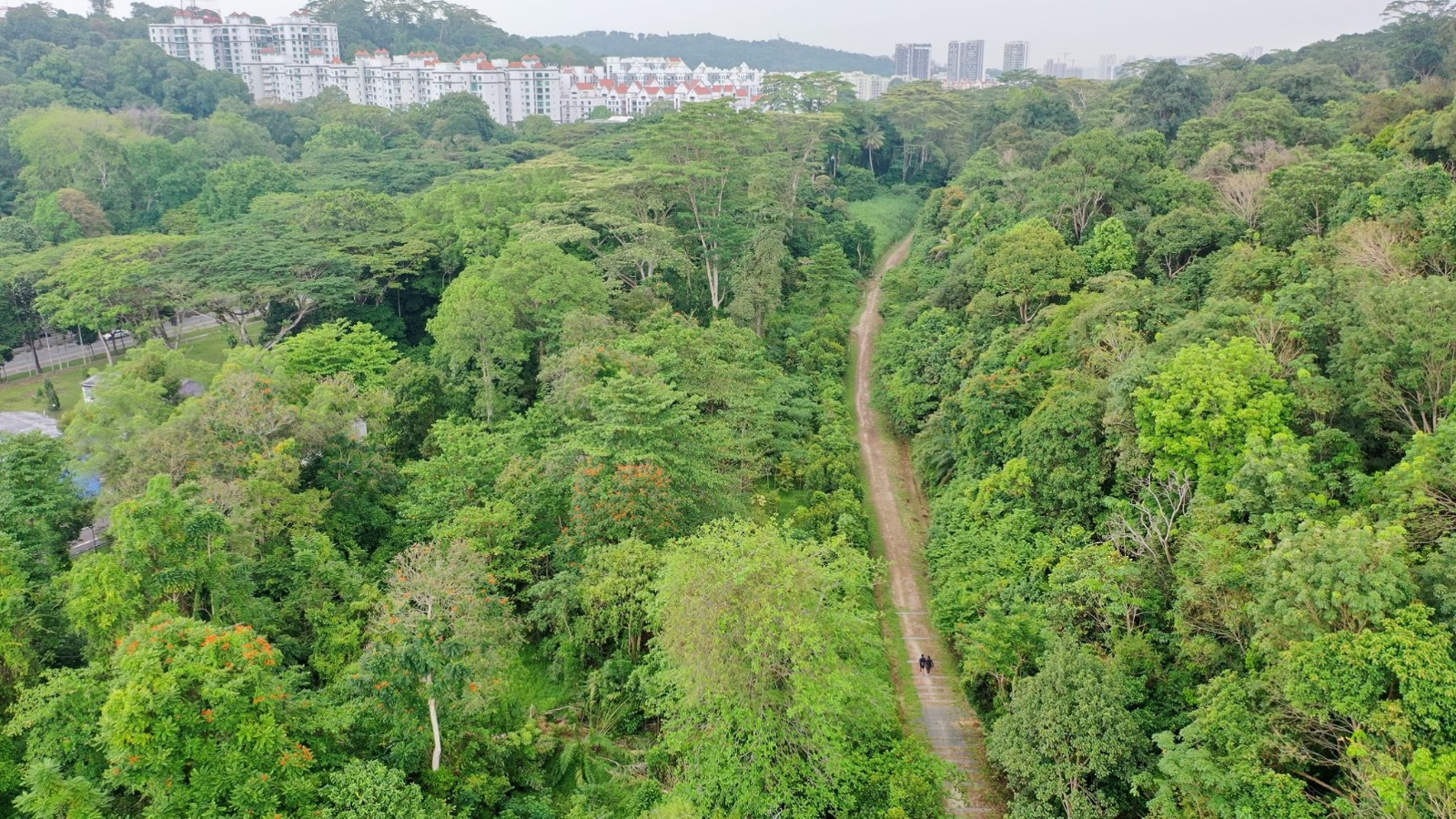
For a more "off-trail" experience, duck into the Clementi Forest near the old Bukit Timah Railway Station. Unlike the manicured parks elsewhere, this area is intentionally left wild. If you’re willing to trudge through some mud (especially after a tropical downpour), you’ll find yourself in a misty, Jurassic-looking valley that looks absolutely nothing like the "Garden City" postcards.
3. The Art Deco Charm of Tiong Bahru
If you want to see where Singapore’s creative class actually hangs out, skip the malls and head to Tiong Bahru . This is one of the oldest housing estates in the country, famous for its unique 1930s "Streamline Moderne" architecture—think rounded corners, porthole windows, and long balconies.
The neighborhood is a mix of old-school "aunties" buying groceries and hipsters drinking oat milk lattes. Start your morning at the Tiong Bahru Market for a $3 plate of chwee kueh (steamed rice cakes with preserved radish), then spend an hour browsing the stacks at indie bookstores or finding vintage vinyl. It’s the perfect place to experience "local life" at a slower pace.
4. The Surreal World of Haw Par Villa
For something truly bizarre, head to Haw Par Villa . Built in 1937 by the brothers who created Tiger Balm, this "cultural theme park" is filled with over 1,000 statues and 150 dioramas depicting scenes from Chinese mythology and folklore.
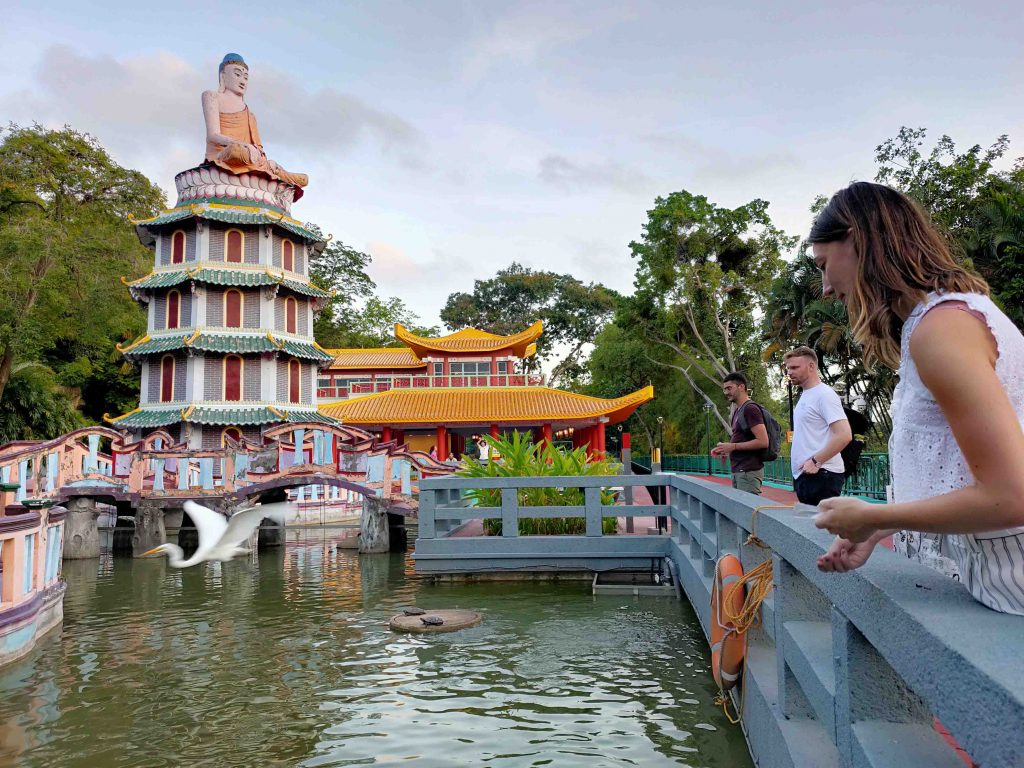
The centerpiece is the "Ten Courts of Hell," a walkthrough exhibit that vividly (and often gorily) illustrates the punishments for various sins in the afterlife. It’s weird, campy, and slightly terrifying, but it offers a fascinating look into traditional Chinese values and mythology that you won’t find in the more "sanitized" tourist zones. Best of all? Entrance to the main park is free.
5. Heritage and Shophouses in Joo Chiat and Katong
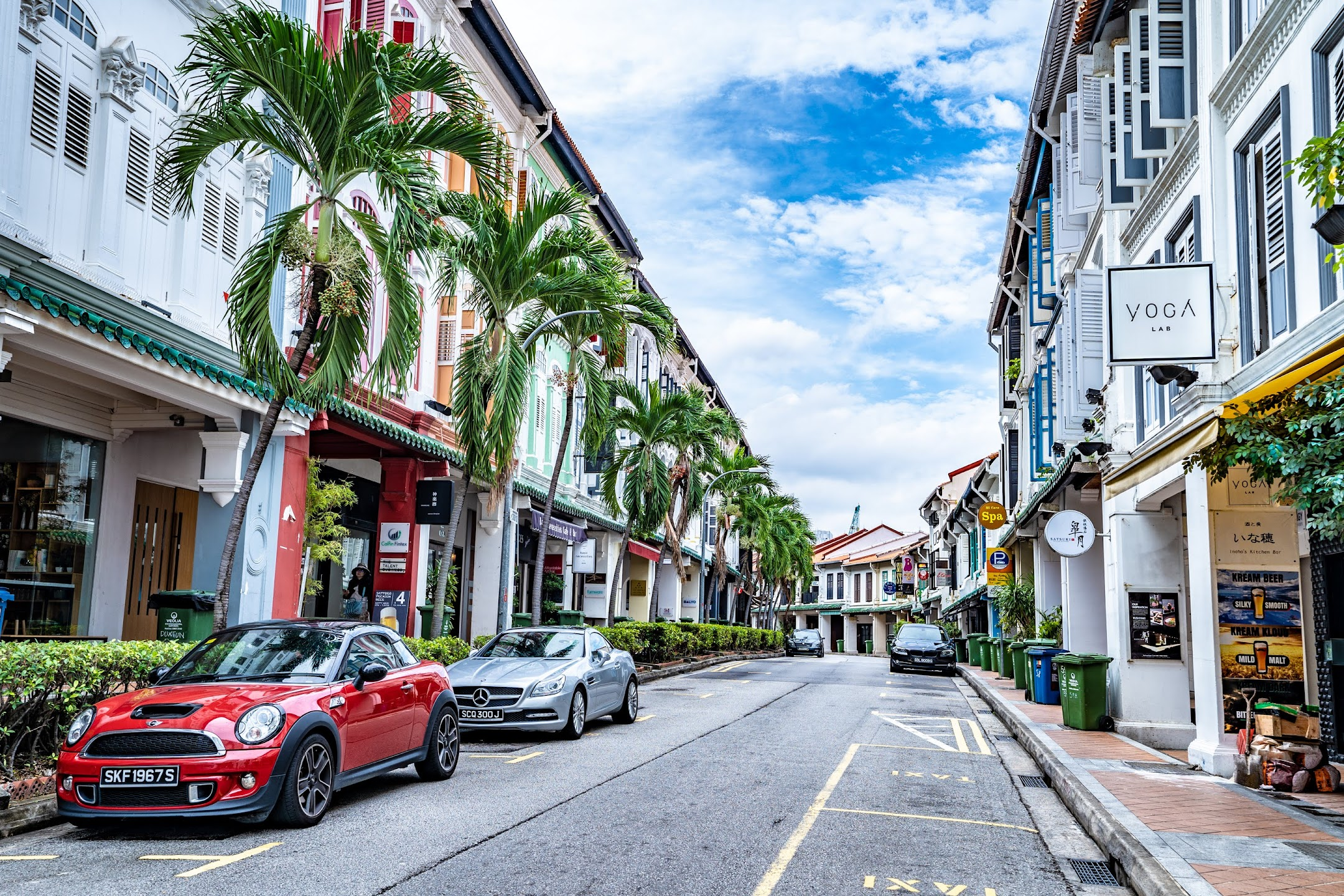
While Chinatown and Little India get all the tourist traffic, the East Coast neighborhoods of Joo Chiat and Katong are the heart of Peranakan culture. The Peranakans are descendants of early Chinese migrants who settled in the Malay Archipelago, creating a unique hybrid culture that is reflected in the food and architecture.
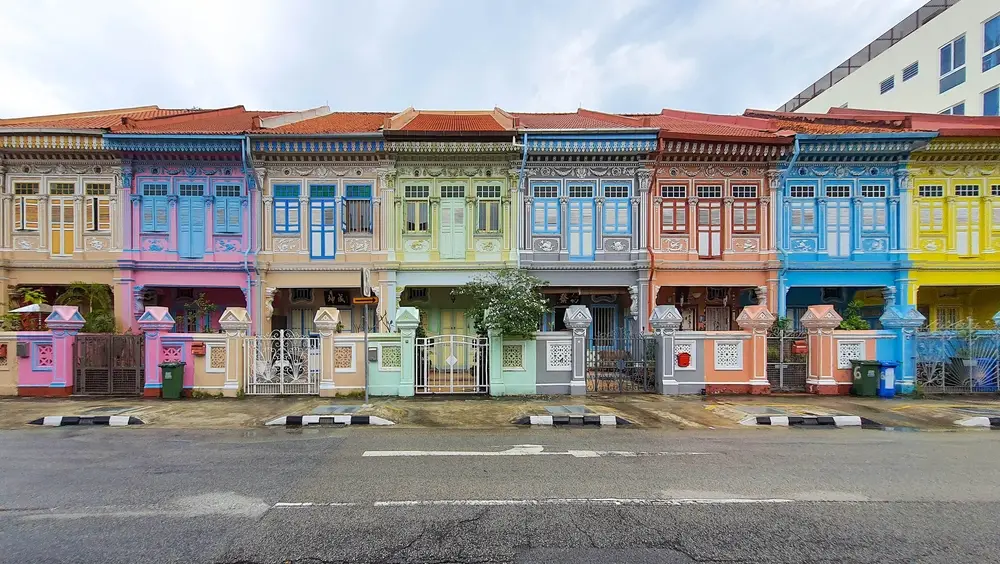
Walking down Joo Chiat Road is like walking through a box of macarons—the shophouses are painted in brilliant pastels and decorated with intricate ceramic tiles. To truly experience the area, you must try the local food. The "Laksa Wars" here are legendary, with multiple stalls claiming to be the original "Katong Laksa." Grab a bowl at 328 Katong Laksa —just remember, true Katong laksa is eaten only with a spoon, as the noodles are cut short.
6. The "Hidden" Reservoir: Keppel Hill
If you’re the kind of traveler who likes finding places that aren't on the official maps, Keppel Hill Reservoir is your target. This small, abandoned reservoir dates back to 1905 but was largely forgotten for over 60 years until it was "rediscovered" in 2014.
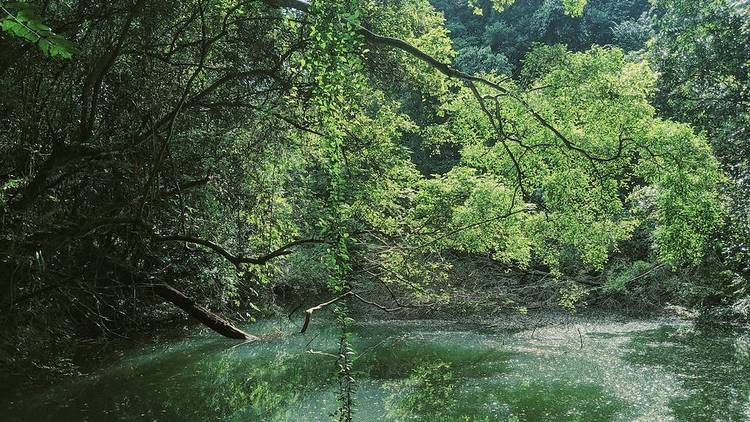
The trek to find it involves a bit of light "jungle bashing" near Mount Faber. There are no paved paths or signs, just a faint trail through the trees that leads to a still, emerald-green pool surrounded by colonial-era brickwork. It’s a quiet, eerie, and beautiful spot that feels like a secret you’re not supposed to know.
7. Modern Revivals: New Bahru
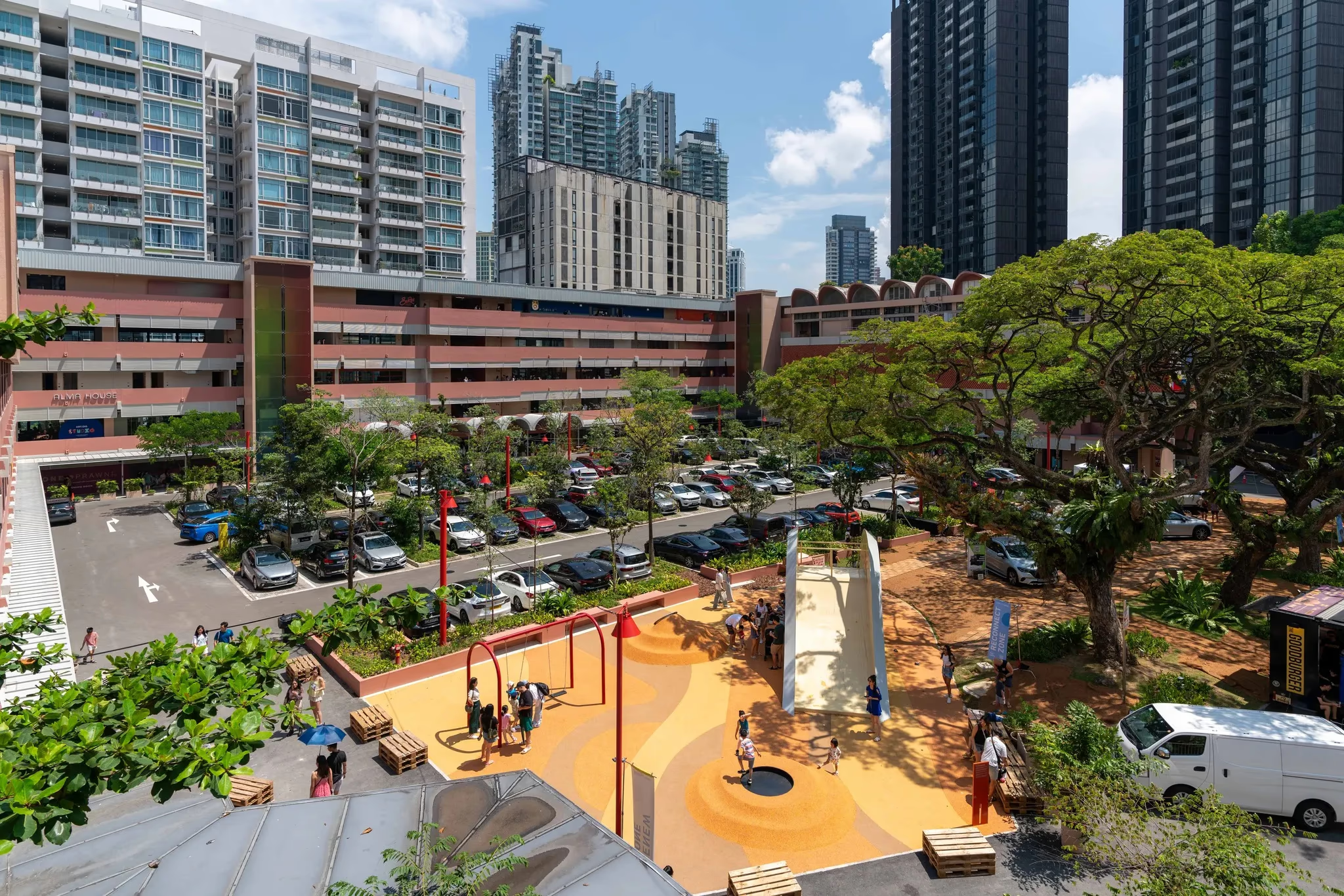
For a taste of Singapore’s newest creative pulse, visit New Bahru . Opened in 2024, this "creative cluster" is housed in a repurposed secondary school building. Instead of the usual international luxury brands, you’ll find homegrown Singaporean labels, independent craft workshops, and some of the city’s most exciting new restaurants. It’s a great example of how Singapore is moving away from generic malls and toward more soulful, community-driven spaces.
Practical Tips for the "Real" Singapore
Getting Around: Don't bother with expensive tourist buses. Singapore’s MRT (subway) and bus system are world-class and incredibly cheap. You can use your contactless credit card or phone (Apple Pay/Google Pay) to tap in and out of all public transport—no need to buy a separate card.
Staying Connected: Finding your way to hidden spots like Keppel Hill or the deep end of the Rail Corridor requires reliable GPS. While Singapore has plenty of public Wi-Fi, it’s much easier to stay online with a local data plan. You can get an eSIM for Singapore before you even land, allowing you to navigate the city's bus routes and trails the moment you clear customs.
The Weather Strategy: The biggest hurdle to exploring the "local" side of Singapore is the heat and humidity. Locals don't hike at noon; they do it at 7:00 AM or after 5:30 PM. Follow their lead. If you find yourself caught in a mid-afternoon tropical downpour, duck into a neighborhood library or a "void deck" (the open ground floors of public housing blocks) and watch the rain—it's a quintessentially Singaporean experience.
Food Etiquette: If you see a tissue packet on a table at a crowded hawker center, that seat is taken. This is called "choping," and it’s a sacred local rule. Respect the tissue packet, find another table, and prepare to have some of the best meals of your life for under $6.
Singapore isn't boring; it's just efficient at hiding its soul behind a very polished curtain. Once you step behind that curtain, you’ll realize that even a week isn’t enough to see it all.