
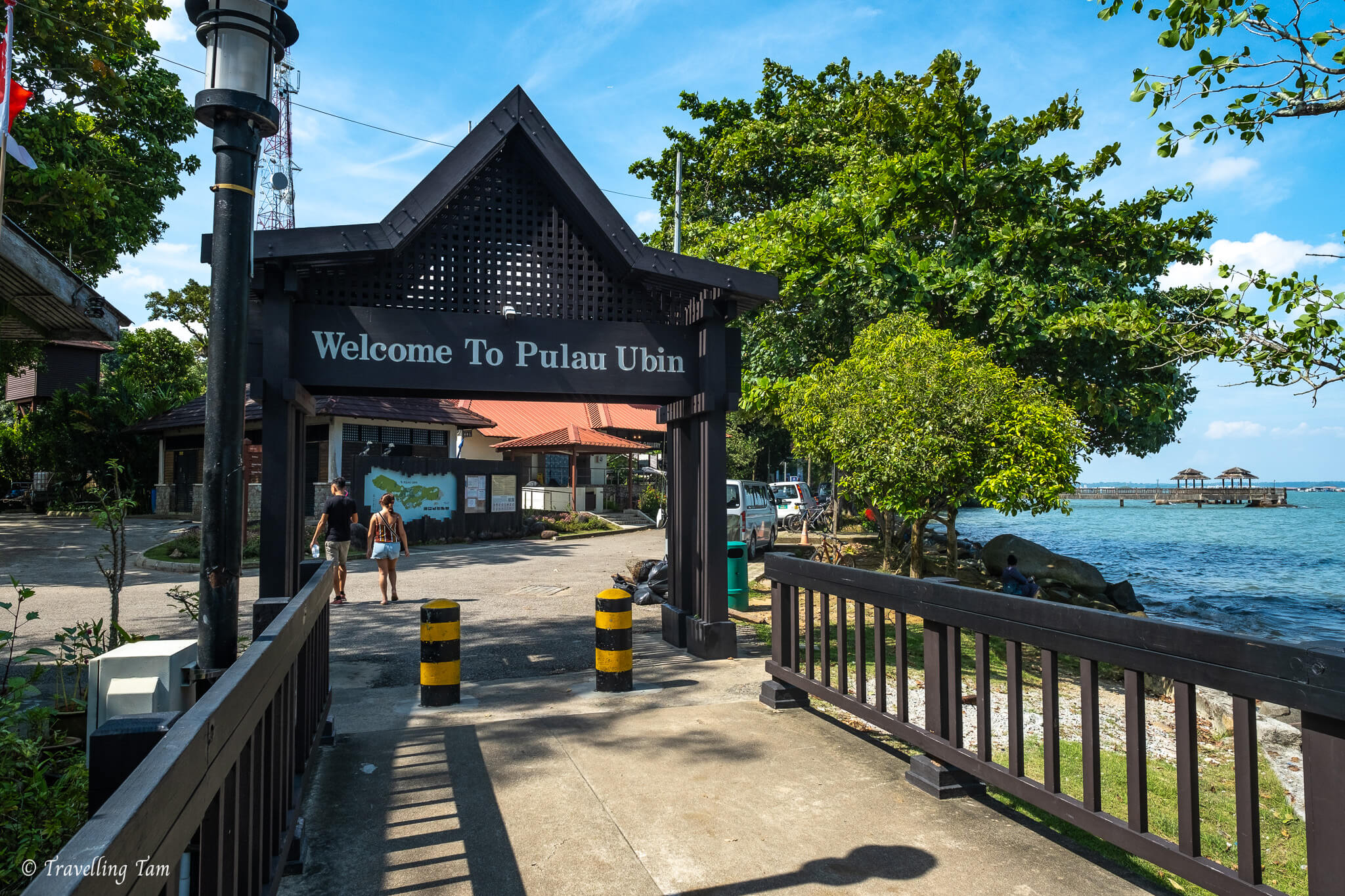
Pulau Ubin: A Journey to Singapore’s Last Frontier
Step back into the 1960s at Pulau Ubin, Singapore's last rural village. Discover the island's rich granite history, diverse wildlife, and the practical tips you need for a perfect day trip.
If you’ve ever looked out the window of a plane descending into Singapore’s Changi Airport, you’ve likely seen a lush, boomerang-shaped island sitting just off the coast in the Johor Strait. While the mainland below is a masterpiece of glass, steel, and meticulously manicured gardens, this island looks different. It’s wilder, greener, and seemingly untouched by the frantic pace of the 21st century.
This is Pulau Ubin.
For frequent flyers who have exhausted the charms of Jewel Changi or the shopping belts of Orchard Road, Pulau Ubin offers a rare commodity: a time machine. It is the site of Singapore’s last "kampong" (village), a place where the roads are made of gravel, the houses are built of wood and zinc, and the only "traffic" you’ll encounter is a monitor lizard crossing the path or a group of cyclists navigating a muddy trail.
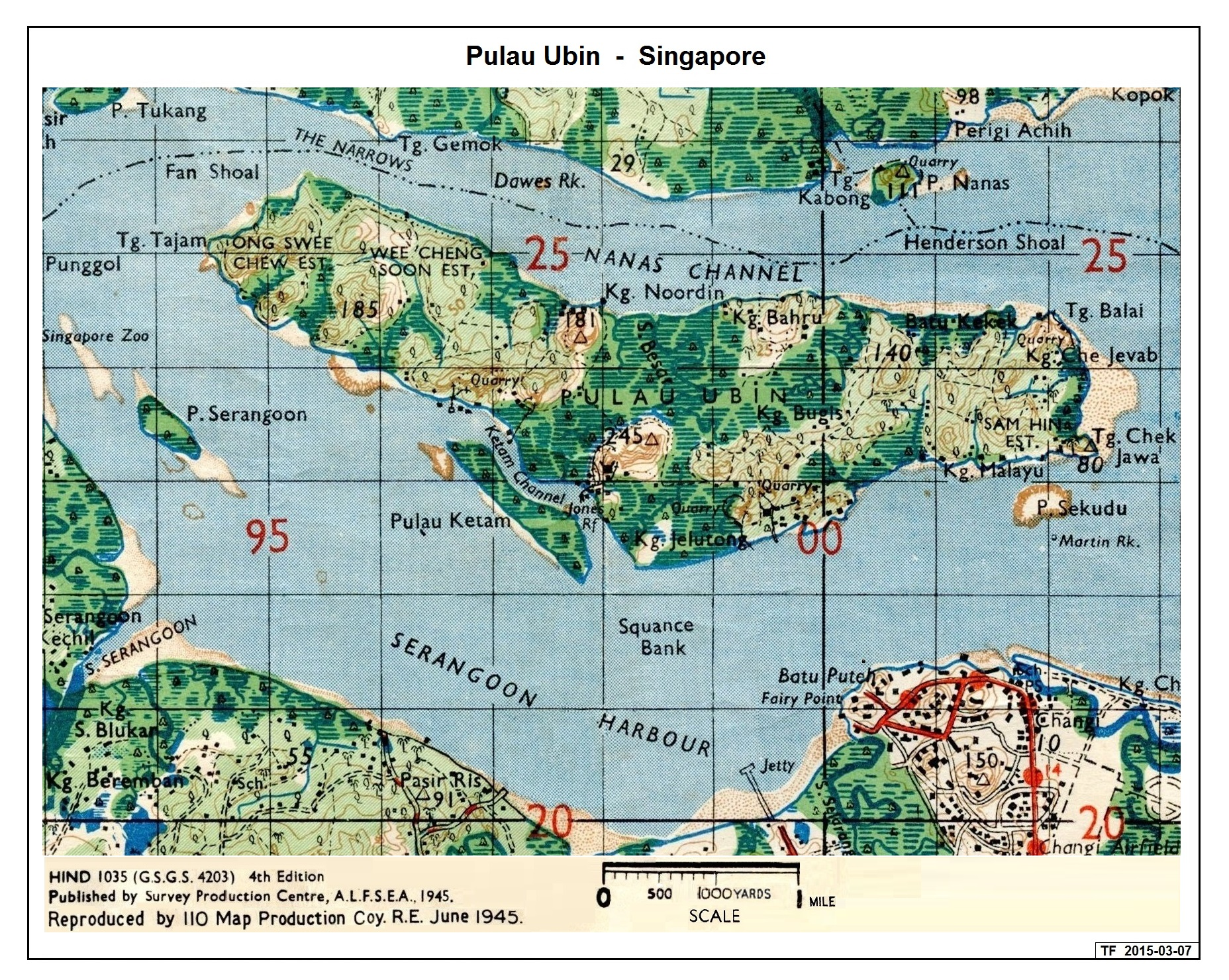
The Granite Foundation: A History of "Stone Island"
The story of Pulau Ubin is literally written in stone. The island’s name is derived from the Malay word Pulo Obin, which means "Granite Island." Specifically, Ubin refers to the square floor tiles that were once made from the island's granite.
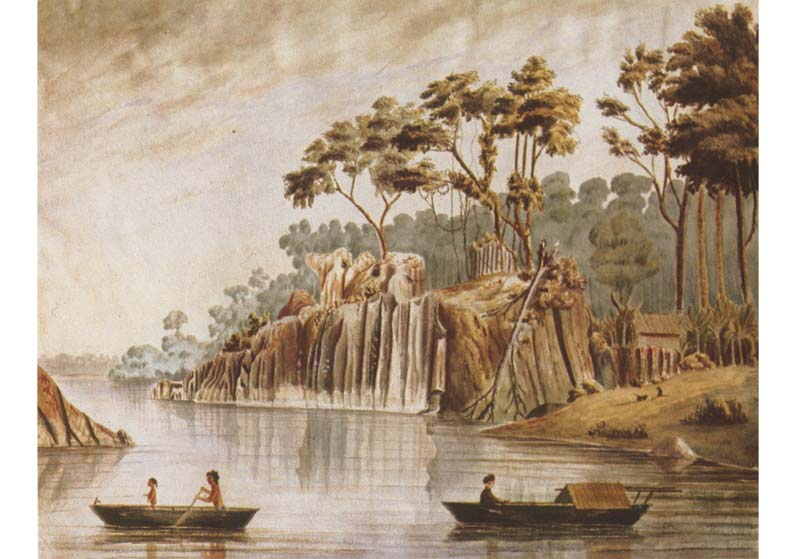
Long before it was a weekend retreat for nature lovers, Pulau Ubin was a hive of industrial activity. In the early 1800s, the island was home to a small community of woodcutters. However, everything changed on August 4, 1825, when John Crawfurd, the Second Resident of Singapore, led an expedition to take formal possession of the island for the British Empire.
By the mid-19th century, Pulau Ubin had become the primary source of granite for Singapore’s rapid expansion. The island’s high-quality stone was used to build some of the region’s most iconic landmarks, including:
- Horsburgh Lighthouse (1851): Located on the rocky outcrop of Pedra Branca.
- The Singapore-Johor Causeway (1923): The vital link between Singapore and Malaysia.
- The Istana (1869): The official residence and office of the President of Singapore.
In its industrial heyday during the 1950s and 60s, the island was a bustling hub with a population of over 2,000 residents. Thousands of workers and their families lived in thriving kampongs, supported by schools, community centers, and even a maternity clinic.
The Great Evolution: From Industry to Sanctuary
As the 1970s progressed, the granite industry began to decline. One by one, the quarries reached depths below sea level and became unworkable. The last operational site, the Aik Hwa Granite Quarry, finally closed its doors in 1999.
As the industry died, so did the island's population. Young people moved to the mainland in search of modern comforts—piped water, reliable electricity, and high-paying jobs in Singapore’s growing financial sector. The island that once housed thousands was slowly reclaimed by the jungle.
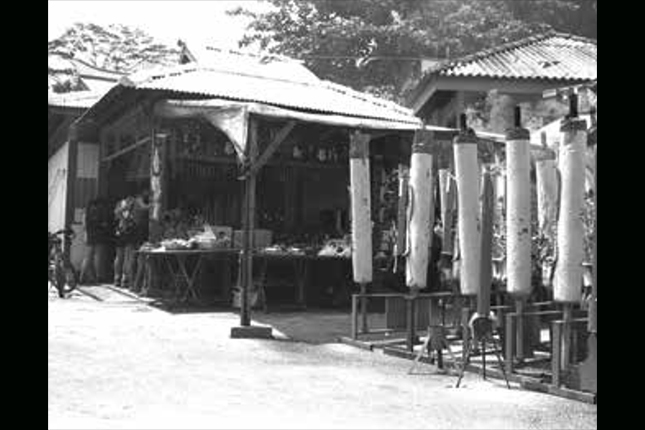
However, this "abandonment" turned out to be the island's greatest gift. The deep, jagged scars left by the quarries filled with rainwater, transforming into stunning, deep-blue lakes. The secondary forests matured, and wildlife that had been pushed out of the mainland found a safe haven here.
The biggest turning point for the island came in 2001. The Singapore government had originally planned to reclaim the eastern part of the island—specifically the Chek Jawa Wetlands—for military and industrial use. However, a massive groundswell of public support and a detailed biodiversity survey by volunteers revealed that the area was home to six distinct ecosystems, including rare seagrass lagoons and rocky shores. In a rare move, the government deferred the reclamation plans indefinitely, effectively saving Pulau Ubin as a nature sanctuary.
Pulau Ubin Today: The Living Museum
Today, Pulau Ubin is managed by the National Parks Board (NParks) and serves as a "living museum." It is one of the few places where you can experience the Kampong Spirit—a sense of communal trust and slow-paced living that has largely vanished from the mainland.
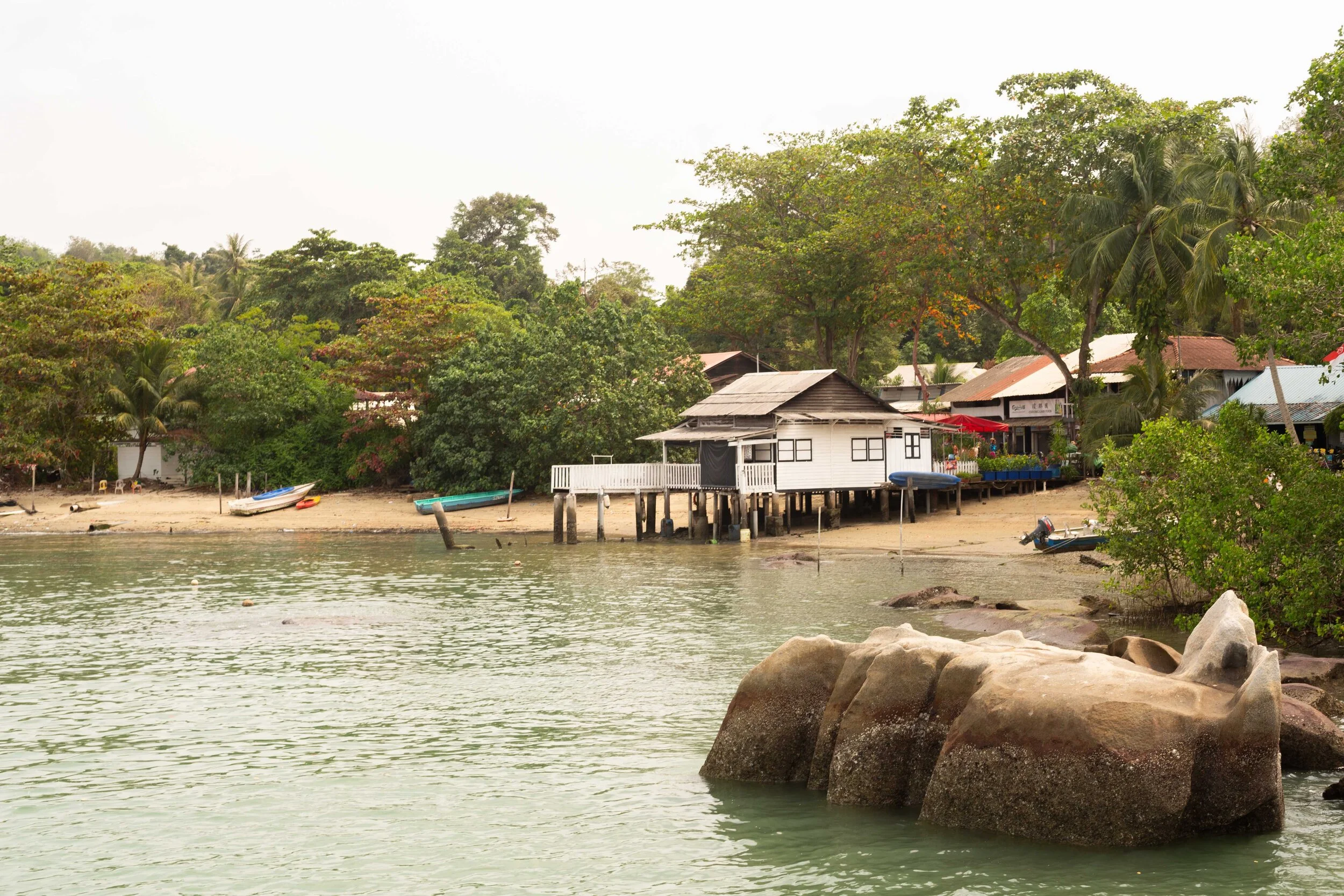
The current population of Pulau Ubin is estimated to be fewer than 40 residents, most of whom are elderly. They live in traditional wooden houses, often relying on wells for water and solar panels or diesel generators for electricity. For these residents, life on the "outside world" (the mainland) feels unnatural. They prefer the company of the island’s hornbills, wild boars, and the occasional feisty macaque.
For the visitor, the heart of the island is Ubin Town . Located right at the jetty, this small cluster of buildings houses a few rustic seafood restaurants, provision shops, and a dozen bicycle rental stalls. It’s the starting point for every adventure on the island.
What to See and Do
1. Chek Jawa Wetlands
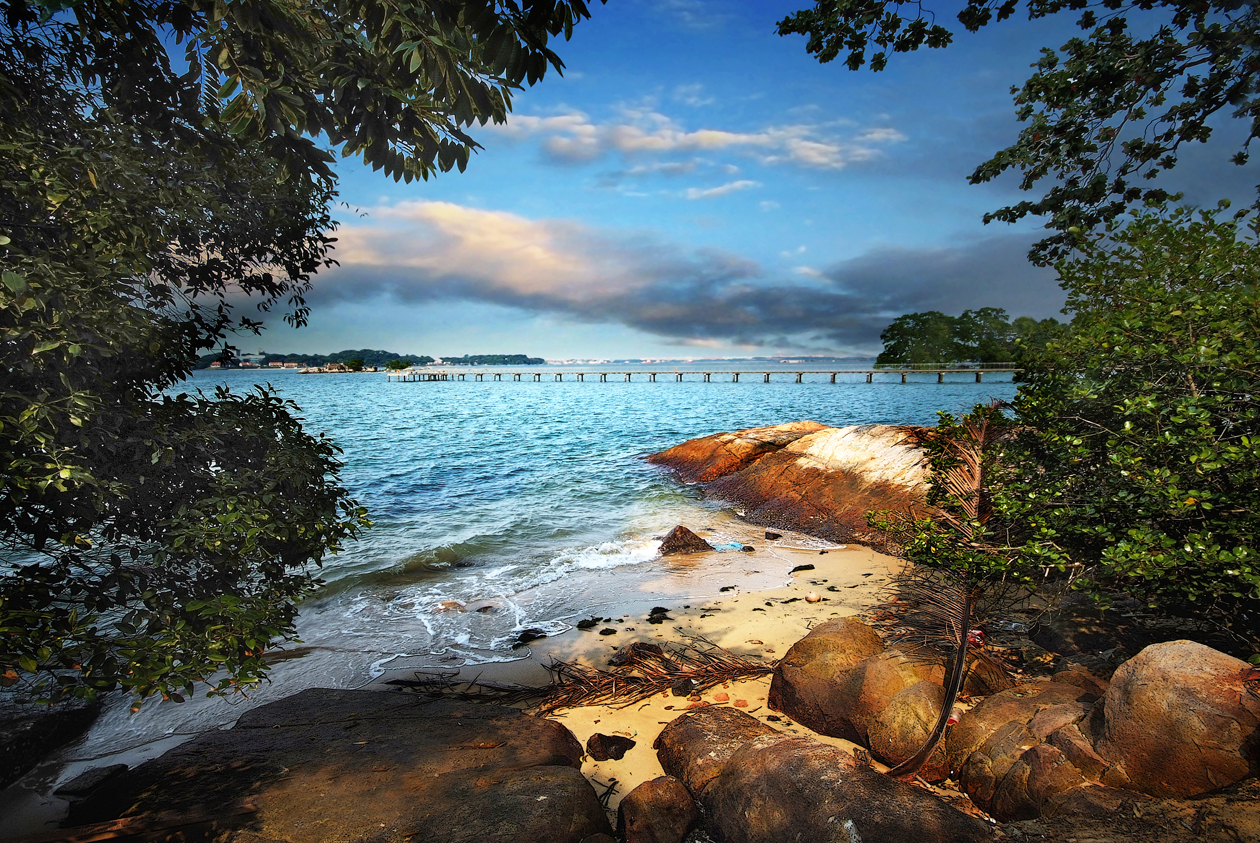
Located at the eastern tip of the island, this is Pulau Ubin’s crown jewel. You can explore a 1.1-kilometer boardwalk that takes you through mangroves and over the coastal waters. Be sure to climb the 21-meter-high Jejawi Tower for a panoramic view of the forest canopy and the surrounding sea.
2. Puaka Hill
For the best view on the island, take the short but steep hike up Puaka Hill. At the summit, you’ll be rewarded with a breathtaking overlook of the Ubin Quarry, where the turquoise water contrasts sharply with the sheer granite cliffs.
3. Cycling the Trails
Cycling is the quintessential Ubin experience. You can rent a basic mountain bike for around $10 to $20 SGD for the day. The island features everything from flat, paved roads to the Ketam Mountain Bike Park, which offers technical trails for experienced riders.
4. Sensory Trail
If you want to learn about the island’s agricultural past, the Sensory Trail takes you through gardens filled with fruit trees (like durian and jackfruit) and medicinal plants that the villagers have used for generations.
Practical Logistics: How to Visit
Visiting Pulau Ubin is remarkably easy, but it requires a bit of old-school preparation.
Getting There: Everything starts at the Changi Point Ferry Terminal . Do not confuse this with the Changi Ferry Terminal (which goes to Malaysia).
- The Bumboat: These are small, wooden boats that carry 12 passengers. There is no fixed schedule; the boat leaves when it’s full.
- Cost: The fare is currently $4.00 SGD per person each way. If you are bringing your own bicycle, there is an additional $2.00 surcharge.
- Payment: Cash only. The boatman will collect the fare once everyone is on board.
- Hours: Boats generally run from 6:00 AM to 7:00 PM.
Traveler Tips:
- Cash is King: There are no ATMs on the island. Bring enough cash for the ferry, bike rentals, and a seafood lunch.
- Bug Spray: The mosquitoes on Ubin are legendary. Apply repellent liberally and bring extra.
- Connectivity: While the island is small, you’ll want data to check tide times for Chek Jawa or to navigate the winding trails. Since local Wi-Fi is non-existent, picking up a Singapore eSIM is the most reliable way to stay connected while exploring the jungle.
- Respect the Wildlife: You will almost certainly see wild boars and macaques. Do not feed them, and keep your food bags zipped up tight—the monkeys are expert pickpockets.
Why It Matters
In a city that is constantly reinventing itself, Pulau Ubin remains stubbornly, beautifully the same. It serves as a reminder of Singapore’s humble beginnings as a collection of fishing villages and stone quarries. For the traveler, it’s a chance to breathe, to slow down, and to see a side of the "Lion City" that doesn't appear in the tourism brochures.
Whether you're on a long layover at Changi or spending a week in the city, the 15-minute bumboat ride to Ubin is the best $4 you will ever spend. Just remember to leave nothing but footprints and take nothing but photos—because once this last kampong is gone, there won't be another one like it.