
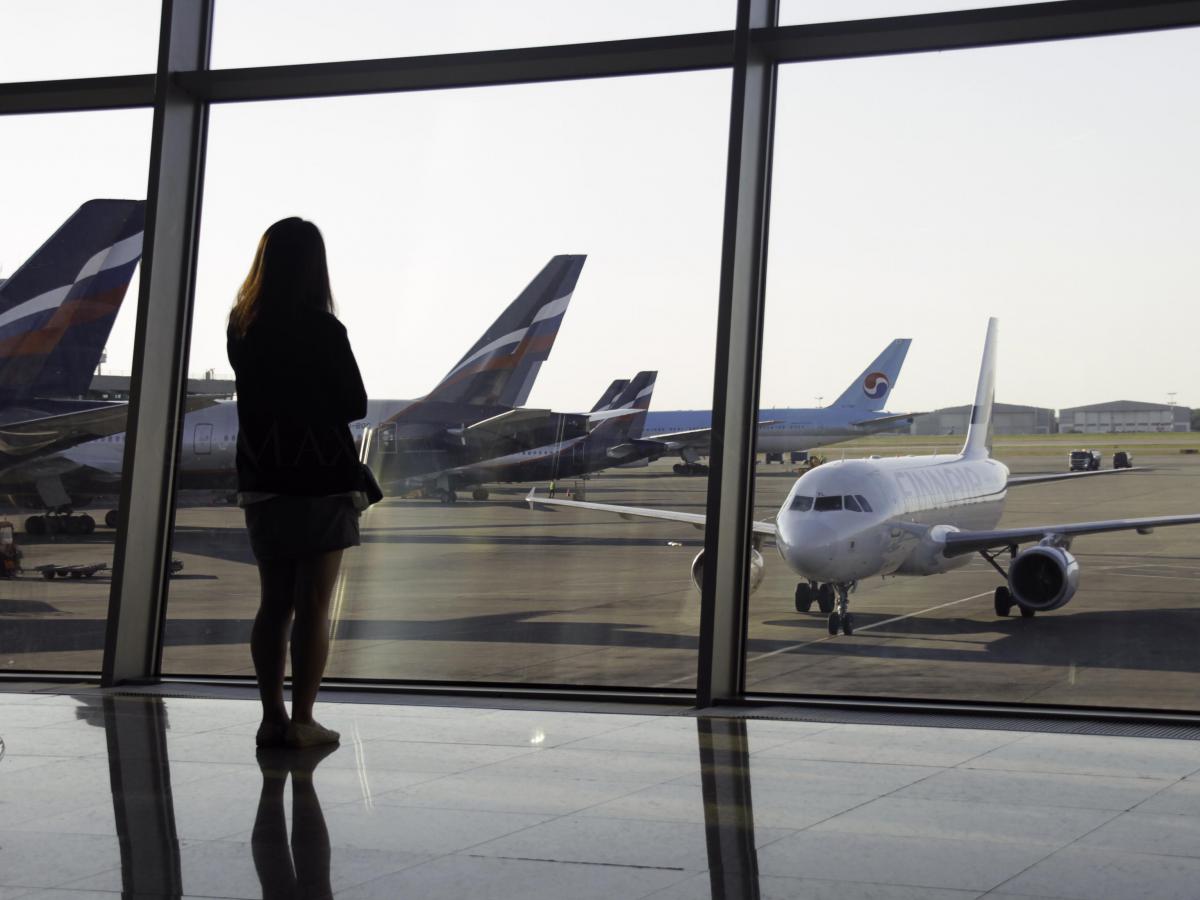
AirHelp: Your Secret Weapon for Middle East Flight Delays?
With ongoing tensions and airspace changes, Middle East flights are more prone to delays – see how AirHelp can get you compensation.
AirHelp: Your Secret Weapon for Middle East Flight Delays?
Remember when that container ship blocked the Suez Canal? Imagine that, but amplified across the skies. Ongoing tensions in the Middle East have led to airspace closures and rerouting, turning even routine flights into potential delay nightmares. But before you resign yourself to airport purgatory, know this: you might be entitled to compensation, and AirHelp can be your champion.
Why Middle East Flights Are Extra Risky Right Now
Let's be real, flying is stressful enough. Now add geopolitical instability into the mix? No thanks. Several factors are contributing to increased delays for flights in and out of the Middle East:
- Airspace closures: Conflicts and security concerns can lead to sudden airspace restrictions, forcing airlines to take longer, less efficient routes. This adds flight time and fuel costs, often resulting in delays.
- Increased rerouting: Even without full closures, airlines might proactively avoid certain areas, leading to circuitous routes and longer flight times.
- Knock-on effects: A delay on one flight can ripple through an airline's entire schedule, impacting subsequent flights and crew availability.
I recently flew from Dubai (DXB) to London (LHR) and experienced a two-hour delay due to "air traffic control issues." While seemingly minor, it was enough to make me miss my connecting train and scramble to rebook. These disruptions are becoming increasingly common.
Is Your Delay Compensation-Worthy?
Here's the good news: depending on the length and cause of the delay, and the origin/destination of your flight, you might be entitled to compensation under EU Regulation 261 (EC 261) or similar regulations. This applies to flights departing from an EU airport, or flights arriving in the EU on an EU-based airline. The UK has its own version of this regulation.
Here's a quick breakdown:
- Delay of 3+ hours: For flights within the EU, or international flights arriving in the EU, a delay of at least three hours could make you eligible for compensation.
- Cause of the delay: The delay must be due to something within the airline's control, such as technical problems or staffing issues. "Extraordinary circumstances," like severe weather or political instability, usually exempt the airline from paying compensation. This is where it gets tricky.
- Flight distance: The amount of compensation you can claim depends on the distance of your flight.
The Counterintuitive Tip: Even if the airline claims "extraordinary circumstances," don't automatically give up! Airlines sometimes use this as a blanket excuse to avoid paying out. It's worth investigating further to see if the delay was truly unavoidable.
How AirHelp Can Fight for You
This is where AirHelp comes in. They're a company that specializes in helping passengers claim flight compensation. Here's why they can be your secret weapon:
- Expert knowledge: AirHelp knows the ins and outs of EC 261 and other passenger rights regulations. They can assess your claim's validity quickly and accurately.
- Legal muscle: Dealing with airlines can be frustrating and time-consuming. AirHelp handles all the communication and legal processes on your behalf, leveling the playing field.
- No win, no fee: AirHelp only charges a fee if they successfully secure compensation for you. This means there's no financial risk in pursuing a claim.
I've personally used AirHelp in the past for a delayed flight from Amsterdam (AMS) to New York (JFK). The airline initially rejected my claim, citing bad weather. AirHelp investigated, found that the weather wasn't the direct cause of the delay (it was a knock-on effect from earlier issues), and successfully secured me compensation. The process was surprisingly easy.
Navigating Middle East Flight Disruptions: Proactive Steps
While AirHelp can help you after a delay, there are steps you can take to minimize disruptions in the first place:
- Track your flight: Use a real-time flight tracker like PingWing (naturally!) to monitor your flight's status and receive timely updates about delays or changes.
- Choose your flights wisely: If possible, opt for flights that depart earlier in the day. These are less likely to be affected by cascading delays.
- Allow ample layover time: When booking connecting flights, build in extra time between flights to cushion against potential delays.
- Purchase travel insurance: Comprehensive travel insurance can cover expenses like missed connections, accommodation, and meals in case of significant delays. Consider adding travel insurance to your pre-flight checklist.
- Consider an eSIM: If you're delayed, you'll want to stay connected. Instead of relying on expensive roaming charges, get an eSIM for your destination. If you're flying to Dubai, for example, grab a United Arab Emirates eSIM before you go.
Don't Just Complain, Claim!
Flight delays are infuriating, especially when they're caused by factors beyond your control. While you can't single-handedly solve geopolitical tensions, you can take action to protect your rights as a passenger. Don't let airlines get away with unfair delays. With AirHelp in your corner, you can fight for the compensation you deserve and turn a travel headache into a small victory. Download PingWing to keep track of your flights, and remember: knowledge is power when navigating today's turbulent skies.