
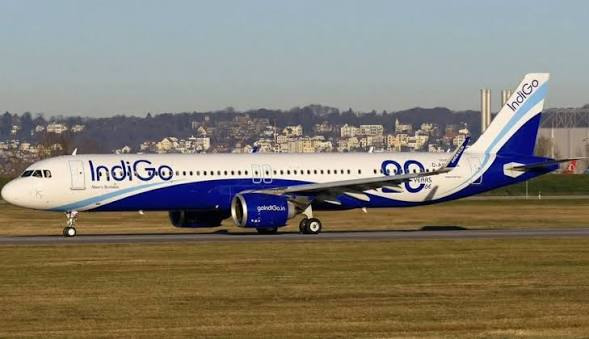
20 Years of the 6E Code: How IndiGo Redefined the Indian Sky
Celebrating two decades of IndiGo, we look at how a single-class budget carrier became a global aviation titan and share essential tips for your next 6E flight.
On August 4, 2006, a new airline with a simple blue-and-white livery took off from New Delhi, bound for Imphal via Guwahati. At the time, the Indian aviation market was a volatile mix of aging legacy carriers and ambitious newcomers like Kingfisher Airlines, which promised luxury in the skies. Fast forward to August 4, 2026, and the landscape has been utterly transformed.
Today marks the 20th anniversary of IndiGo. What started with a single aircraft and a promise of "on-time, hassle-free" service has grown into one of the world’s largest aviation success stories. For the frequent flyer in India, IndiGo—operating under the IATA code "6E"—isn't just an airline; it is the default mode of transport.
As we celebrate two decades of the 6E code, we’re looking at how this low-cost carrier (LCC) managed to dominate the world's fastest-growing aviation market and, more importantly, what you need to know to make the most of the "IndiGo experience" today.
The IndiGo Effect: Reliability as a Luxury
In the mid-2000s, flying in India was often synonymous with delays and unpredictability. IndiGo’s entry changed the narrative. By focusing on a single aircraft type (the Airbus A320) to keep maintenance costs low and implementing a "point-to-point" network, they turned reliability into their primary product.
For the 25-45 demographic—travelers who value their time as much as their money—IndiGo’s relentless focus on On-Time Performance (OTP) became a game-changer. They didn't offer hot meals or plush carpets; they offered the high probability that you would actually land when the ticket said you would.
Over the last 20 years, they have expanded from a domestic disruptor to a regional titan. With nearly 500 aircraft now in their fleet (including the long-range A321XLRs and the wide-body A350s that recently joined the ranks), IndiGo has bridged the gap between India’s Tier-3 cities and global hubs like Istanbul, Singapore, and Dubai.
The Evolution of the 6E Experience
If you haven't flown IndiGo in a few years, the experience has evolved significantly from the "strictly budget" days. While the core philosophy remains low-cost, the airline has introduced layers of service to cater to the modern business traveler and the "flashpacker."
IndiGo Stretch: A New Era
One of the most significant shifts in the last two years has been the introduction of "IndiGo Stretch." For nearly 18 years, the airline operated a single-class cabin. However, as of late 2024 and into 2026, IndiGo has rolled out a business-class product on its busiest metro routes, such as Delhi-Mumbai and Bengaluru-Delhi.
IndiGo Stretch offers a 2-2 seating configuration with extra legroom and cushioned seats, moving away from the standard 3-3 LCC layout. It’s a strategic move to capture the corporate traveler who wants the frequency of IndiGo’s schedule but the comfort of a premium cabin.
Long-Haul Ambitions
The arrival of the Airbus A350-900 marked a historic pivot for the airline. No longer confined to 6-hour narrow-body flights, IndiGo is now a player in the long-haul market. If you are booking a flight from India to Western Europe or Australia, you might find a 6E flight number on a wide-body jet. This expansion has made staying connected more important than ever. If you’re heading out on one of their expanding international routes to places like Thailand or the UAE, remember that roaming charges can bite harder than a middle-seat squeeze. Grabbing an India eSIM before you land (or for your return journey) is the smartest way to stay connected without the shock of a massive phone bill.
Pro-Tips for Navigating IndiGo in 2026
Despite the growth, IndiGo remains an LCC at heart, which means there are rules to follow if you want to avoid extra fees and travel smoothly.
1. The 15kg Rule is Absolute
IndiGo is famously strict about its domestic baggage allowance. For most domestic fares, you are limited to 15kg of checked luggage. In 2026, with the airline’s automated baggage drop counters at major airports like T3 in Delhi or the integrated terminal at Kempegowda International Airport, there is very little room for negotiation. Weigh your bags at home. If you’re over, pre-book your extra weight online; it’s significantly cheaper than paying at the counter.
2. Master the "6E Prime" and "Add-ons"
If you value comfort, the "6E Prime" add-on is usually worth the investment. It typically bundles a seat selection (including those coveted XL exit-row seats), a "Fast Forward" service for check-in and baggage, and a snack.
- The XL Seat: On the A320 and A321, the exit row seats (Rows 12 and 13 on many configurations) offer significant legroom. For a traveler over 6 feet tall, this is not a luxury—it’s a necessity.
3. Food: Pre-book or Go Hungry
IndiGo does not serve free meals. While they do have a "buy-on-board" menu (6E Eats), the best options—like their signature sandwiches or regional hot meals—often sell out or are only available for those who pre-booked. If you’re flying a long-haul route on the A350, the meal service is more substantial, but for domestic hops, the "Magic Cup" noodles remain a cult favorite for a reason.
4. Use the App for Everything
IndiGo’s digital infrastructure is among the best in the industry. From WhatsApp notifications about gate changes to the "6E Rewards" portal, the app is your best friend. In 2026, many Indian airports have moved toward "biometric-only" entry for domestic travelers (DigiYatra). Ensure your IndiGo booking is linked to your DigiYatra profile to breeze through security.
Where to Stay for Early Morning 6E Flights
IndiGo’s schedule is famous for its "early bird" specials—flights that depart at 5:00 AM or 6:00 AM to ensure the aircraft is utilized for the maximum number of hours in a day. If you have a dawn departure from Delhi, staying in the Aerocity hospitality district is the smartest move. It’s five minutes from the terminal and saves you the stress of a midnight cross-city trek.
The "Hassle" of the "Hassle-Free"
It wouldn't be an honest review without mentioning the frustrations. As IndiGo has grown to control over 60% of the Indian domestic market, travelers have noted a shift. The "hassle-free" experience can sometimes feel a bit mechanical.
- Boarding Music: You will hear the same upbeat "IndiGo theme" on every flight. It’s iconic to some, but to frequent flyers, it’s a 5:00 AM earworm.
- Bus Gates: Because IndiGo operates so many flights, you will frequently find yourself on a tarmac bus rather than an aerobridge, even at major airports. Be prepared for a bit of a walk or a bus ride in the heat.
The Next 20 Years: What’s Next?
As IndiGo enters its third decade, the focus is clearly on global expansion. With the A321XLR, we expect to see more direct flights to cities like Rome, Seoul, and perhaps even London. The airline is transitioning from being "India’s domestic airline" to "India’s global carrier."
For the traveler, this means more competition for legacy airlines and more direct routes for us. While they may have added business class and wide-body planes, the core of IndiGo remains the same: a lean, mean, flying machine that has made India one of the most mobile nations on earth.
Whether you love them for their punctuality or tolerate them because they are the only ones flying to your hometown, there is no denying that the last 20 years of Indian aviation belong to the blue and white. Happy 20th, IndiGo. Here’s to 20 more years of being on time.
Planning a trip across India or beyond with IndiGo? Make sure you’re covered for any hiccups. From flight delays to medical emergencies, having solid Travel Insurance ensures that your "hassle-free" journey stays that way, no matter what happens on the tarmac.