
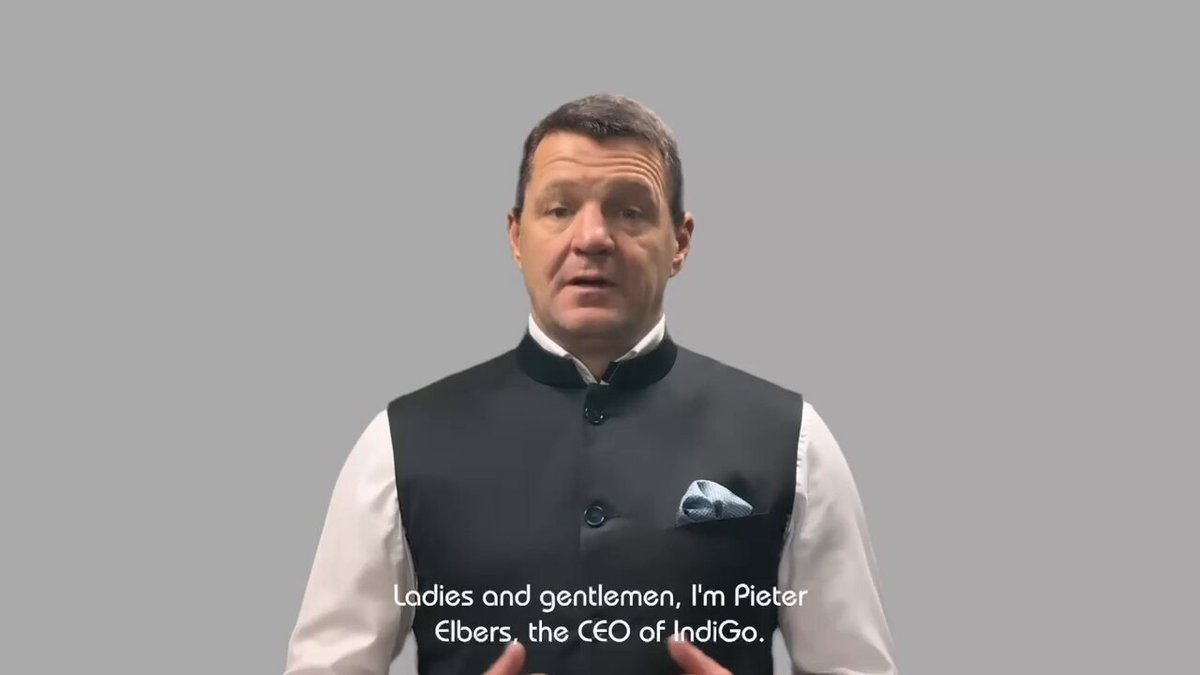
The End of an Era: Pieter Elbers Steps Down as IndiGo CEO
Pieter Elbers has resigned as CEO of IndiGo following a transformative but turbulent tenure. We break down what his exit means for the future of India's largest airline and your next flight.
In a move that has sent shockwaves through the aviation industry, Pieter Elbers has officially stepped down as the CEO of IndiGo (InterGlobe Aviation Ltd). The announcement, made via a regulatory filing on March 10, 2026, cited "personal reasons" for his immediate departure.
For the millions of travelers who rely on IndiGo’s blue-and-white fleet to crisscross India and the globe, this isn't just a corporate reshuffle. It marks the end of a pivotal chapter where a "low-cost carrier" began dreaming of becoming a global titan. With Rahul Bhatia, the airline’s Managing Director and co-founder, taking interim charge, the industry is left wondering: what happens to the widebody jets, the new business class, and the "on-time" reputation that defined the Elbers era?
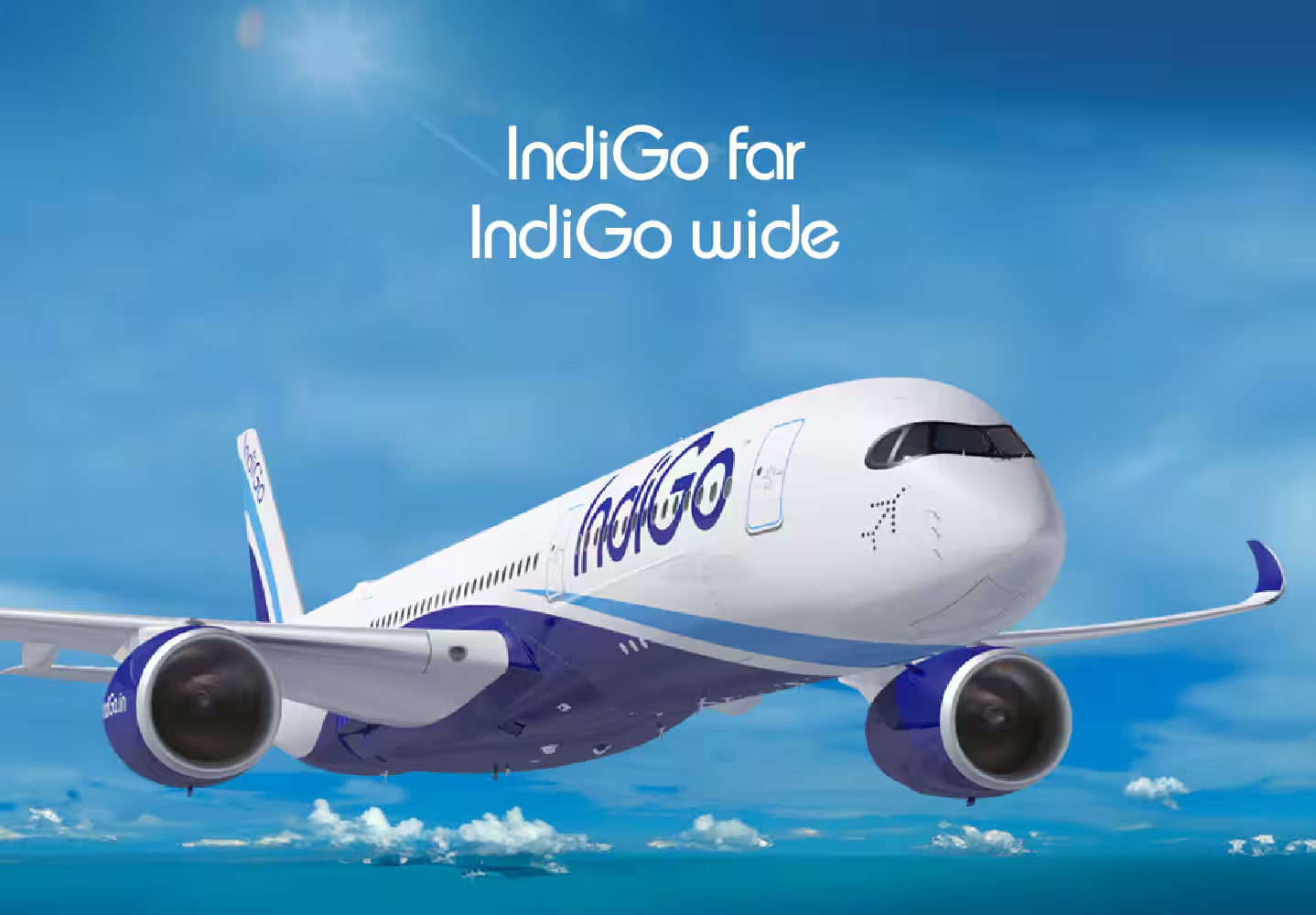
The Dutch Captain’s Log: 2022 to 2026
When Pieter Elbers joined IndiGo in September 2022, he didn't just bring his luggage from KLM; he brought a blueprint for "Internationalisation." Before Elbers, IndiGo was the undisputed king of the Indian domestic skies—a lean, mean, flying machine that specialized in getting you from Point A to Point B with no frills and high frequency.
Under Elbers, that focus shifted outward. He frequently spoke about "Globalizing IndiGo," and the numbers back up his ambition. By early 2026, IndiGo’s network had swelled to 141 destinations, including a massive push into Central Asia, Africa, and Southeast Asia. If you’ve recently found yourself on an IndiGo flight to Tashkent, Baku, or Nairobi, you’ve experienced the Elbers strategy firsthand.
His tenure was defined by a series of "biggest-ever" moments:
- The 500-Plane Order: In June 2023, Elbers oversaw a record-breaking order for 500 Airbus A320 family aircraft, ensuring IndiGo’s dominance for the next decade.
- Revenue Milestones: Under his leadership, the airline crossed the $10 billion revenue mark, a testament to its scale.
- Fleet Growth: The fleet grew to approximately 440 aircraft by the time of his resignation, maintaining one of the youngest and most efficient stables in Asia.
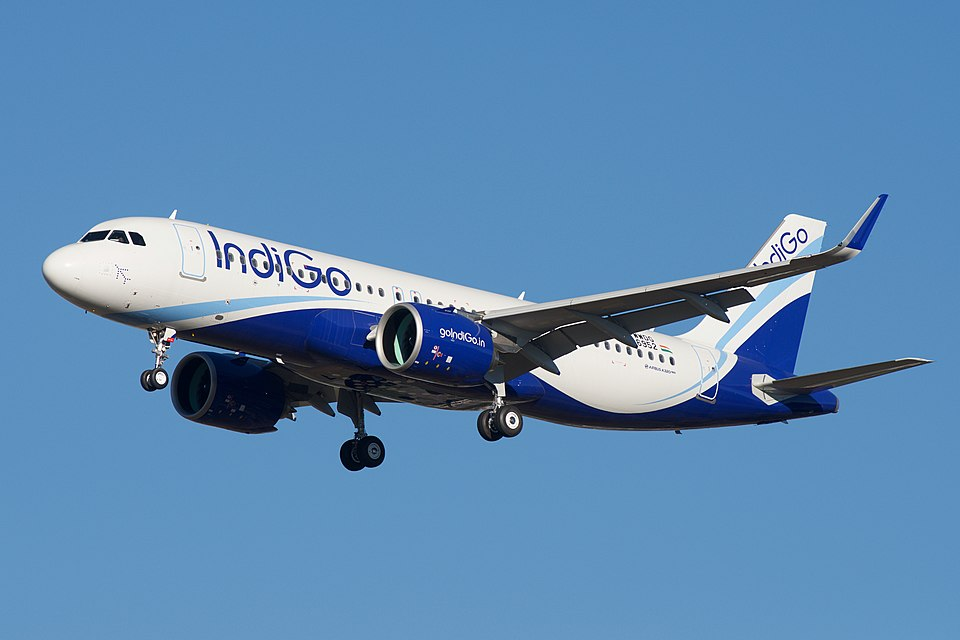
Turbulence and the December Meltdown
It wasn't all smooth flying. While Elbers was credited with modernizing the airline's vision, his tenure was marred by significant operational friction that many frequent flyers won't soon forget.
The defining crisis of his leadership occurred in December 2025. A widespread operational meltdown, triggered by a failure to properly implement new pilot fatigue regulations (Flight Duty Time Limitations or FDTL), led to the cancellation of over 4,500 flights in just a few weeks. At the height of the chaos, thousands of passengers were stranded at airports across India, and the Directorate General of Civil Aviation (DGCA) eventually slapped the airline with a ₹22.20 crore penalty.
For a traveler, this was a moment of broken trust. The "dependable" IndiGo was suddenly anything but. Critics pointed to "over-optimisation"—a polite way of saying the airline had stretched its crew and systems so thin that there was zero room for error. Elbers himself had to lead a public "apology tour," admitting that the airline had failed its customers during those chaotic weeks.
Beyond the "Bus in the Sky": Widebodies and Business Class
Perhaps the most controversial and exciting part of the Elbers era was the pivot away from the pure low-cost model. For twenty years, IndiGo was an all-economy, single-aisle airline. Elbers changed that.
In 2024, the airline announced "IndiGo Stretch," a premium business class product designed for busy domestic trunk routes like Delhi-Mumbai. This was a direct shot at the newly merged Air India-Vistara entity, signaling that IndiGo wanted a slice of the corporate traveler pie.
Even more ambitious was the order for 60 Airbus A350-900 widebody aircraft. These planes, set to begin arriving in 2027, will allow IndiGo to fly non-stop to London, Paris, and potentially even New York or Sydney. Elbers framed this as "unlocking India’s global potential," but for the budget-conscious traveler, it raised a big question: can a low-cost carrier really maintain its cheap fares while operating some of the world’s most expensive long-haul routes?
What Happens Now?
With Rahul Bhatia taking the helm at the company’s headquarters , the immediate focus will likely be on stabilization. Bhatia, who co-founded the airline 22 years ago, is seen as a "culture" leader. His interim tenure is expected to focus on reinforcing operational excellence and rebuilding the stakeholder trust that took a hit during the 2025 crisis.
For the average traveler, here is what to expect in the short term:
- Operational Consistency: Expect a "back to basics" approach. The board’s priority will be ensuring that the December meltdown never happens again.
- Product Rollouts: The "IndiGo Stretch" business class is already in motion, and it is unlikely the airline will pull back on this, as it is key to competing with Air India.
- Future Leadership: The hunt for a new CEO is already underway. Whether they hire another international veteran or look for a domestic leader remains to be seen.
The Traveler’s Takeaway
If you are a regular on IndiGo, the exit of Pieter Elbers shouldn't change your flight tomorrow. Your "BluChip" loyalty points are safe, and your 6:00 AM flight to Bengaluru will likely still be there.
However, the "Global IndiGo" experiment is at a crossroads. Moving from a domestic low-cost king to a global multi-class player is a dangerous transition—just look at the history of failed low-cost long-haul ventures globally. Elbers provided the vision, but the next leader will have to provide the execution.
As we look toward 2027 and the arrival of those A350s, the Elbers legacy will be judged by one thing: whether IndiGo can remain "on-time and affordable" while flying you halfway around the world. For now, we wait to see who the next captain will be.