
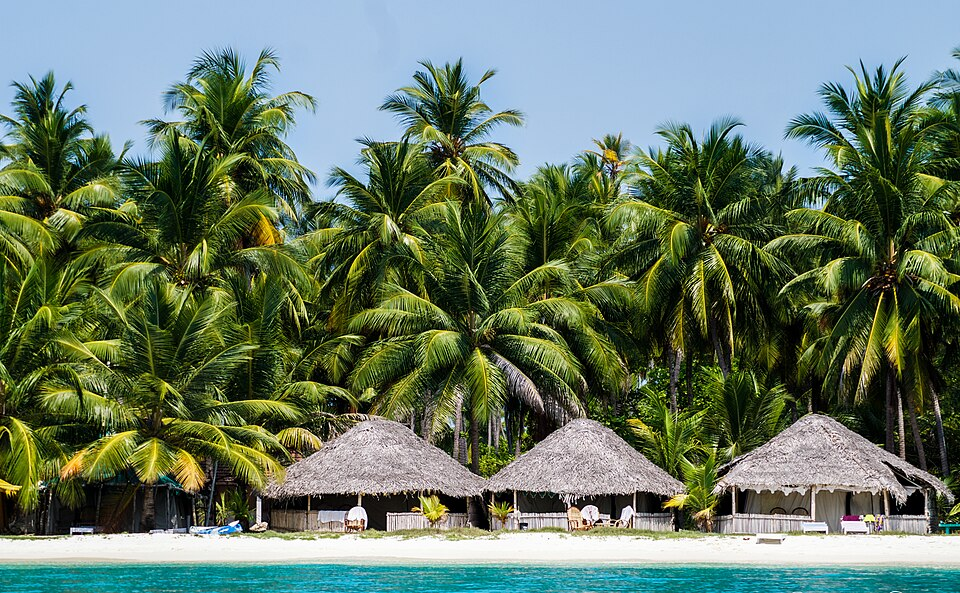
The Ultimate 2026 Lakshadweep Travel Guide: Flights, Permits, and Pristine Lagoons
Everything you need to know about visiting India’s most exclusive archipelago in 2026, from navigating the new flight routes to securing your mandatory entry permit.
For decades, Lakshadweep remained a quiet whisper among offbeat travelers—a collection of 36 coral islands scattered like emeralds in the Arabian Sea, largely overshadowed by its neighbor, the Maldives. However, a massive surge in interest starting in 2024 has transformed this Union Territory into one of the most sought-after destinations for 2026.
If you are planning a trip to Lakshadweep in 2026, you aren’t just looking for a beach holiday; you’re entering a fragile, protected ecosystem that operates differently from any other part of India. From the mandatory entry permits to the specific logistics of island-hopping, here is the practical, no-nonsense guide to navigating Lakshadweep.
The 2026 Landscape: What has changed?
The Lakshadweep you visit in 2026 is in the middle of a significant transition. While the islands retain their "untouched" charm, infrastructure is finally catching up. Several high-end eco-resorts, including the much-anticipated Tata Group projects (Taj and Vivanta), are slated to begin operations or reach maturity on Suheli and Kadmat islands by 2026.
Furthermore, flight connectivity has expanded. While Kochi remains the primary gateway, the expansion of Agatti’s airstrip and the development of the new airport at Minicoy are the two biggest factors making the islands more accessible than ever before.
How to Get There: Navigating the Air Routes
Getting to Lakshadweep is the most "frequent flyer" part of the journey. In 2026, your options are more diverse than the historical "one flight a day" era.
Flying into Agatti (AGX)
Agatti Airport remains the primary entry point for tourists.
- Airlines: IndiGo and Alliance Air operate regular turboprop flights (usually ATR-72 or similar) from Kochi (COK).
- Direct Flights: Keep an eye out for direct routes from Bengaluru (BLR) and Mumbai (BOM), which have seen seasonal demand increases.
- The Landing: The Agatti runway is one of the most scenic in the world, surrounded by turquoise water on both sides. Because the runway is short, flights are highly sensitive to weather and weight restrictions.
The Minicoy Alternative
By 2026, the development of the dual-purpose airfield at Minicoy Island is expected to provide a secondary gateway. This is a game-changer for travelers, as Minicoy is the southernmost island and was previously only accessible by a long sea voyage or a very expensive helicopter ride from Agatti.
Pro Tip: Given the limited number of flights and the high probability of weather-related delays, use the PingWing flight tracker to monitor your inbound aircraft. In these remote islands, knowing if your plane has actually left Kochi is often the only way to get accurate info, as local ground staff may have limited updates.
Reaching by Sea
For those who prefer a slower pace, the Lakshadweep Administration continues to operate passenger ships (like the MV Kavaratti) from Kochi. The journey takes 14–18 hours. While less convenient than flying, the "Samudram Package" offers a multi-island cruise experience that handles your accommodation, food, and permits in one go.
The Entry Permit: Non-Negotiable
You cannot simply "show up" in Lakshadweep. Every visitor—Indian or foreign—requires an entry permit.
- The Process: You can apply through the official e-Permit portal. You will need a police clearance certificate from your local station, a copy of your Aadhar/Passport, and confirmed hotel bookings.
- Timeline: Apply at least 30 days in advance. While the process has become more digitized by 2026, it still involves manual verification by the Lakshadweep Administration.
- Foreign Nationals: If you are not an Indian citizen, your access is generally restricted to the islands of Agatti, Bangaram, and Kadmat.
Which Islands Should You Visit?
In 2026, the "best" island depends on your tolerance for crowds and your desire for luxury.
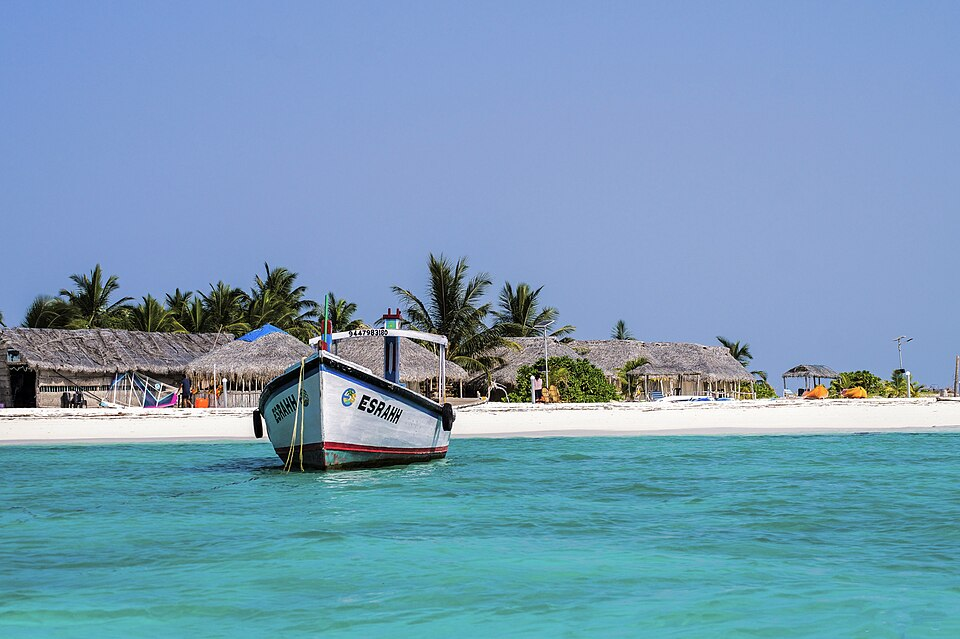
Bangaram Island: The Social Hub
Bangaram is an uninhabited island where the only residents are resort staff and tourists. It is one of the few places in Lakshadweep where alcohol is legally served to tourists. The lagoon here is massive, shallow, and teeming with turtles.
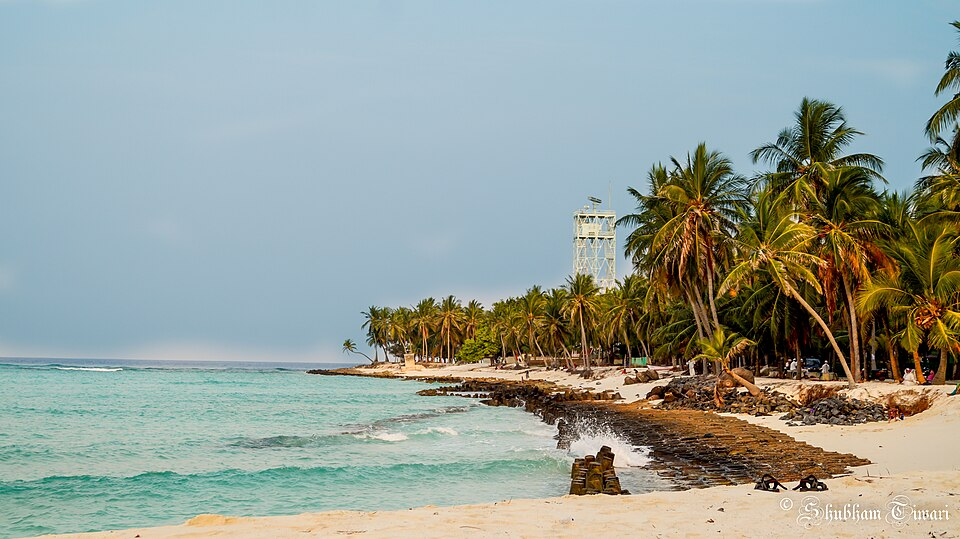
Agatti Island: The Gateway
Most travelers spend at least one night here. It’s a great place to rent a bicycle and explore the local culture. The southern tip of the island offers some of the best sunset views in the archipelago.
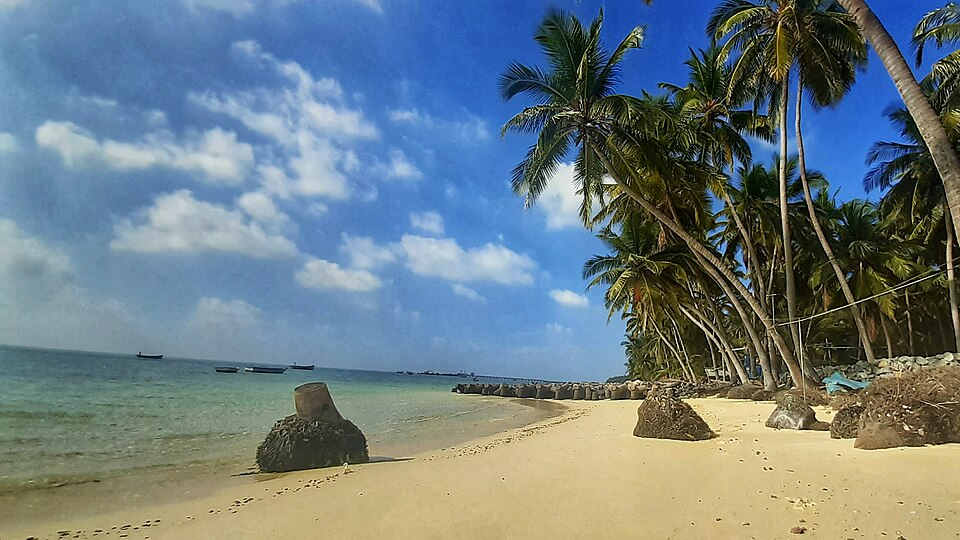
Kadmat Island: The Scuba Capital
Long and narrow (only 500 meters wide at its broadest point), Kadmat is famous for its water sports institute. The coral reefs here are some of the healthiest in the region. By 2026, the new luxury eco-resorts here provide a higher tier of accommodation than the older government tourist huts.
Minicoy Island: The Cultural Outlier
Minicoy feels different from the rest of the islands. The culture is more closely linked to the Maldives (Mahal is the local language), and the iconic 1885-built lighthouse is a must-visit.
Connectivity and Practicalities
One of the biggest shocks for travelers in Lakshadweep is the digital "black hole."
- Mobile Data: BSNL and Airtel are the only reliable providers. Even then, 5G is a rarity, and 4G can be spotty. Do not expect to hop on a Zoom call or stream Netflix.
- Digital Prep: Before you leave the mainland, download your boarding passes, offline maps, and any confirmation emails. Since you'll likely spend time in Kochi or other Indian hubs before your flight, picking up a local India eSIM is a smart move to ensure you have data right up until you board the turboprop.
- Cash is King: While UPI is growing in Agatti and Kavaratti, many smaller boat operators and shops still prefer cash. There are very few ATMs, and they often run out of money or don't accept certain cards. Carry enough INR to cover your local transfers and tips.
What to Pack
Lakshadweep is conservative and environmentally sensitive.
- Modest Clothing: Outside of the private resort beaches (like Bangaram), it is respectful to dress modestly. In inhabited islands like Agatti or Kavaratti, keep shoulders and knees covered.
- Reef-Safe Sunscreen: The lagoons are fragile. Please use mineral-based sunscreens to avoid damaging the coral.
- Power Banks: Electricity can be intermittent on some of the smaller islands that rely on solar and diesel generators.
- Snorkel Gear: While resorts rent gear, having your own mask and snorkel ensures a better fit and better hygiene for the daily hours you’ll spend in the water.
Sustainability and Etiquette
The "Lakshadweep Experience" in 2026 is built on high-value, low-impact tourism.
- No Plastic: The islands have a strict policy against single-use plastics. Avoid bringing unnecessary packaging.
- Don't Touch the Coral: It sounds obvious, but the lagoons are nurseries for marine life. Even a small kick with a fin can kill years of coral growth.
- Alcohol Rules: Respect the local laws. Except for Bangaram, Lakshadweep is a dry territory. Do not attempt to bring alcohol from the mainland; your bags will be scanned at Agatti airport, and it will be confiscated.
Summary: Is it worth it?
By 2026, Lakshadweep will likely be more expensive than it was five years ago, but it remains one of the few places on earth where you can swim in a lagoon that feels like a private swimming pool. If you can handle the permit paperwork and the lack of high-speed internet, you’ll find a version of paradise that the rest of the world is only just beginning to discover.
Plan your flights early, track them closely, and prepare for a rare "unplugged" adventure.