
The New Gateway: What to Do in Navi Mumbai Now That the Airport is Open
With the opening of Navi Mumbai International Airport is no longer just a suburb—it's a destination. Explore the best food, hidden flamingo spots, and shopping hubs in India’s most planned city.
For decades, the journey to Mumbai’s eastern neighbors was a trek through traffic that tested even the most patient traveler. But with the recent opening of the Navi Mumbai International Airport (NMIA), the landscape of Maharashtra travel has shifted.
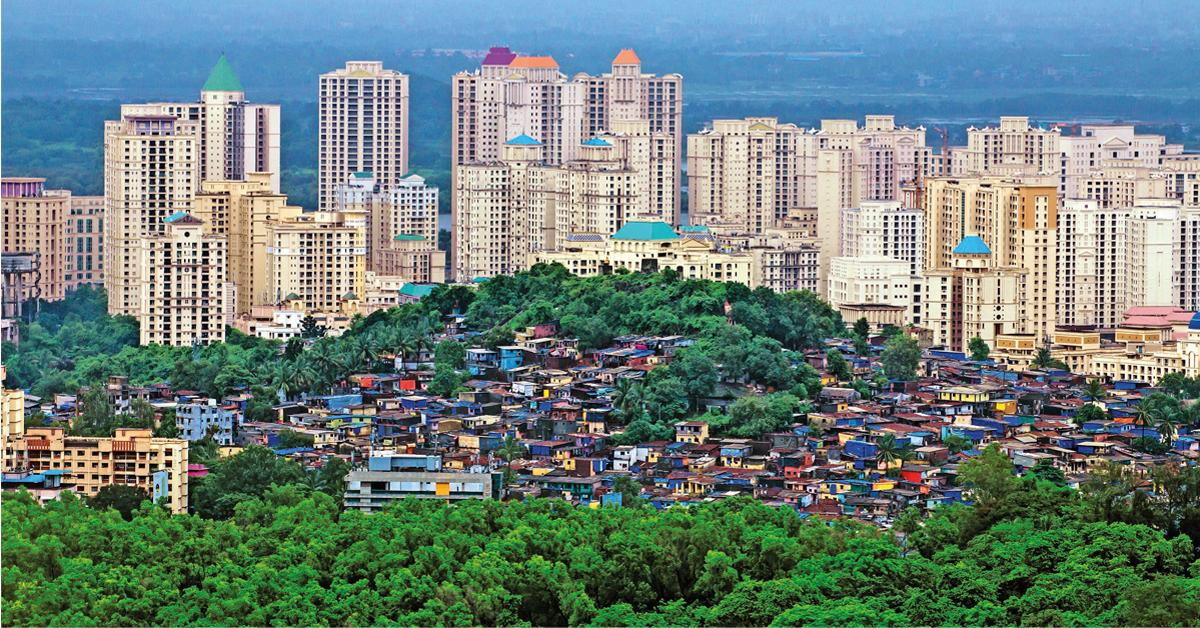
Located in the Ulwe-Panvel belt, this new terminal doesn't just relieve the pressure on the aging Chhatrapati Shivaji Maharaj International Airport (BOM); it puts the "Planned City" of Navi Mumbai directly on the global tourist map. If you find yourself landing here or choosing this side of the creek for your stay, you’ll discover a city that is wider, greener, and significantly more relaxed than its chaotic sibling across the water.
Whether you have a long layover or are making Navi Mumbai your base, here is the definitive guide to exploring the "City of the 21st Century."
The "Flamingo City" Experience
Navi Mumbai’s most famous residents aren't Bollywood stars; they are the thousands of migratory flamingos that turn the city’s wetlands into a sea of pink every winter. If you are landing between January and March, this is a non-negotiable stop.
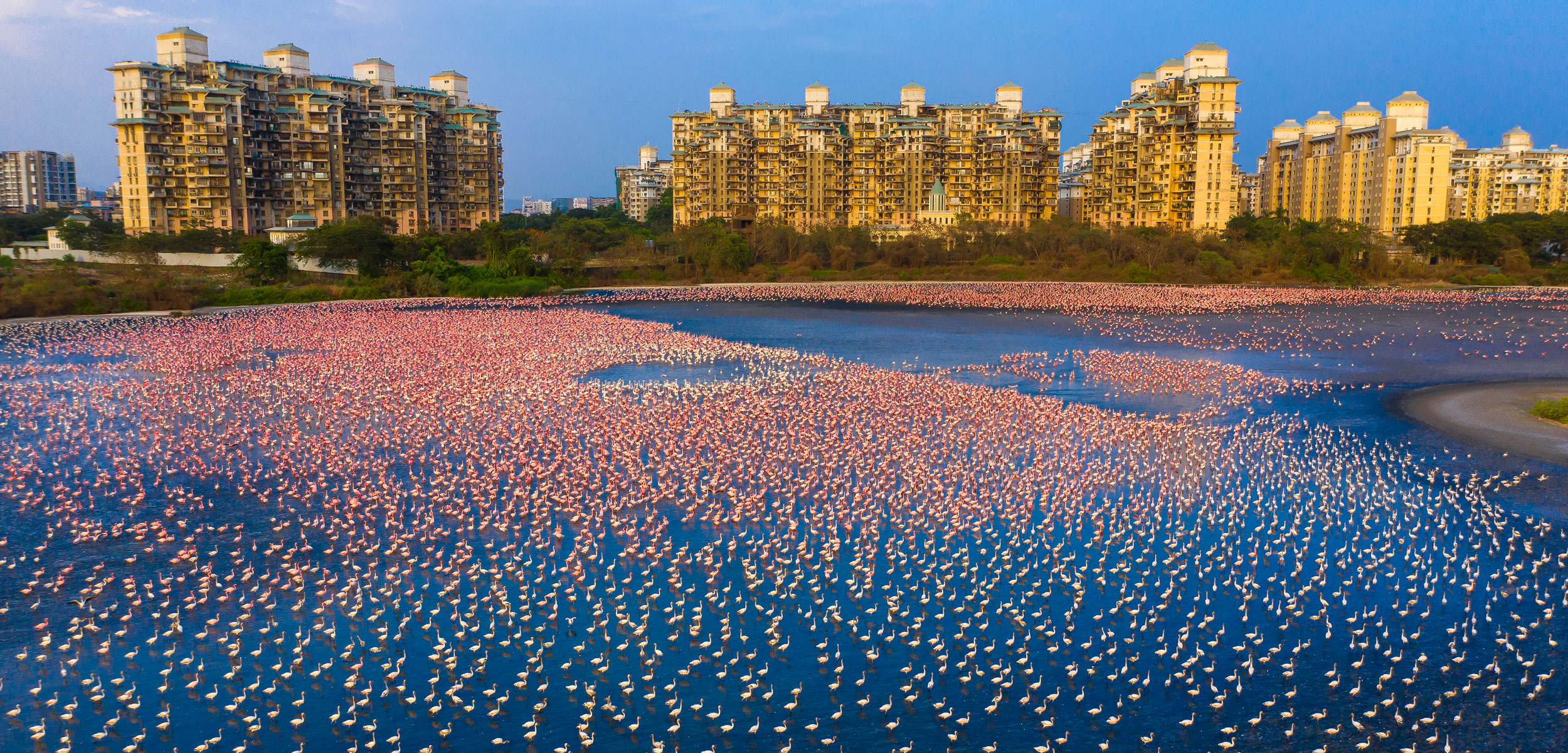
The TS Chanakya Wetlands and the DPS Lake in Nerul are two of the most accessible spots to see these birds. Unlike traditional safaris, you can often spot them just by standing on the edge of the service roads. For a more structured experience, the Thane Creek Flamingo Sanctuary offers boat rides that take you deep into the mangroves to see the birds feeding in the mudflats.
Popular Tourist Spots: The Classics
Navi Mumbai was built with recreation in mind, and its public parks reflect a scale you won't find in South Mumbai.
- Wonders Park, Nerul: This is a favorite for families and photography enthusiasts. It features life-sized replicas of the Seven Wonders of the World, including the Taj Mahal and the Colosseum. The park is well-maintained, featuring a massive amphitheater and a musical fountain that comes alive in the evenings.
- Jewel of Navi Mumbai: Located along the Palm Beach Road, this is the city’s version of Central Park. It’s a massive walking and jogging track surrounding a serene lake. It’s the best place to get a sense of the local lifestyle—frequent flyers often come here for a morning run to shake off jet lag.
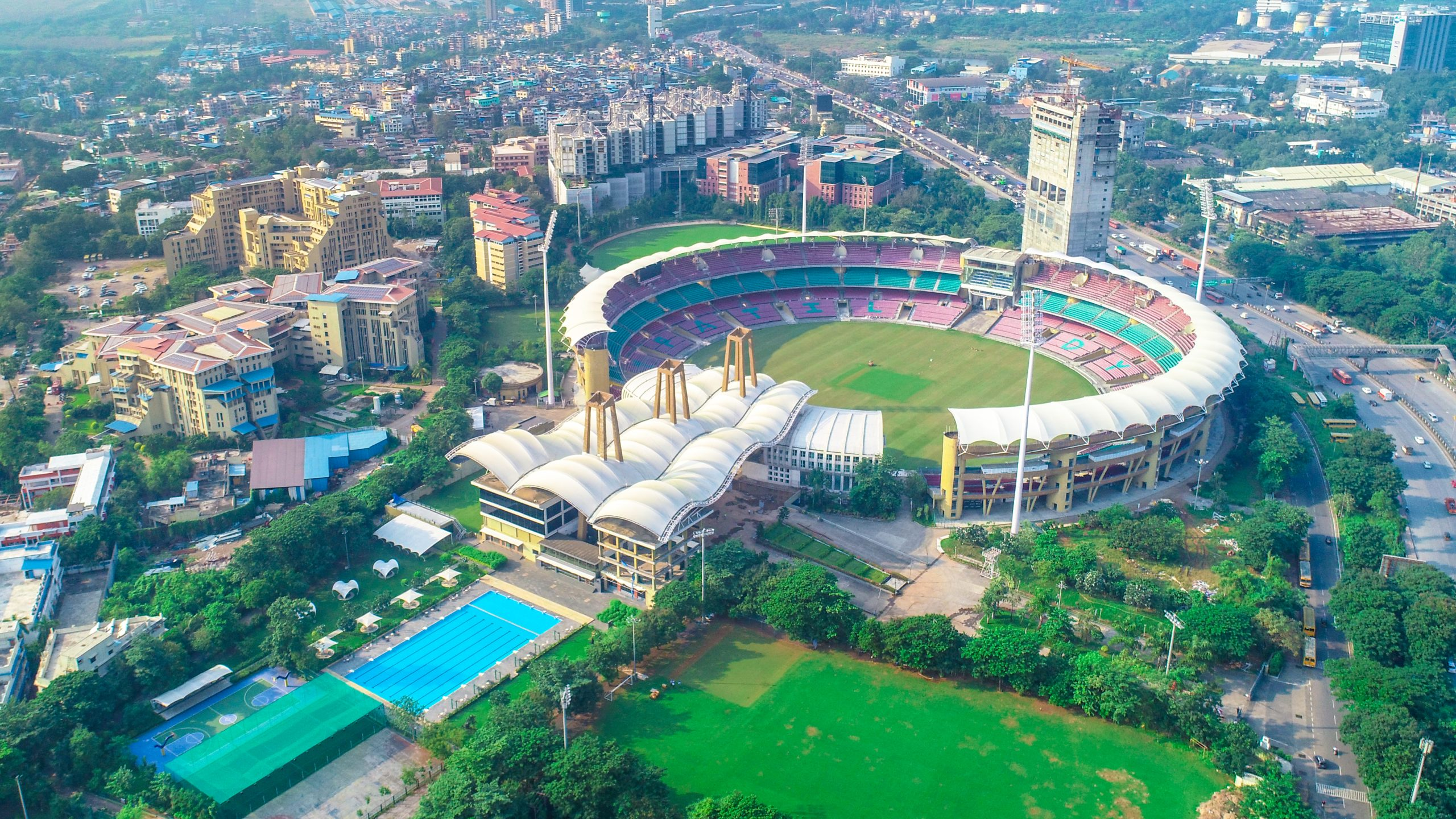
- DY Patil Stadium: Even if there isn't a cricket match or a massive concert (like Coldplay or Lollapalooza) happening, the stadium is an architectural marvel worth seeing from the outside. It’s one of the most advanced sporting arenas in Asia.
The Food Scene: From Street Eats to Pub Hubs
Navi Mumbai’s culinary landscape is divided into distinct zones. Depending on your mood, you’ll want to head to one of these three neighborhoods:
1. CBD Belapur: The Nightlife Capital
If you’re looking for a drink and a high-energy atmosphere, CBD Belapur is the place. The "Pub Street" in Sector 15 is lined with popular spots like The Bar Stock Exchange, Pop Tate’s, and Sammy Sosa. For a more refined evening, Tales Of Tavern offers excellent cocktails and a gastro-pub vibe that rivals anything in Bandra.
2. Vashi Sector 17: Legacy and Street Food
Before the new airport was even a blueprint, Vashi was the heart of Navi Mumbai. Sector 17 remains the go-to for "authentic" local flavors. You can find everything from high-end Mughlai at Afzal’s Mao to the legendary Vada Pav stalls that stay crowded from sunrise to midnight. Don’t miss the South Indian breakfast at Udupi Shri Krishna—it’s a local institution.
3. Kharghar: The Cafe Culture
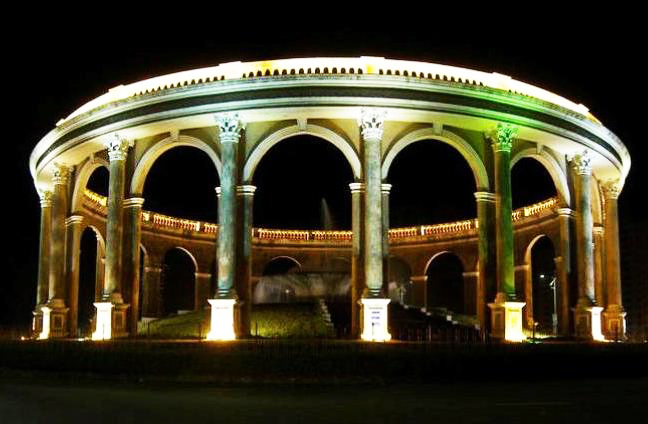
Kharghar is a student and residential hub, which has given rise to dozens of quirky, affordable cafes. It’s the best area for a quiet afternoon with a laptop or a book. The area around Utsav Chowk , a massive landmark inspired by Roman-Greek architecture, is particularly dense with small eateries serving everything from momos to artisanal coffee.
Hidden Gems and Less-Known Spots
If you want to escape the crowds entirely, Navi Mumbai has several "secret" spots that even some locals haven't fully explored.
- Parsik Hill: This is a residential hillock that offers some of the best sunset views in the Mumbai Metropolitan Region. It’s quiet, windy, and provides a panoramic view of the shipping containers at JNPT on one side and the city’s skyline on the other.
- Pandavkada Falls: If you are visiting during the monsoon (June to September), this 100-meter-tall waterfall is a sight to behold. Note that access is often restricted during heavy rains for safety, so check local news before heading out.
- Belapur Fort: Tucked away near the waterfront, the ruins of this 16th-century fort offer a glimpse into the region’s pre-urban history. It’s a great spot for a short trek and some quiet reflection.
Shopping: Transit-Oriented Luxury
Navi Mumbai’s malls are massive because, unlike in Mumbai, there is actually space to build them.
- Seawoods Grand Central Mall: This isn't just a mall; it’s a "Transit-Oriented Development." It’s built directly on top of the Seawoods-Darave railway station. It houses almost every international brand you can think of, from H&M to Sephora, and has a massive food court.
- Inorbit Mall, Vashi: One of the oldest and most beloved malls in the city. It’s smaller than Seawoods but has a curated selection of brands and is very easy to navigate.
Practical Tips for the Modern Traveler
Navi Mumbai is a planned city, which means the roads are on a grid system and are much wider than those in Mumbai. However, public transport can still be a bit of a learning curve for newcomers.
Connectivity: While the new airport is the big news, the Atal Setu (MTHL) is the real game-changer. This sea bridge connects Navi Mumbai to South Mumbai in about 20 minutes, making it feasible to stay in Navi Mumbai even if you have meetings in Colaba. For local travel, auto-rickshaws run on the meter (a rare luxury in India), and the Harbour Line of the local train is the city’s spine.
Where to Stay: If you want luxury near the airport, the Le Méridien Navi Mumbai and the Marriott Executive Apartments in Navi Mumbai are excellent choices. For those on a budget, the area around Vashi and Kharghar has plenty of reliable 3-star business hotels.
Final Thoughts
Navi Mumbai is often dismissed as a "satellite city," but with the Navi Mumbai International Airport now operational, that narrative is dead. It is a city of wide boulevards, pink birds, and some of the best-planned infrastructure in the country. Next time you fly into the region, consider skipping the chaos of the main city and spending a few days exploring the greenery and quiet corners of the "New" Mumbai.