
Rosalía’s Barcelona Takeover: The 48-Hour Travel Surge You Didn’t Plan For
If you are flying into El Prat this April, you are competing with thousands of "Motomami" fans—how to navigate the city during the mid-month concert peak.
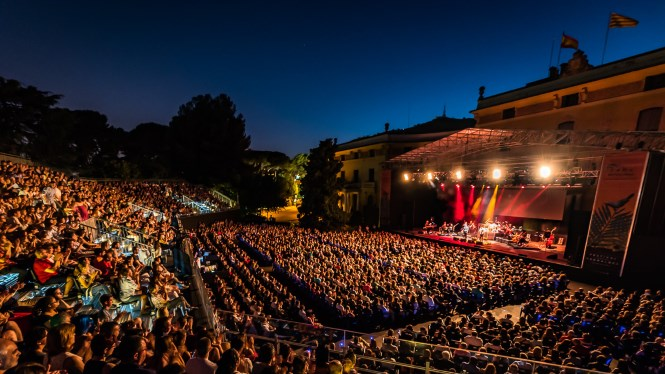
Seventeen thousand people. That is the capacity of the Palau Sant Jordi , and between April 13 and April 18, 2026, it will fill up three separate times. When Rosalía takes the stage for her massive homecoming stand on April 13, 15, and 18, Barcelona won’t just be hosting a concert; it will be navigating a logistical fever dream.
If you are one of the thousands of "Motomamis" flying in from London, New York, or Mexico City, you already know the stakes. But if you’re just a business traveler with a meeting in Eixample or a couple looking for a quiet weekend near the Gothic Quarter, you are about to run headfirst into a travel surge that can ruin a trip if you aren't prepared. Barcelona El Prat (BCN) is a world-class airport, but it isn't designed for the specific, rhythmic pulse of three stadium-level events in five days.
Here is how to navigate the "Rosalía Surge" without losing your mind—or your luggage.
The El Prat Bottleneck: T1 vs. T2
Most international "legacy" carriers like Iberia, Lufthansa, and Delta pull into Terminal 1. It’s the shiny, architectural marvel you see in the brochures. However, if you are hopping over from within Europe on Ryanair or certain EasyJet flights, you’ll likely land at Terminal 2.
During the mid-April peak, Terminal 2 will be the epicenter of the chaos. It’s smaller, older, and the ground transport links are more prone to clogging. If you have the choice when booking, pay the extra €20 to fly into Terminal 1. The security lines move faster, and the access to the Aerobús—the express bus to the city center—is much more streamlined.
Regardless of which terminal you land in, do not trust the taxi queue between April 12 and April 19. I’ve seen that line snake around the terminal for forty minutes during minor holiday weekends; for a Rosalía homecoming, it will be worse. If you value your time, book a private transfer in advance. Having a driver waiting with a sign isn't just a luxury; it’s a tactical maneuver to bypass the thousands of people trying to figure out the FGC train schedule simultaneously.
The Counterintuitive Route: The Girona Pivot
Here is a tip most travelers overlook: don’t fly into Barcelona at all.
Girona-Costa Brava Airport (GRO) is roughly 90 kilometers north of Barcelona. During major event weeks, BCN flight prices skyrocket and air traffic control delays become a reality. Check flights into GRO. The bus from Girona airport drops you off at Estació del Nord in about 75 minutes. Often, the total travel time from touchdown in Girona to your hotel in Barcelona is shorter than the time you’d spend fighting the crowds at El Prat.
Plus, you get to skip the BCN baggage claim, which, during a surge, can feel like an Olympic sport where the prize is your own suitcase, eventually.
Connectivity is Non-Negotiable
Barcelona is a city of narrow streets and dead zones. When 17,000 people leave a concert at the same time, the local cell towers near Montjuïc often buckle under the weight of ten thousand simultaneous Instagram Stories. If you’re relying on your home provider’s "International Day Pass," expect your data to throttle exactly when you need to call an Uber or check the Metro map.
Secure a local Spain eSIM before you even leave the house. Having a direct connection to local Spanish networks (like Movistar or Orange) gives you priority over roaming signals. It’s the difference between seeing a "No Connection" spinner and actually finding the last available Bolt car at midnight.
Where to Stay (and Where to Avoid)
The Palau Sant Jordi is located on Montjuïc, a hill overlooking the city. Naturally, the hotels in Poble Sec and near Plaça d'Espanya will be the first to sell out and the most expensive.
If you aren't attending the concert, stay away from these areas. The traffic surrounding Plaça d'Espanya during concert nights (April 13, 15, and 18) will be a gridlocked nightmare. Instead, look toward Gràcia or even Poblenou. These neighborhoods offer a more authentic "local" feel and are far enough from the concert radius that you won't be woken up by crowds of fans singing "Despechá" under your balcony at 2:00 AM.
The "After-Concert" Transport Trap
If you are going to the show, listen closely: the Metro is a trap.
While the L1 and L3 lines serve the base of Montjuïc, the walk from the stadium down the hill to the station is long, and the stations themselves become dangerously crowded. The city usually runs shuttle buses from the stadium to Plaça de Catalunya , but the wait times are legendary.
The pro move? Walk the opposite way. Head down the back side of the hill toward the Fira de Barcelona area or find a spot to grab a late-night bite in Poble Sec and wait 45 minutes for the initial wave to disperse. Barcelona is a late-night city; most kitchens near Carrer de Blai stay open well past midnight. Let the crowds fight for the Metro while you eat pintxos.
Navigating the Airport on the Way Out
The "Rosalía Hangover" will hit the airport hardest on April 14, 16, and 19. These are the days when the fans head home.
If you are flying out of BCN on these dates, give yourself three hours. Not because the check-in is slow, but because the tax-refund counters and security checkpoints will be under siege. If you’re a frequent flyer, this is the time to use any lounge access you have. The Pau Casals Lounge in T1 is a solid sanctuary from the terminal madness.
Also, keep a close eye on your flight status. When airports operate at 99% capacity, a single late inbound flight can trigger a domino effect of delays across the board. If your flight is delayed by more than three hours or canceled entirely due to airline staffing issues during the surge, don't just sit at the gate fuming. You might be eligible for flight compensation under EU261 regulations. Keep your boarding pass and a photo of the departure board.
The Mid-April Survival Guide
Barcelona in April is stunning. The weather is usually hitting that perfect 18-20°C (65-68°F) sweet spot, the tourists haven't reached "summer peak" levels yet, and the city feels alive. Rosalía’s presence only adds to that electricity, but it changes the physics of the city's movement.
- Book your tickets for attractions early: If you want to see the Sagrada Família or Park Güell, book them weeks in advance. The concert crowd will be filling their daytime hours with sightseeing.
- Dine early or very late: The 8:00 PM to 10:00 PM window in restaurants will be packed with concert-goers fueling up or locals hiding from the chaos. Aim for 7:00 PM (early for Spain) or 10:30 PM.
- Use the "Bicing" or Scooters: If the traffic is deadlocked, the bike lanes are your best friend. Barcelona has an incredible cycling infrastructure that bypasses the car-clogged arteries of the Eixample.
Travel is rarely about the destination itself; it’s about how you manage the friction of getting there. In April 2026, Barcelona will have plenty of friction. Pack your patience, get your data sorted before you land, and remember that in this city, there is always a side street with a quiet bar and a cold glass of vermouth where the "Motomami" hype can’t reach you.
The city belongs to Rosalía that week. You’re just living in it—make sure you do it on your own terms.