
The Last 14 Days of Ramadan: A Secret Food Map of Mohammad Ali Road
With Eid al-Fitr approaching on March 20, we reveal the specific stalls that locals keep secret during the final weeks of the midnight food festival.
The Last 14 Days of Ramadan: A Secret Food Map of Mohammad Ali Road
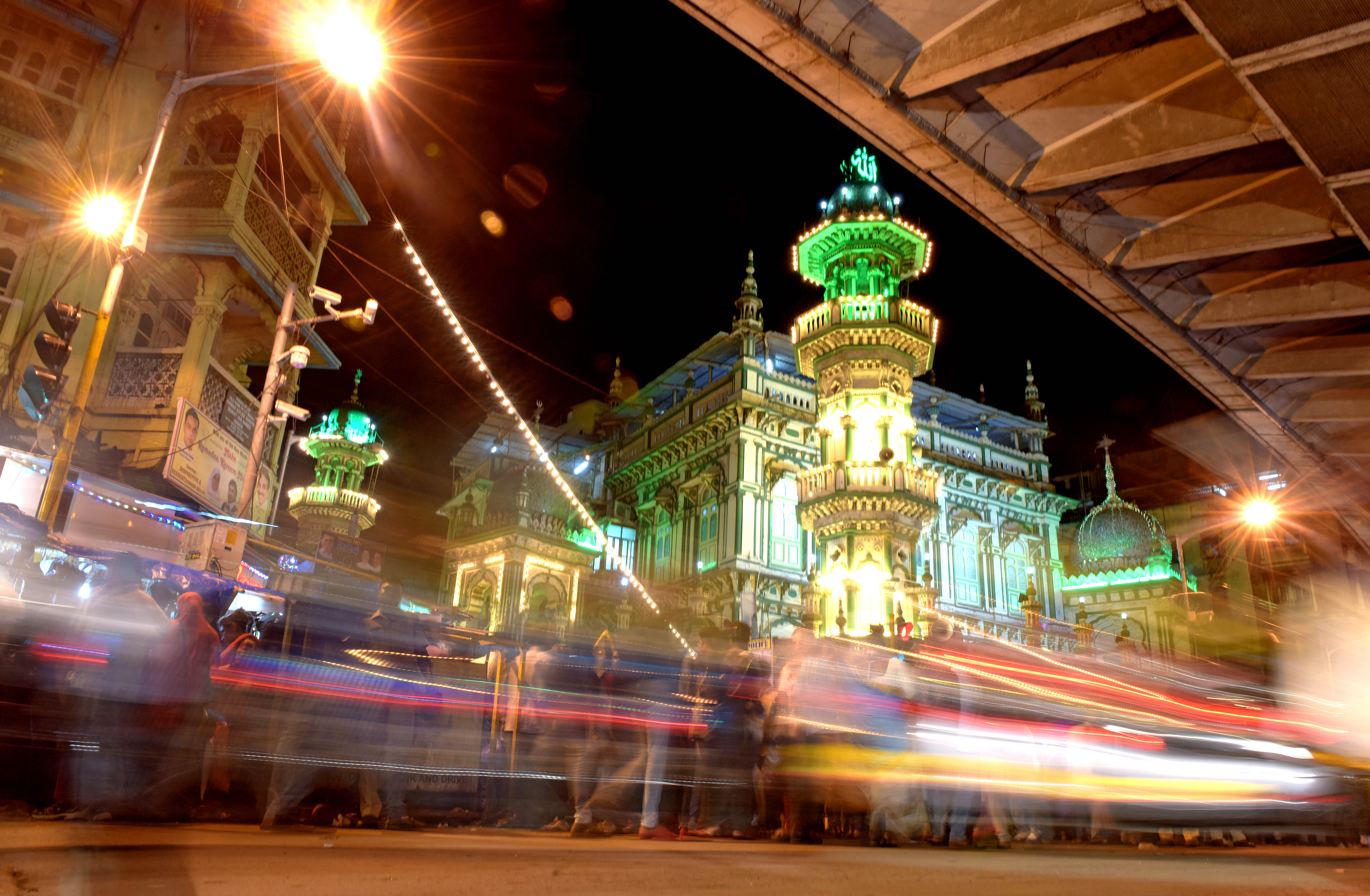
The first time I stepped onto Mohammad Ali Road during the final week of Ramadan, I thought I’d made a mistake. The air was a thick, humid soup of charcoal smoke, sandalwood incense, and the heavy scent of rendered fat. It was 1:30 AM, and South Mumbai was more alive than it had been at noon. Ramadan 2026 is currently in its final stretch, with Eid al-Fitr expected around March 20, and if you are currently in Mumbai or planning a last-minute flight to BOM, you are hitting the absolute peak of the year’s most intense food festival.
While the "food walk" influencers will point you toward the neon lights of Minara Masjid, the locals know that the final 14 days change the game. This is when the "pop-up" masters—vendors who only appear for the fortnight leading up to Eid—set up shop in the shadows of the flyover.
If you’re navigating the chaos, here is the secret map to the stalls that don't make the glossy brochures.
The Strategy: Beyond the Minara Masjid Trap
Most tourists get stuck in the "khau galli" (eating lane) directly adjacent to Minara Masjid. It’s a bottleneck of human traffic where you’ll spend forty minutes moving ten feet. My advice? Skip it for the first hour.
Instead, start your night at Bohri Mohalla. It’s about a 15-minute walk (or a very precarious rickshaw ride) away. This area is historically the home of the Dawoodi Bohra community, and their food is distinct—richer, more nuanced, and less about the "fry everything" mentality of the main drag.
By the time the clock hits 2:00 AM, the main crowds at Mohammad Ali Road start to thin slightly as families head home, leaving the real gems accessible to the night owls. If you’re flying in from DXB or LHR and your body clock is still screaming, this is your playground.
The "Last Fortnight" Specialists
The beauty of the final 14 days is the appearance of the Haleem specialists. Haleem—a slow-cooked stew of meat, lentils, and broken wheat—is a labor of love that many stalls only bother with when the crowd volume justifies the 12-hour prep time.
- The Unnamed Haleem Stall near Raudat Tahera: Look for a massive copper deg (cauldron) wrapped in red cloth. There’s no sign, just a man with a wooden paddle the size of an oar. This is the smoothest Haleem you will ever taste. It’s topped with a layer of "rogan" (spiced oil) and a squeeze of lime that cuts through the richness like a knife.
- Hindustan Restaurant’s Chhota Kebab: While everyone is queuing for the seekh kebabs at the famous spots, head here for the Chhota Kebabs. These are tiny, hand-pounded beef patties grilled on a flat tawa. They are served with a stack of mint leaves and deep-fried parathas that are so flaky they shatter on contact.
- The Mawa Jalebi at Burhanpur Jalebi Center: You might have had orange jalebis, but these are dark brown, nearly black. Made with mawa (milk solids), they taste like a cross between a donut and a gulab jamun. During the final week of Ramadan, they fry these in batches of fifty, and they sell out in seconds.
The Counterintuitive Tip: Start with the Heavy Hitters
Standard food crawl logic dictates you start light and end heavy. On Mohammad Ali Road in 2026, do the opposite.
The most iconic dishes—like the Nalli Nihari at Noor Mohammadi Hotel—are actually better the earlier you get them. By 3 AM, the marrow has been picked clean and the gravy, while still delicious, has lost that initial velvety punch. Hit Noor Mohammadi first and order the "Sanju Baba Chicken" (a recipe famously gifted to the restaurant by actor Sanjay Dutt) and the Nalli Nihari.
Once you’ve secured the heavy proteins, you can graze on the lighter snacks like Dilkhush (sweet bread) or the various fruit creams at Haji Tikka as you wander.
Survival Logistics: Connectivity and Crowds
Mumbai is a sensory overload on a quiet day. During the 4 AM rush on Mohammad Ali Road, it can be overwhelming. Don't rely on finding a stable Wi-Fi connection in the middle of Bhendi Bazaar; the old stone buildings and massive crowds turn the area into a dead zone for most public signals.
If you’re an international traveler who just touched down, make sure you’ve sorted your data before you leave the hotel. I’ve seen too many people lose their group in the crowd because they couldn't send a WhatsApp pin. Getting a local India eSIM is the most practical move here—it ensures you can hail a ride-share when you finally decide you can’t eat another bite at 4:30 AM.
Speaking of rides, do not try to take an Uber or Ola directly to the Masjid. The driver will get stuck three blocks away, and you’ll be charged for a "wait time" while you both stare at each other through the app. Ask to be dropped at Crawford Market or the JJ Flyover start point and walk the rest of the way. It’s faster, and you get to see the roadside vendors selling Eid clothes and perfumes.
The Sweet Finish: The "Sehri" Experience
As the sun begins to hint at the horizon, the atmosphere shifts. This is Sehri time—the final meal before the fast begins at dawn. This is when you find the Sutarpheni (fine, thread-like sweet) and the Pheni (vermicelli) being sold in massive, airy piles.
Head to Suleman Usman Mithaiwala at the foot of the Minara Masjid. While they are famous for their Malpua (deep-fried pancakes soaked in syrup and topped with heavy cream), the real pro move in the final days is to buy a box of their dry fruit Aflatoon. It’s a dense, ghee-laden sweet that travels well. I usually pack a couple of boxes in my carry-on for the flight back; it’s the ultimate "I was there" souvenir for friends who stayed home.
Final Thoughts for the 2026 Traveler
The Mohammad Ali Road experience is not for everyone. It is loud, it is greasy, and it will challenge your personal space boundaries. But there is a specific magic in the air during these last 14 days. It’s the feeling of a city holding its breath before the massive celebration of Eid.
You’ll see families in their finest clothes, backpackers with their eyes wide, and locals who have been eating at the same stall for forty years. It’s a reminder that even in a city as modern and fast-paced as Mumbai, some traditions are best served on a paper plate at three in the morning.
Eat the Malpua, embrace the smoke, and don't forget to wash it all down with a cold bottle of Taj Paneer soda. You’ve got until March 20 to experience it—don't waste the night.