
Sky-High Connectivity: The Ultimate Guide to Airlines Offering Free In-Flight WiFi
Stop paying for overpriced, sluggish satellite internet. We’ve rounded up the airlines offering free in-flight WiFi and the best ways to stay connected at 35,000 feet.
Free In-Flight Wi-Fi in 2026: Which Airlines Actually Let You Stay Connected
There was a time when switching on airplane mode meant accepting a forced digital detox. You would board the aircraft, lose your signal, and spend the next several hours disconnected from the internet. For many travelers that meant reading a book, staring at the seatback screen, or simply waiting for the flight to end.
Today, that expectation is rapidly changing. For modern travelers — whether you are a digital nomad catching up on Slack, a consultant answering emails, or a casual flyer streaming Netflix — internet access in the sky has moved from a luxury perk to an essential part of the travel experience.
The airline industry has noticed. Over the last few years, connectivity has become one of the newest battlegrounds for passenger loyalty. A growing number of airlines are offering free in-flight Wi-Fi, though the details vary widely. On some airlines, it means full browsing for every passenger. On others, it means free internet only if you log in to a loyalty program. And on many flights, “free Wi-Fi” still means messaging only, not full internet access.
Understanding which airlines truly offer free connectivity — and which ones still charge — can help you plan better and avoid expensive surprises at 35,000 feet.
The Gold Standard: Airlines Offering Broad Free Wi-Fi
A small but growing group of airlines offers the closest thing to true free internet access for all passengers.
JetBlue
JetBlue remains one of the strongest examples of truly passenger-friendly connectivity. Its Fly-Fi service is free for every traveler on board, regardless of seat or loyalty status.
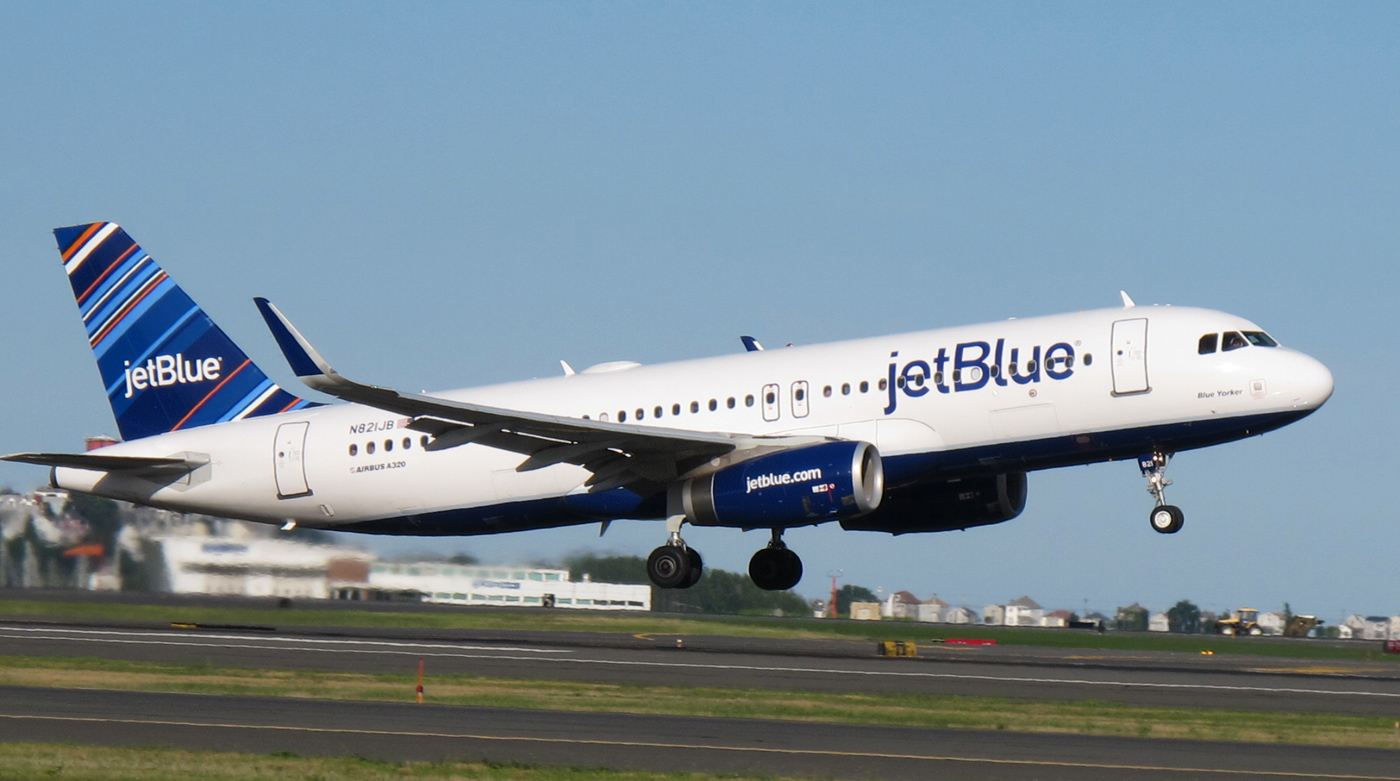
Passengers can connect to Wi-Fi from gate to gate, and speeds are often fast enough for video streaming, messaging apps, and general browsing. Unlike many airlines that require passengers to log in with a loyalty account or watch advertisements, JetBlue’s system simply allows travelers to connect and start browsing.
This straightforward approach has made JetBlue one of the most consistently praised airlines when it comes to onboard internet.
Qatar Airways
Qatar Airways has also emerged as a leader thanks to its rollout of Starlink satellite internet. Starlink uses a network of low-earth orbit satellites that offer dramatically lower latency and higher speeds than traditional aviation satellite systems.
On aircraft equipped with Starlink — primarily Boeing 777s and Airbus A350s — Qatar Airways offers free high-speed Wi-Fi for all passengers, allowing streaming, browsing, and messaging without complicated login steps.
As the rollout expands across the fleet, Qatar Airways is positioning itself as one of the most connected long-haul airlines in the world.
Air India
Air India has recently introduced in-flight Wi-Fi as part of its broader transformation under the Tata Group. The service is currently available on select aircraft including Airbus A350, Boeing 787-9, and some Airbus A321neo planes, operating on both domestic and international routes.
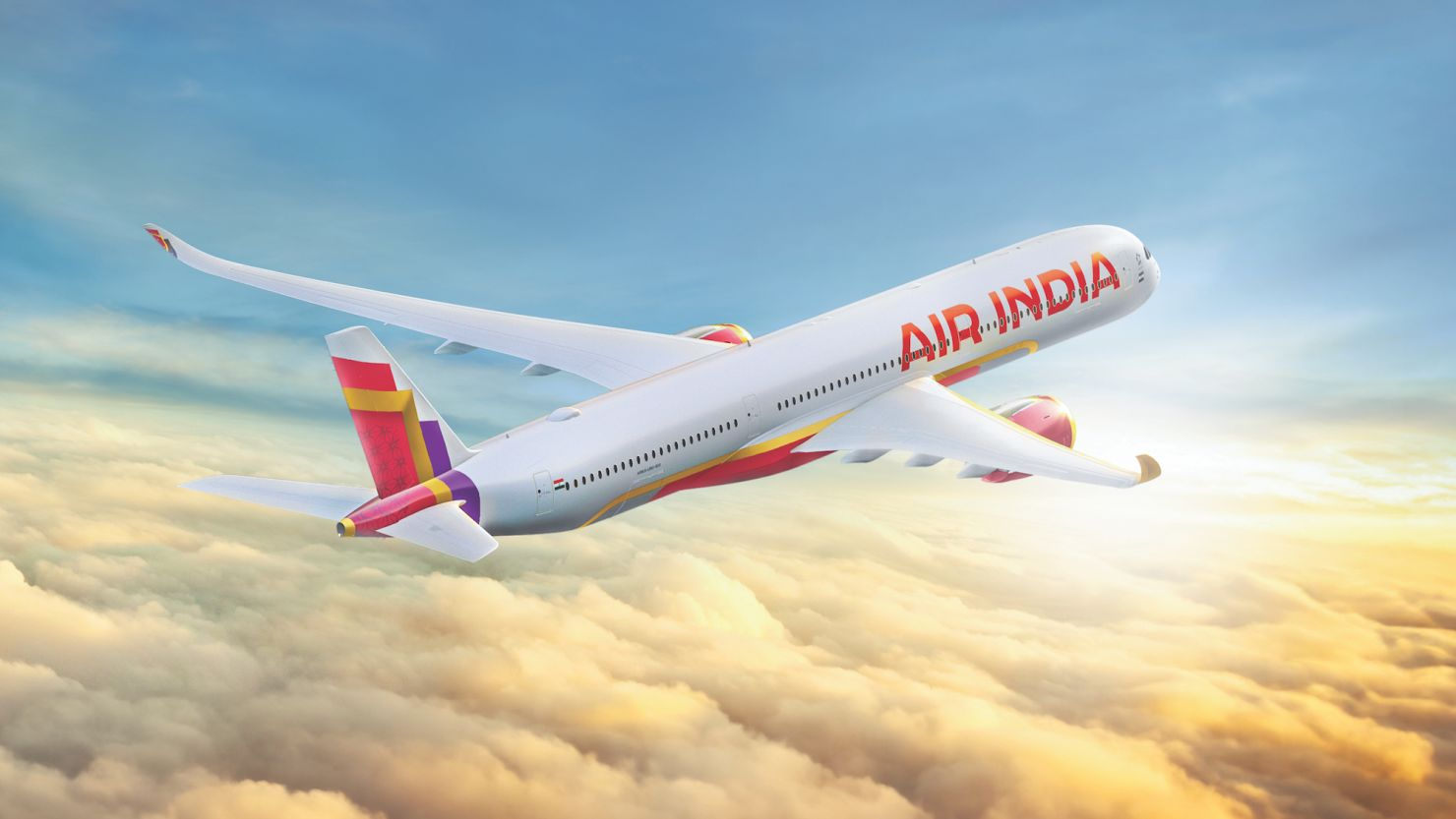
During the initial rollout phase, Wi-Fi has been complimentary for passengers, allowing travelers to browse the internet, send messages, and use social media while onboard.
However, availability still depends on the aircraft operating your flight, and the airline has indicated that connectivity will continue expanding gradually across the fleet. As the rollout evolves, Air India may eventually adopt a tiered model similar to other global carriers.
Air New Zealand
Air New Zealand offers free in-flight Wi-Fi on many of its aircraft, particularly those equipped with newer satellite systems.
However, the airline is careful not to promise Wi-Fi on every flight. Availability depends on the aircraft type and route, and last-minute aircraft changes can affect connectivity.
As a result, Air New Zealand is best described as offering widely available free Wi-Fi, rather than universal connectivity.
Hawaiian Airlines
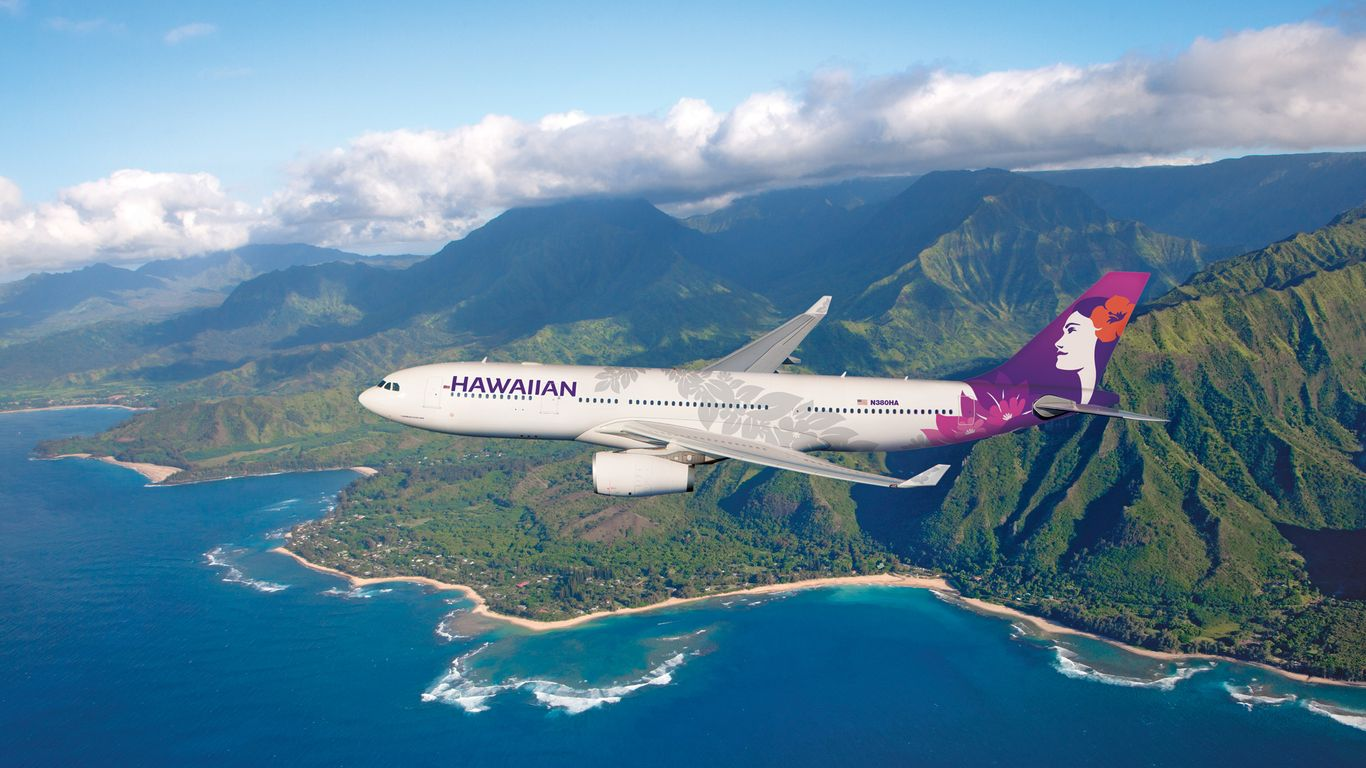
Hawaiian Airlines has adopted a similar approach. The airline offers free Starlink Wi-Fi across its long-haul fleet, with no login or payment required.
For passengers flying long routes across the Pacific, this represents a major upgrade compared to traditional satellite systems, which were often slow and unreliable over oceanic routes.
The Loyalty Model: Free Wi-Fi if You Sign Up
The most common model used by airlines today is free Wi-Fi tied to loyalty programs.
Airlines offer complimentary internet access, but only if passengers sign in using their frequent flyer account. The good news is that these loyalty programs are almost always free to join.
Delta Air Lines
Delta has been one of the most aggressive airlines in expanding free connectivity. Its Delta Sync Wi-Fi program provides free internet access for members of its SkyMiles loyalty program.
Most domestic flights in the United States now offer free Wi-Fi to SkyMiles members, and the airline is gradually expanding the service to international routes as aircraft receive upgraded connectivity systems.
Passengers who are not already SkyMiles members can simply sign up mid-flight and connect.
Singapore Airlines
Singapore Airlines now provides complimentary unlimited Wi-Fi to members of its KrisFlyer loyalty program across most of its fleet.
This represents a significant shift from the airline’s earlier policy, which reserved free connectivity primarily for Business and First Class passengers.
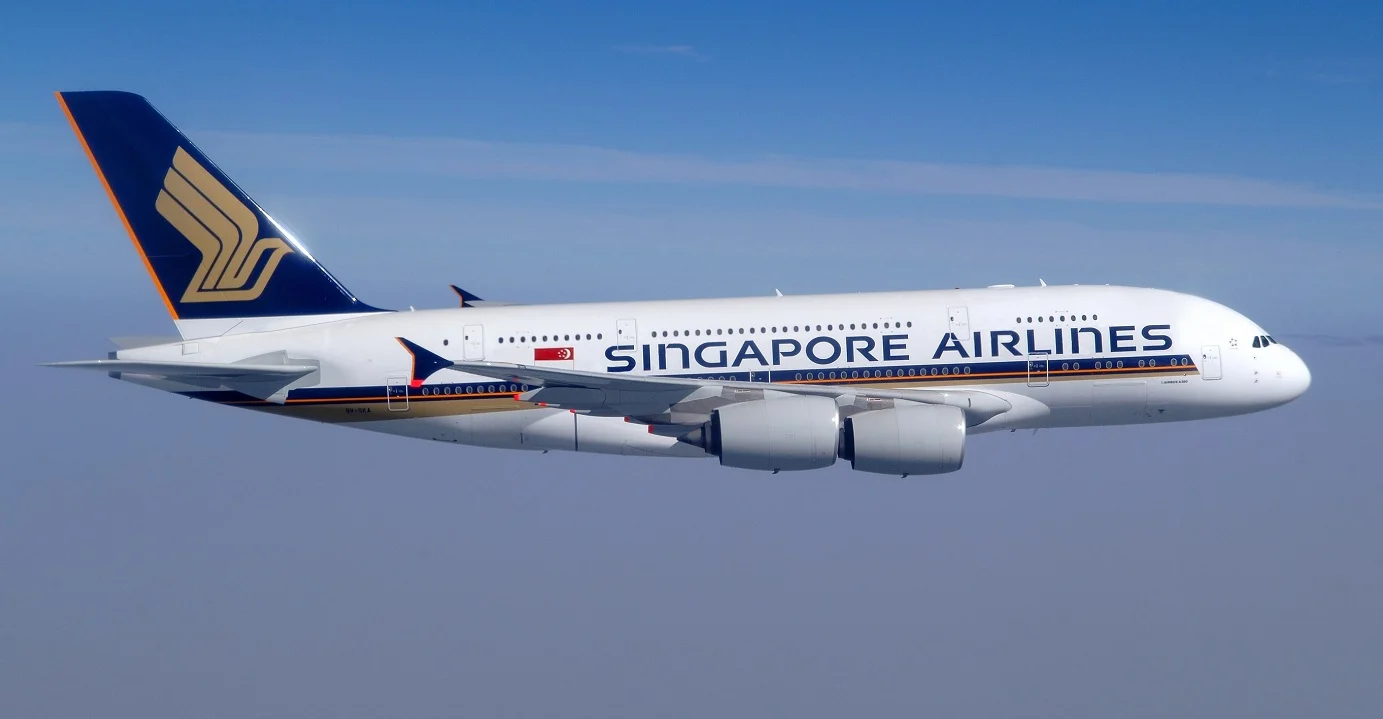
Economy passengers can now access Wi-Fi as well, although there are some limitations. For example, KrisFlyer members in Economy may be restricted to one connected device at a time.
Southwest Airlines
Southwest Airlines has recently expanded its connectivity offering, providing free Wi-Fi to Rapid Rewards members on many flights.
While Wi-Fi remains a paid service for non-members, the barrier to entry is low because Rapid Rewards membership is free.
Southwest has also signaled that it plans to upgrade connectivity further in the future as new satellite technologies become available.
United Airlines
United Airlines is in the middle of a major connectivity transition.
On most aircraft today, Wi-Fi is still a paid service. However, United has begun installing Starlink internet on its fleet, and on those aircraft Wi-Fi is free for MileagePlus members.
As the rollout continues, the number of flights offering free high-speed connectivity is expected to increase significantly.
The Messaging Tier: Free Texting but Paid Internet
Many airlines now offer a free messaging tier, which allows passengers to use apps such as:
- iMessage
- Facebook Messenger
However, these plans typically do not allow browsing, streaming, or downloading.
British Airways
British Airways offers free messaging to members of The British Airways Club on Wi-Fi equipped aircraft.
Passengers who want full browsing or streaming capabilities usually need to purchase a Wi-Fi pass.
Lufthansa
Lufthansa provides free unlimited messaging to passengers who log in with a Travel ID or Miles & More account.
For broader internet access, passengers must upgrade to a paid connectivity package.
Emirates
Emirates offers free messaging to eligible members of its Skywards loyalty program, though the exact benefits depend on membership tier and cabin class.
Full internet access often requires either elite status or the purchase of a paid Wi-Fi package.
Turkish Airlines
Turkish Airlines also offers complimentary messaging to Miles&Smiles members, while broader internet access is typically limited to Business Class passengers or elite members.
Airlines That Still Charge for Wi-Fi
Despite the industry trend toward free connectivity, several airlines still treat Wi-Fi primarily as a paid add-on.
American Airlines
American Airlines offers Wi-Fi on most flights, but it generally remains a paid product.
Passengers can purchase flight passes or monthly subscriptions, although some limited free access may be available for certain promotional sessions or airline websites.
Spirit Airlines
Spirit Airlines offers Wi-Fi on many aircraft, but it is sold as an optional add-on starting at around $5.99 per flight.
The Starlink Revolution
One of the biggest developments in aviation connectivity is the rise of Starlink satellite internet.
Traditional aviation Wi-Fi relies on geostationary satellites located far above Earth. These systems often suffer from high latency and slower speeds, especially over oceans.
Starlink works differently. Its satellites orbit much closer to Earth, enabling:
- Faster speeds
- Lower latency
- More consistent connections
This technology is already being adopted by airlines such as:
- Qatar Airways
- Hawaiian Airlines
- United Airlines
- Air New Zealand (in some cases)
As more airlines adopt this technology, fast, free Wi-Fi may eventually become the industry standard.
Tips for Staying Connected in the Sky
Even as connectivity improves, a little preparation can make your flight experience much smoother.
Join Loyalty Programs Before Your Flight
Since many airlines require loyalty logins to unlock free Wi-Fi, signing up for programs such as:
- SkyMiles
- KrisFlyer
- MileagePlus
- Rapid Rewards
before arriving at the airport can save time and frustration.
Use a VPN for Security
Public Wi-Fi networks — including those on aircraft — can be vulnerable to cyber threats. Using a VPN helps protect your data while browsing.
Download Content in Advance
Even with the best satellite technology, internet connectivity can still drop temporarily, particularly on remote routes or over large oceans.
Downloading movies, podcasts, or documents before boarding ensures you always have something available offline.
Disable Background Sync
When your phone connects to Wi-Fi, apps often begin automatically syncing data, updating photos, or downloading updates. Disabling background syncing can help conserve bandwidth and improve browsing speeds.
The Future of In-Flight Connectivity
The direction of travel is clear: free connectivity is becoming the new industry standard.
Airlines increasingly recognize that internet access is no longer just an optional perk. For many passengers, it is a deciding factor when choosing between carriers.
As satellite technology improves and Starlink continues expanding across airline fleets, the days of paying $20 for slow in-flight internet may soon become a thing of the past.
For now, though, the key takeaway is simple: not all “free Wi-Fi” claims mean the same thing. Checking your airline’s connectivity policy — and signing up for its loyalty program — can make the difference between staying online for free and paying a hefty fee mid-flight.
Safe travels, and stay connected.