
Long Thanh International: The $16 Billion Solution to Vietnam’s Biggest Travel Headache
As Tan Son Nhat hits its breaking point, the massive Long Thanh International Airport project is racing toward a 2026 opening. Here is what travelers need to know about the future of flying into Southern Vietnam.
Anyone who has flown into Ho Chi Minh City in the last five years knows the "SGN Shuffle." It starts with a thirty-minute circle over the Mekong Delta because the runways are full. It continues with a slow taxi past rows of parked aircraft, followed by a wait at immigration that can test the patience of even the most seasoned globetrotter. Finally, you emerge into the humid air of Tan Son Nhat International Airport, only to realize the traffic jam into the city center has already begun.
Tan Son Nhat (SGN) was designed to handle about 25 million passengers a year. In recent years, it has been pushing closer to 40 million. It is an airport hemmed in by the very city it serves, with no room to grow and a desperate need for a release valve.
That release valve is Long Thanh International Airport (VVLT). Located about 40 kilometers east of Ho Chi Minh City in Dong Nai Province, it is one of the most ambitious infrastructure projects in Southeast Asia. For frequent flyers and those planning future trips to Vietnam, understanding the shift from SGN to Long Thanh is essential.
Why Long Thanh Matters
Vietnam’s tourism and manufacturing sectors have outpaced its aviation infrastructure for years. While Hanoi’s Noi Bai has seen significant upgrades, the south has remained congested. Long Thanh isn’t just a new terminal; it is a ground-up "aerotropolis" designed to eventually handle 100 million passengers and 5 million tons of cargo annually.
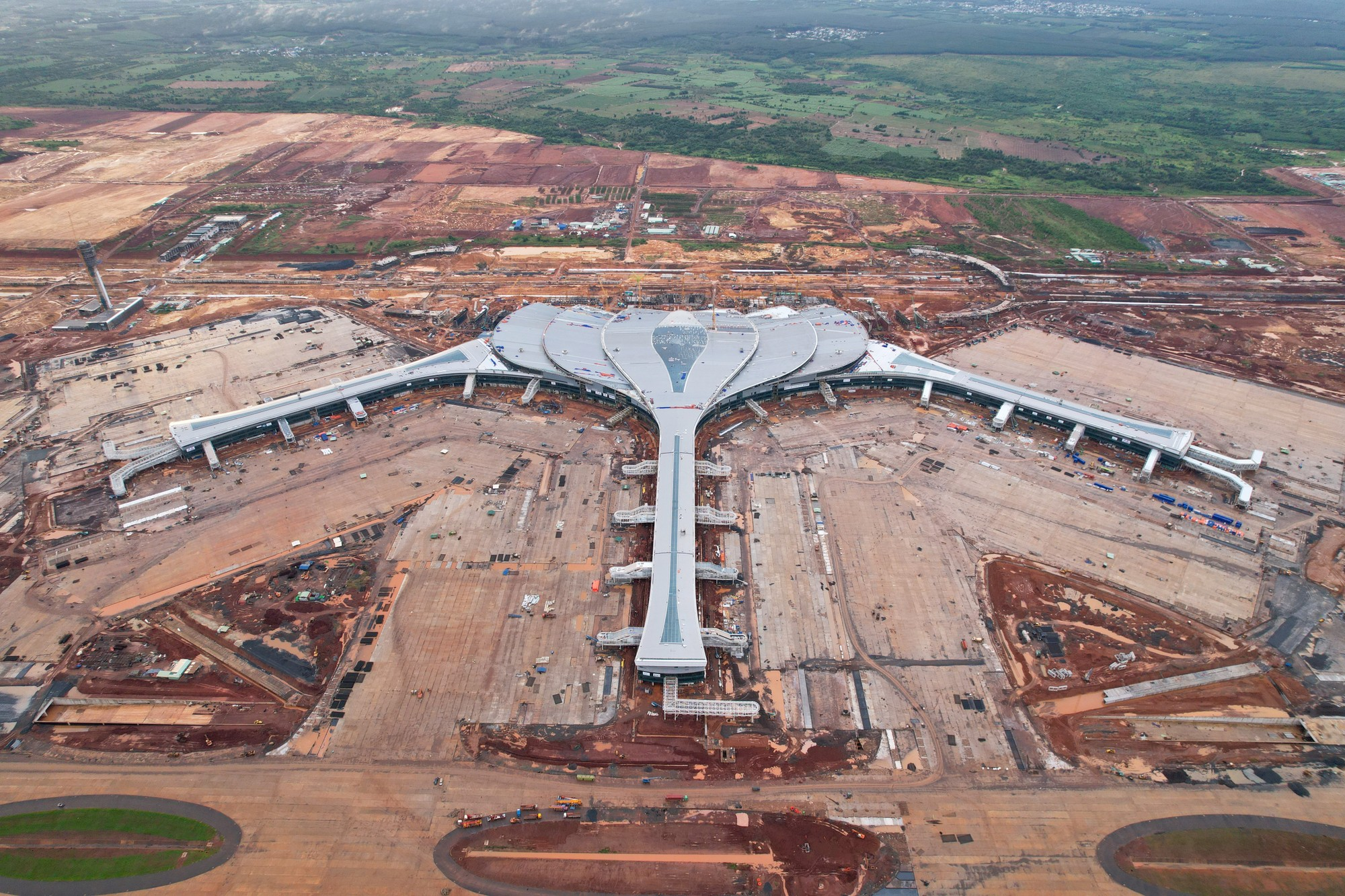
The project is being built in three phases. Phase 1, which is currently under active construction, includes one massive passenger terminal and a 4,000-meter runway capable of handling the Airbus A380 and Boeing 747-8. The goal for this initial phase is a capacity of 25 million passengers per year.
For travelers, this means a few things:
- Reduced Delays: With dedicated approach paths and modern taxiway designs, the "circling in the sky" phenomenon should be drastically reduced.
- Better Connections: The airport is designed as a hub, meaning shorter transit times for those flying from Europe or North America through to Australia or other parts of Asia.
- Improved Amenities: Modern lounges, high-tech baggage systems, and a layout that doesn't require a bus ride from the tarmac to the gate.
The Design: A Lotus in the Field
The aesthetic of the new airport is deeply rooted in Vietnamese culture. The winning design for the terminal is inspired by the lotus flower—Vietnam’s national flower. From an aerial view, the terminal’s roof resembles lotus petals reaching outward.
Inside, the focus is on light and space. The interior architecture aims to reduce the "claustrophobic" feel of older Southeast Asian terminals. Expect high ceilings, indoor greenery, and a heavy emphasis on digital self-service kiosks to speed up the check-in process.

The Logistics: Getting to Ho Chi Minh City
The biggest concern for travelers is the distance. Tan Son Nhat is practically in the city, meaning you can be at a cafe in District 1 within 30 to 45 minutes of clearing customs if traffic is on your side.
Long Thanh is a different story. It is roughly 40 kilometers from the city center. To solve this, the Vietnamese government is investing heavily in "synchronous" infrastructure. This includes:
- The Ho Chi Minh City – Long Thanh – Dau Giay Expressway: This is the primary artery connecting the airport to the city.
- The Bien Hoa – Vung Tau Expressway: Providing easier access for those heading straight to the beaches of Vung Tau.
- Dedicated Rail Links: There are long-term plans for a light rail or high-speed train connecting the airport directly to Thu Thiem or the city center, though these may not be fully operational the day the first flight lands.
Currently, the drive from the Long Thanh site to the city center takes about an hour to 90 minutes depending on traffic. Once the new road expansions are complete, the aim is to keep the transit time under an hour for those heading to major hubs like Ben Thanh Market .
What Happens to Tan Son Nhat (SGN)?
A common question is whether SGN will close entirely. The short answer is no. According to current government plans, Tan Son Nhat will remain operational even after Long Thanh opens.
The most likely scenario—and one we’ve seen in cities like Tokyo (Haneda vs. Narita) or Seoul (Gimpo vs. Incheon)—is a split between domestic and international traffic. Long Thanh will likely handle the lion’s share of long-haul international flights and major flag carriers. Tan Son Nhat will likely pivot toward domestic routes and perhaps short-haul regional flights within Southeast Asia.
However, if you are a frequent flyer, this adds a layer of complexity. If your itinerary involves an international arrival at Long Thanh and a domestic connection to Da Nang or Hue from Tan Son Nhat, you will need to account for a significant transfer time between the two airports.
Preparing for the Shift
The Airports Corporation of Vietnam (ACV) is currently pushing for a completion date for Phase 1 in 2026. As with any mega-project of this scale, timelines can be fluid, but the construction of the terminal building and the runway is now visible from the air and progressing rapidly.
If you’re planning a trip to Vietnam soon, even before the new airport opens, ensuring you have a Vietnam eSIM is the easiest way to navigate the current chaos of Tan Son Nhat’s arrival hall and stay connected while you figure out your transit to the city.
The Impact on Flight Tracking
From a flight-tracking perspective, the opening of VVLT will be a major event. We expect to see new flight paths established over Dong Nai and a shift in how airlines schedule their "slots" in Southern Vietnam.
For travelers using PingWing, this means more reliable data. When an airport isn't over capacity, flight schedules become more predictable, and the data regarding delays becomes more actionable. You won't just see that your flight is delayed; you'll see a streamlined flow of traffic that makes your travel day significantly less stressful.
The Bottom Line
Long Thanh International Airport is more than just a construction project; it is a signal of Vietnam’s intent to become a premier global travel hub. While the distance from the city might seem like a drawback initially, the relief it will provide to the congested skies over Ho Chi Minh City is overdue.
As we move toward 2026, keep an eye on the progress of the "Lotus." It’s set to change the way we experience one of the most vibrant regions in the world. Whether you are flying for business or heading to the highlands of Da Lat, your journey through Southern Vietnam is about to get a lot smoother.