Forget the Taxi: How Mumbai Metro Line 3 Finally Connects the Citys Best Kept Secrets
With the full commissioning of the Aqua Line this month, travelers can finally reach South Mumbais heritage pockets without the 2-hour traffic nightmare.
Forget the Taxi: How Mumbai Metro Line 3 Finally Connects the City’s Best Kept Secrets
I once spent three hours in the back of a premier Padmini taxi—those iconic black-and-yellow "kaali-peelis"—trying to get from Chhatrapati Shivaji Maharaj International Airport (BOM) to a dinner meeting in Colaba. It was raining, the Western Express Highway was a parking lot, and my driver, a stoic man named Suresh, simply turned off the engine and started reading a newspaper. That is the Mumbai many of us have lived with for decades: a city of incredible dreams and impossible distances.
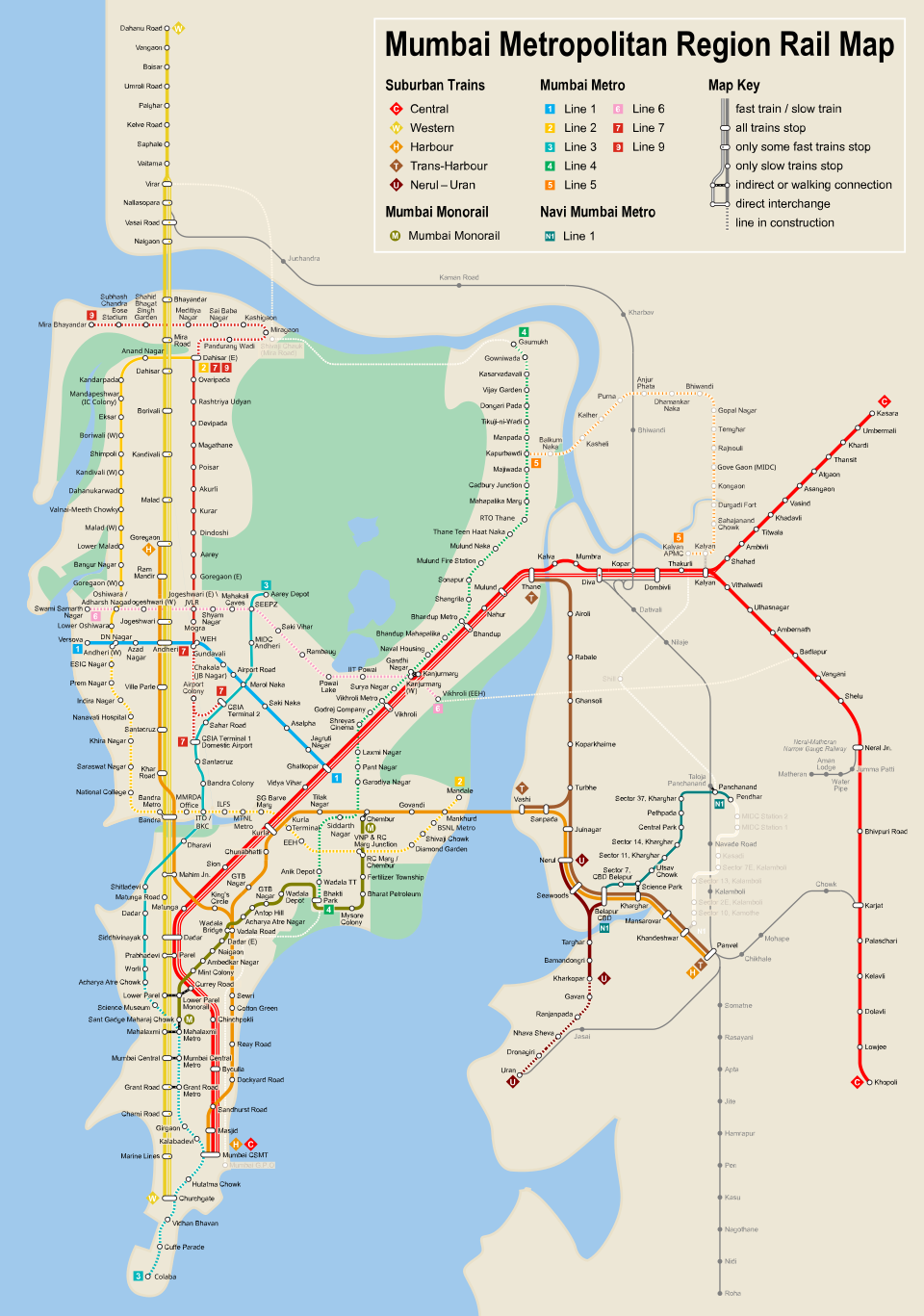
But as of late February 2026, that version of Mumbai is officially a relic of the past. With the final phase of Mumbai Metro Line 3 (the Aqua Line) now fully operational from BKC down to Cuffe Parade, the city’s historic core has finally been cracked open. We aren't just talking about a new train line; we’re talking about the liberation of South Mumbai’s heritage pockets from the 2-hour traffic nightmare that used to guard them.
If you’re landing at BOM this month, ignore the siren song of the Uber lounge for a moment. Here is how the full commissioning of Line 3 changes the way you should experience India’s maximum city.
The End of the "SoBo" Tax
For years, staying in South Bombay (SoBo) as a business traveler or a tourist felt like a logistical tax. You either stayed near the airport in Sahar to be safe for your flight, or you braved the sea link and the subsequent bottleneck at Worli to enjoy the Victorian Gothic architecture and the art galleries.
Now, the Aqua Line acts as a subterranean bypass. You can hop on at the CSMIA International station and reach the heritage district of Kala Ghoda or the business hub of Vidhan Bhavan in under 50 minutes. It makes "popping down to the Gateway of India" a legitimate afternoon plan rather than a day-long expedition.
But the real magic isn't in the speed—it’s in the access to the "best-kept secrets" that were previously too annoying to reach.
The Girgaon Stop: Beyond the Chowpatty
Most tourists see Girgaon Chowpatty from the window of a car on Marine Drive. They see the sand, the Ferris wheels, and maybe grab a kulfi. But the Girgaon Metro station drops you into the heart of one of Mumbai's oldest residential neighborhoods.
A five-minute walk from the station takes you to Khotachiwadi, a 200-year-old East Indian village tucked away in the urban sprawl. It’s a maze of brightly colored wooden houses with open verandas and external staircases. Before the metro, getting here meant navigating a labyrinth of one-way streets that would confuse even the most seasoned GPS. Now, it’s a lifestyle stop.
Pro Tip: Don't just look at the houses. Look for the small signage for local home-run kitchens serving authentic Pathare Prabhu cuisine—a seafood-heavy menu you won't find in the glitzy restaurants of BKC.
The Art Deco Underground
Mumbai has the second-largest collection of Art Deco buildings in the world, trailing only Miami. Most of this is concentrated along Marine Drive and around the Oval Maidan.
Here is a counterintuitive tip: the best way to see this isn't to walk the promenade at sunset when it’s crowded with half the city’s population. Instead, take the metro to the Churchgate (Ahilyabai Holkar Chowk) station. The station itself is a marvel, but when you surface, you are positioned perfectly to walk backwards toward the sea through the narrow lanes of Eros Cinema and the various "Chambers" (like Empress Court).
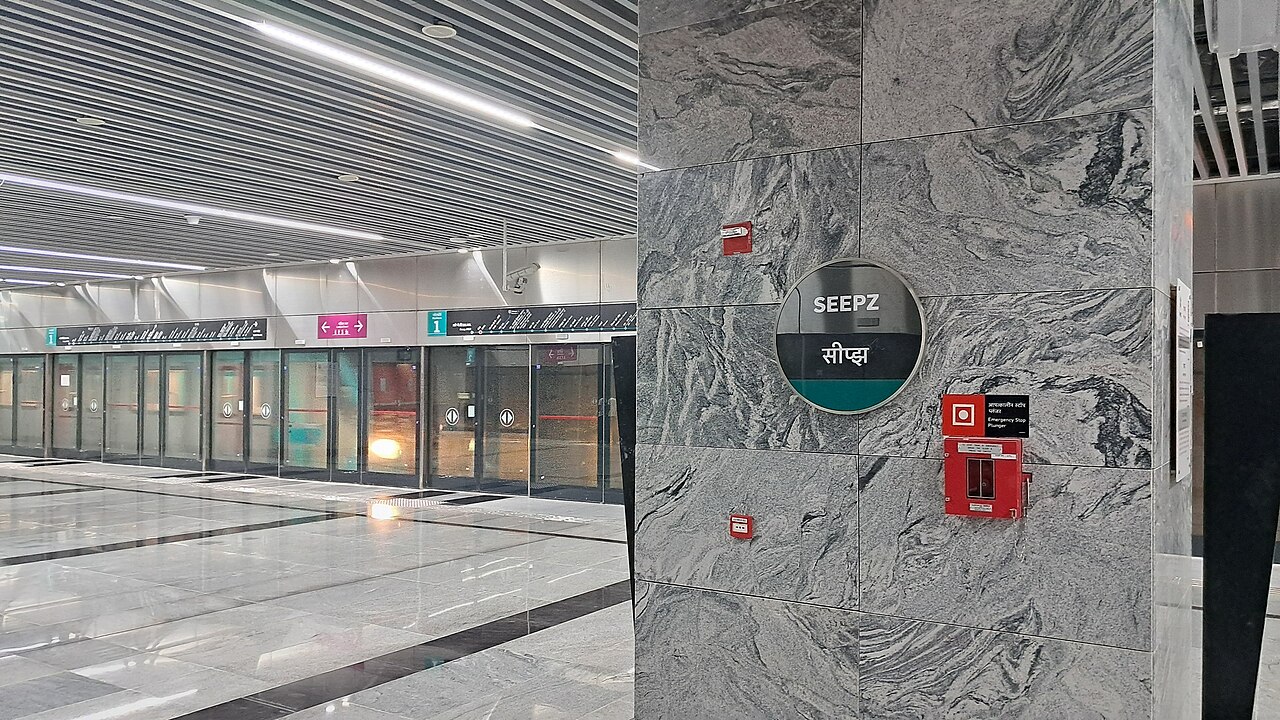
You get to see the nautical motifs and the tropical imagery of the architecture without the roar of traffic constantly in your ear. The underground stations of Line 3 have actually been designed to reflect the aesthetic of the neighborhoods above—pay attention to the wall art at the CSMT station, which pays homage to the UNESCO World Heritage terminal nearby.
The Connectivity Reality Check
While the metro is a game-changer, Mumbai is still a city that demands you stay nimble. The "last mile" in South Mumbai is still dominated by walking or short taxi hops because, unlike the suburbs, auto-rickshaws are prohibited in the city center.
When you emerge from the air-conditioned bliss of the Aqua Line, the humidity and the sheer sensory overload of Mumbai will hit you. You'll need your maps, you'll need to call your hotel, and you'll definitely need to check if your flight out of BOM is on time. Since you'll likely be hopping between underground tunnels and high-rise districts, having a reliable local data connection is non-negotiable to avoid the "searching for signal" battery drain. Before you even leave the airport terminal, make sure you grab an India eSIM so you aren't hunting for a local SIM kiosk while trying to figure out which metro exit leads to the David Sassoon Library.
The BKC Transition: Why You Should Still Care
Even if you are a die-hard heritage lover, you will likely find yourself in BKC (Bandra Kurla Complex) at some point. It’s the city’s new financial heart and home to the best high-end dining.
Previously, the "crossover" from the old world (Colaba) to the new world (BKC) was the most painful part of a Mumbai trip. The Aqua Line has turned this into a 20-minute breeze. You can spend your morning at the Prince of Wales Museum (CSMVS), take the metro from Hutatma Chowk to BKC for a world-class lunch at a place like O Pedro or Indian Accent, and be back in time for a sundowner at a rooftop bar in Apollo Bunder.
A Note on the "Local" vs. the "Metro"
I’ve had travelers ask me, "If I take the Metro, am I missing the 'real' Mumbai experience of the Local Train?"
My honest answer: The Local Train (the Western and Central lines) is the soul of the city, but it is an endurance sport. If you want to see the "spirit of Mumbai," go to Churchgate at 6 PM and watch the sea of humanity. But if you want to actually see the city without being squeezed into a corner, take the Aqua Line.
The Metro Line 3 is deep—some stations are 25 meters underground. It is quiet, it is incredibly clean (for now), and it represents a version of Mumbai that is finally looking toward the future. It’s the difference between surviving the city and actually enjoying it.
The Logistics of the Aqua Line
If you're planning your first trip on the fully commissioned line, here are the practicalities:
- Operating Hours: Typically 6:00 AM to 11:00 PM.
- Ticketing: You can use the "Chalo" app or buy a National Common Mobility Card (NCMC) at any station. Don't bother with single-trip paper tickets; the queues can be frustrating.
- Airport Access: The stations are "CSMIA T1" and "CSMIA T2." Make sure you know which terminal your airline uses. Most international flights and major domestic carriers (Air India, Vistara) use T2.
Changing the Way We Fly Into Mumbai
The opening of the full Aqua Line changes my entire strategy for flight selection. I used to avoid landing at BOM during peak hours (8 AM - 11 AM or 5 PM - 8 PM) because I knew the taxi ride would kill my day. Now, those "bad" landing slots are perfectly fine.
I can land at 6 PM, be on the metro by 6:45 PM, and be checking into a hotel in the Fort area by 7:45 PM. That was physically impossible two years ago.
Mumbai has always been a city of layers—the colonial history, the Bollywood glamour, the street food grit. For the longest time, those layers were separated by a thick crust of gridlocked traffic. The Aqua Line hasn't just added a new layer; it’s finally connected the ones we already loved.
Next time you’re at the airport, look past the taxi line. The best parts of the city are now just a few stops away, buried deep beneath the chaos, waiting to be rediscovered. And if you’re worried about timing your trek back to catch your flight, you can always keep an eye on your departure via PingWing to ensure you spend every last minute exploring the hidden cafes of SoBo rather than sitting in an airport lounge.