
Embraer’s 47% Surge: Why Your Next Regional Flight Might Feel a Lot Newer
Embraer is flooding the market with new jets this quarter—find out which airlines are upgrading their short-haul fleets for the 2026 summer season.
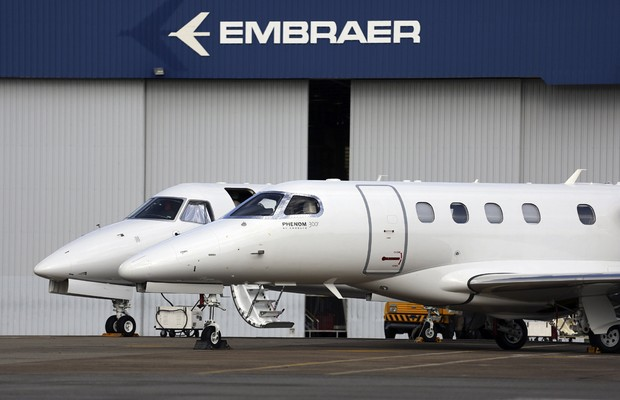
The "new plane smell" is usually reserved for long-haul billionaires or lucky passengers on a maiden A350 voyage across the Atlantic. But according to data released on April 03, 2026, by AIN Online, Embraer reported a staggering 47% year-over-year increase in aircraft deliveries for Q1 2026. This isn't just a win for the Brazilian aerospace giant; it’s a massive win for anyone tired of the cramped, noisy, "puddle-jumper" experience that has defined regional travel for decades.
If you’re flying between secondary cities this summer—think Austin to Cincinnati, or Lyon to Madrid—there is a nearly 50% higher chance your aircraft was built in the last few months. This influx of fresh metal, specifically the E2 "Profit Hunter" series, is fundamentally changing what a "short" flight feels like.
The Death of the Middle Seat
The most significant upgrade isn't the avionics or the fuel efficiency—though those are great for the airline’s bottom line. For you, the passenger, the Embraer surge means the slow death of the middle seat.
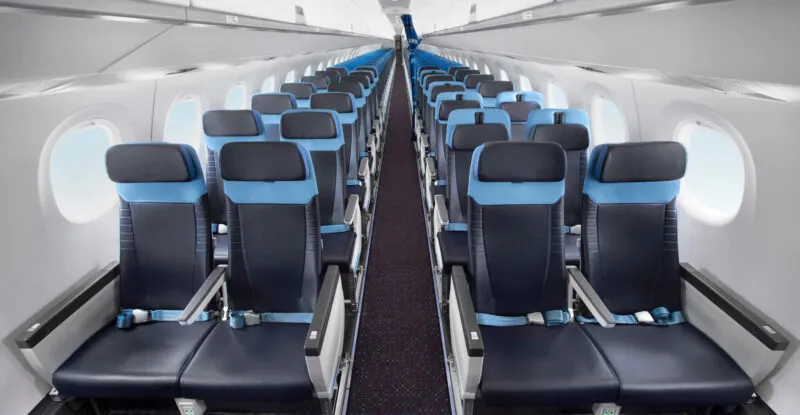
Unlike the Boeing 737 or Airbus A320 families that dominate the skies with their 3-3 configuration, the Embraer E-Jet family uses a 2-2 layout. When Embraer ramps up deliveries by 47%, they are effectively flooding the market with "guaranteed" window or aisle access. There is no "stuck in the middle" on an E195-E2.
Who is Getting the New Toys?
The 47% surge isn't distributed equally. A few specific carriers are aggressively refreshing their fleets for the 2026 summer season.
- Porter Airlines: This Canadian carrier has been the poster child for the E2 revolution. They’ve been using these jets to expand far beyond their original base at Billy Bishop, now running transcontinental routes from Toronto Pearson. If you're heading to grab a peameal bacon sandwich at St. Lawrence Market , there's a high probability you'll be on a brand-new E195-E2.
- United Express & American Eagle: While "scope clauses" in the US often limit the size of regional jets, the Q1 surge includes a massive refresh of the E175 fleet. These aren't the E2s, but they are factory-fresh versions of the world's most comfortable regional jet, replacing aging CRJ-200s that should have been retired during the Obama administration.
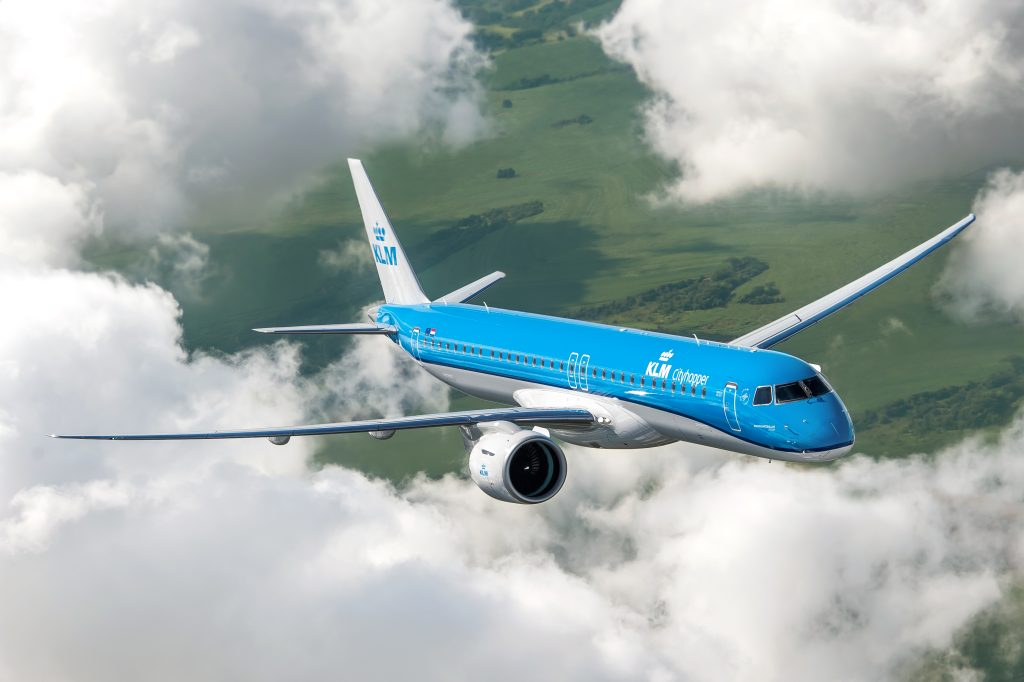
- KLM Cityhopper & Helvetic Airways: In Europe, the E2 is becoming the backbone of "hub-and-spoke" feeder flights. These new jets are significantly quieter—up to 65% quieter than previous generations—which matters when you’re landing at noise-sensitive airports like London City (LCY).
The Surprising Truth About "Regional" Range
Here is something most travelers don't realize: the "regional" label is now a lie. The latest Embraer E195-E2 has a range of roughly 2,600 nautical miles. That means airlines are now using these "small" planes for five-hour hauls.
I recently saw an E2 route from the East Coast to the West Coast that traditionally would have been flown by a 737. On paper, a smaller plane for a longer flight sounds like a nightmare. In reality, the E2 cabin is pressurized to a lower altitude and features much larger windows than an older Boeing. You arrive feeling less like a piece of dried fruit.
However, if you find yourself on one of these longer "regional" hauls, don't rely on the airline's seat-back entertainment—mostly because there isn't any. These planes are designed for weight savings. They have fast Wi-Fi, but you’ll be streaming to your own device. Ensure your connection is secure before you start browsing over the Rockies by using a Secure VPN, especially since airplane Wi-Fi is notoriously easy to spoof.
How to Spot the "New" Flight
You don't need to be a planespotter with a telephoto lens to know if you're on one of these new Q1 deliveries.
- Check the Wingtips: The new E2 series has distinctive, raked wings that look more like a bird’s wing than the traditional "winglets" that point straight up.
- The "Quiet" Test: If you’re sitting behind the wing and can still hear your own thoughts during takeoff, you’re likely on a new delivery. The Pratt & Whitney GTF engines on the 2026 models are eerily silent.
- The PingWing Trick: Use the PingWing app to track the incoming flight for your tail number. If the "Aircraft Age" field shows 0.2 years, you're on one of the planes that contributed to that 47% surge.
The Logistics of the New Regional Reality
With more regional jets flying longer routes to smaller airports, your ground logistics change. If you're flying a new E2 into a place like Redmond, Oregon, to visit the shops near Drake Park , you might find that car rental supplies haven't kept up with the increased passenger capacity these larger E-Jets bring.
Whenever I fly into a secondary airport on a high-capacity regional jet, I book a rental car at least two weeks in advance. Being on a "new, modern" plane doesn't help if you're stuck at a terminal with three available sedans and forty people in line behind you.
A Counterintuitive Tip: The Noise Paradox
Here’s the surprising downside of these brand-new, ultra-quiet Embraers: because the engines are so silent, you can hear everything in the cabin. On an old, loud MD-80 or a CRJ, the engine drone provides a natural white noise that masks the sound of a crying baby or a passenger three rows back eating corn nuts.
On the new E2s, that white noise is gone. If you’re sensitive to sound, the "newer" flight might actually feel more annoying. I’ve started carrying high-fidelity earplugs specifically for these quieter cabins. It sounds backward, but the quieter the plane, the more you need noise cancellation.
Stay Connected on the Short-Haul
Many of these new deliveries are being deployed on "thin" international routes—think hops between smaller EU countries or cross-border flights into Canada. Because these planes are often used by business travelers, the Wi-Fi is usually decent, but the moment you step off that shiny new jet, your roaming charges will kick in.
If you’re taking advantage of a new regional route to explore somewhere like the cafes near the Old Town Bridge Tower , grab a Europe-specific eSIM before you leave the tarmac. It’s significantly cheaper than the $10-a-day "travel passes" your home carrier wants to sell you.
The "Teething" Risk
While a 47% surge in deliveries is great for fleet age, it does come with a caveat: "teething" issues. New aircraft types, particularly those with high-tech engines like the E2, can sometimes face maintenance delays as crews get used to the new systems.
If you’re booking a critical connection—like a flight to catch a cruise or a wedding—give yourself a wider buffer than usual. If the "new" plane has a sensor glitch, the airline might not have a spare E2 sitting around the hangar yet. It’s always worth checking if your travel insurance covers "mechanical delay" specifically, as some budget policies try to wiggle out of it if the flight is eventually "re-accommodated."
Final Thoughts
The aviation industry usually moves at the speed of a glacier, but a 47% jump in quarterly deliveries is a tectonic shift. We are witnessing the rapid "de-aging" of the regional flight experience.
The next time you look at a flight from a small hub and think, "Ugh, not a tiny plane," take a second look at the equipment. If it’s one of Embraer’s new deliveries, you might actually find it more comfortable than the "big" narrow-body planes we’ve been taught to prefer. The middle seat is dying, the bins are growing, and the "puddle jumper" is finally growing up.
Just remember to bring your own headphones—the silence of a brand-new engine is a lot louder than you think.