
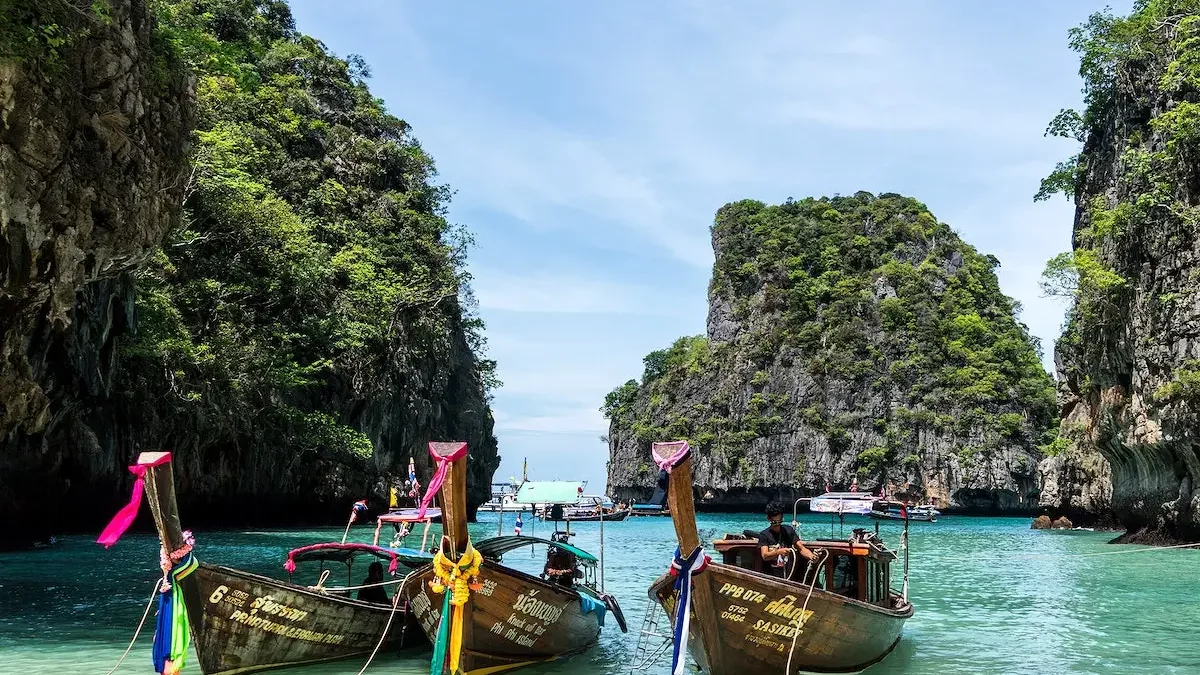
Beyond Bali and Bangkok: 5 Underrated Southeast Asian Gems for Your Next Trip
Escape the crowds of Phuket and Bali with our guide to Southeast Asia's best-kept secrets, from the granite shores of Belitung to the volcanic peaks of Camiguin.
Southeast Asia is a victim of its own success. We’ve all seen the headlines about Maya Bay closing for restoration or the digital nomad congestion in Canggu. For the frequent traveler who has already ticked off the "Big Three"—Thailand, Vietnam, and Indonesia—the region can start to feel a bit like a well-trodden theme park.
But the magic of Southeast Asia hasn't disappeared; it has just moved. If you are willing to add one extra connection to your flight itinerary or endure a four-hour van ride, you can still find empty white-sand beaches, misty mountain villages, and authentic local culture without a selfie stick in sight.
Here are five underrated Southeast Asian destinations that offer a respite from the crowds, along with the practical logistics of how to get there.
1. Belitung, Indonesia: The "Other" Island
While everyone else is fighting for a sunset spot in Uluwatu, savvy travelers are heading to Belitung. Located off the eastern coast of Sumatra, this island is famous among Indonesians (thanks to the book and film Laskar Pelangi) but remains largely off the radar for international tourists.
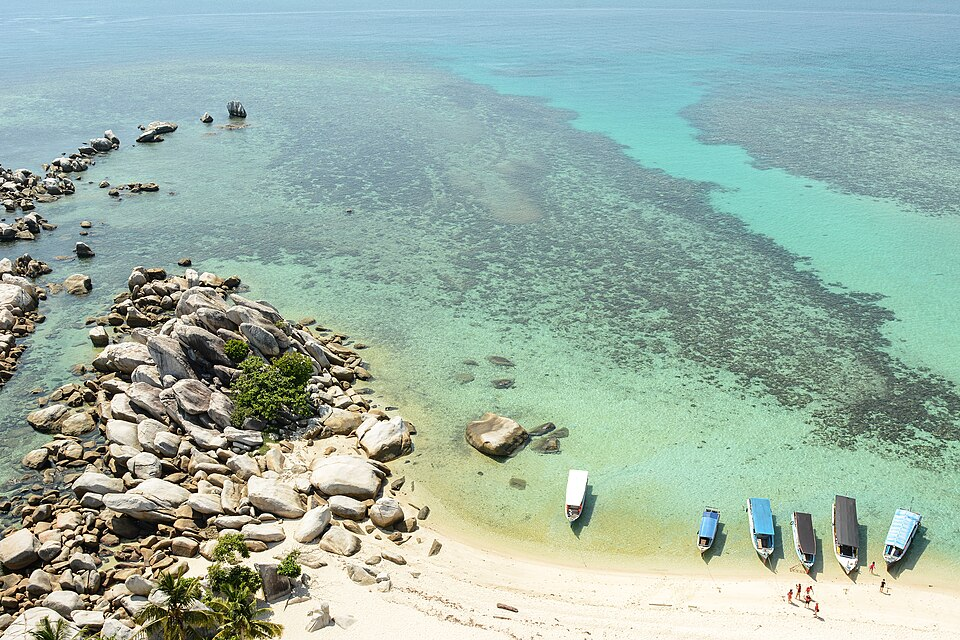
The landscape here is surreal. Instead of the volcanic black sand of Bali, you’ll find blindingly white sand and massive, smooth granite boulders that look like they were dropped into the turquoise water by giants.
What to see and do: The highlight is "island hopping" in the northwest. Rent a local boat to take you to Lengkuas Island , where you can climb a 19th-century Dutch lighthouse for a 360-degree view of the archipelago. Back on the mainland, visit the Kaolin Lake , an abandoned clay mine that has filled with bright blue water, creating a stark, lunar landscape.
How to get there: You won't find many direct international flights here. The most efficient route is to fly into Jakarta (CGK) and then take a short 45-minute domestic flight to Tanjung Pandan (TJQ). Airlines like Batik Air, Citilink, and Sriwijaya Air run this route daily. Since you’ll be switching from a major international hub to a domestic carrier, use PingWing to track your connecting flight and stay updated on gate changes or delays in Jakarta.
Pro tip: Connectivity can be spotty in the more remote parts of the island. Picking up a local Indonesia eSIM before you land ensures you can use Grab (the local Uber) to get around the main town.
2. Nong Khiaw, Laos: Karst Mountains and Quiet Rivers
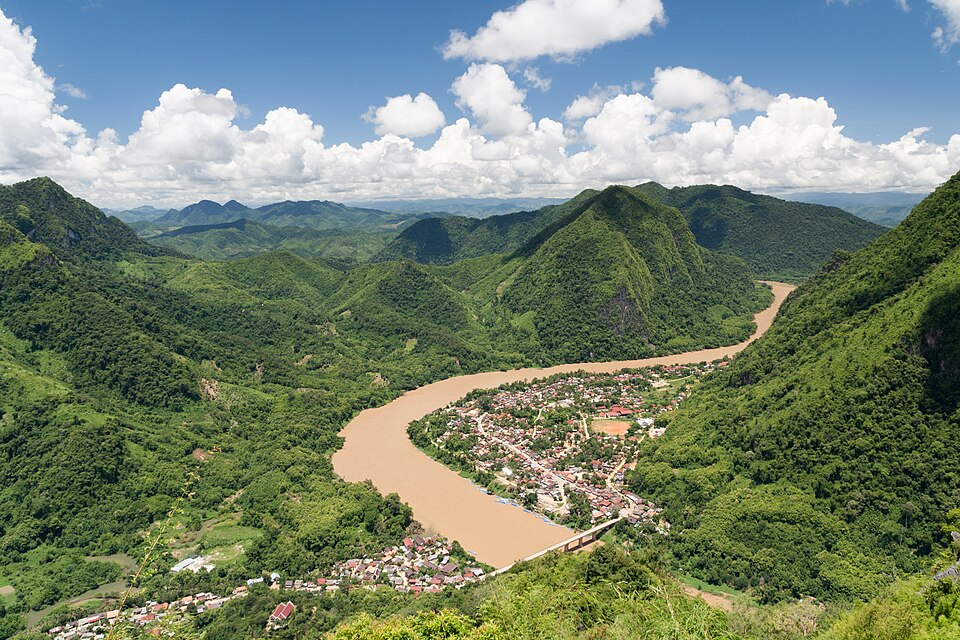
Luang Prabang is beautiful, but it can feel curated. If you want the raw, rugged beauty of Laos, head three hours north to Nong Khiaw. This small town sits on the banks of the Nam Ou River, surrounded by some of the most dramatic limestone karst mountains in the region.
What to see and do: This is a hiker’s paradise. The Phadeng Peak Viewpoint offers a grueling 1.5-hour climb, but the reward is a sea of clouds at sunrise. For something more relaxed, take a longtail boat further upriver to Muang Ngoy, a village that was only recently connected to the electricity grid and is accessible only by water.
How to get there: Fly into Luang Prabang (LPQ). From there, you have two choices: a private car (about $60–$80) or a shared minivan from the Northern Bus Station . The road is notoriously windy, so if you’re prone to motion sickness, the private car is worth the investment.
3. Koh Kood, Thailand: The Last "Unspoiled" Island
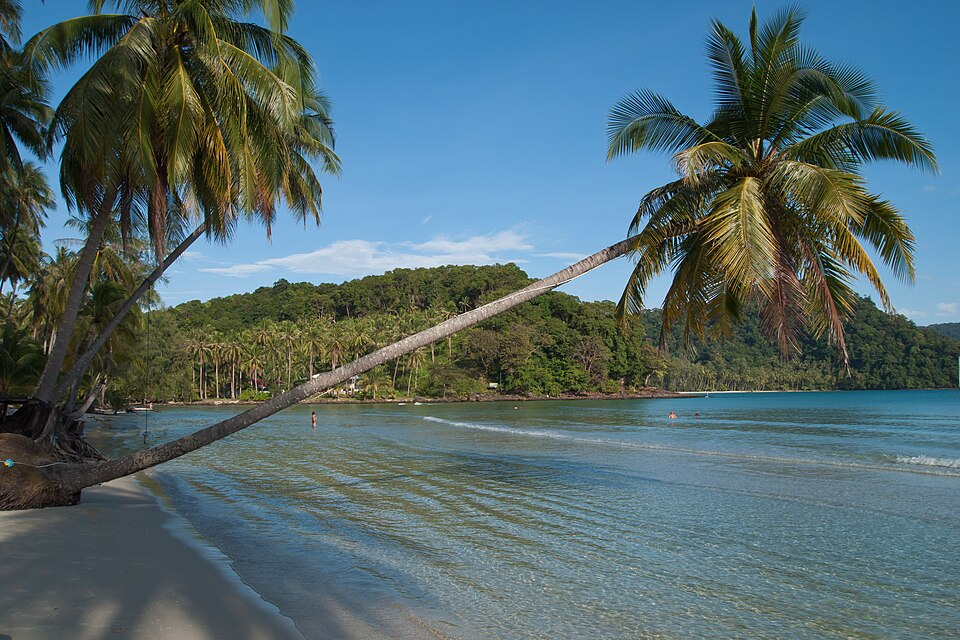
It’s a bold claim to call any Thai island "unspoiled," but Koh Kood (also spelled Koh Kut) comes close. Located near the Cambodian border, it is Thailand’s fourth-largest island but remains remarkably undeveloped. There are no 7-Elevens, no late-night full-moon parties, and very few cars.
What to see and do: Koh Kood is about slowing down. Rent a scooter and explore the empty coastal roads. Visit the Klong Chao Waterfall for a freshwater swim, or spend the afternoon at Ao Tapao Beach . The water here is as clear as anything you’ll find in the Maldives, but at a fraction of the price.
How to get there: The journey is a bit of a mission, which is exactly why the crowds stay away. You can fly from Bangkok (BKK) to Trat (TDX) on Bangkok Airways—though this is often expensive as they own the airport. Alternatively, take a 5-hour bus or private transfer from Bangkok to the Laem Sok Pier , followed by a 1-hour high-speed ferry. Companies like Boonsiri High Speed Ferries offer combined bus+ferry tickets that make the transition seamless.
4. Camiguin, Philippines: The Island Born of Fire
The Philippines has over 7,000 islands, so it’s easy to escape the crowds of Boracay or El Nido. Camiguin, located in the Bohol Sea, has more volcanoes per square kilometer than any other island on Earth. This volcanic activity has created a landscape of hot springs, cold springs, and black sand beaches.
What to see and do: Don't miss the Sunken Cemetery , where a large cross marks a graveyard that slid into the sea during a volcanic eruption in the 1870s. You can snorkel over the old tombstones, which are now covered in coral. For a classic beach experience, take a 10-minute boat ride to White Island , a sandbar that completely disappears during high tide.
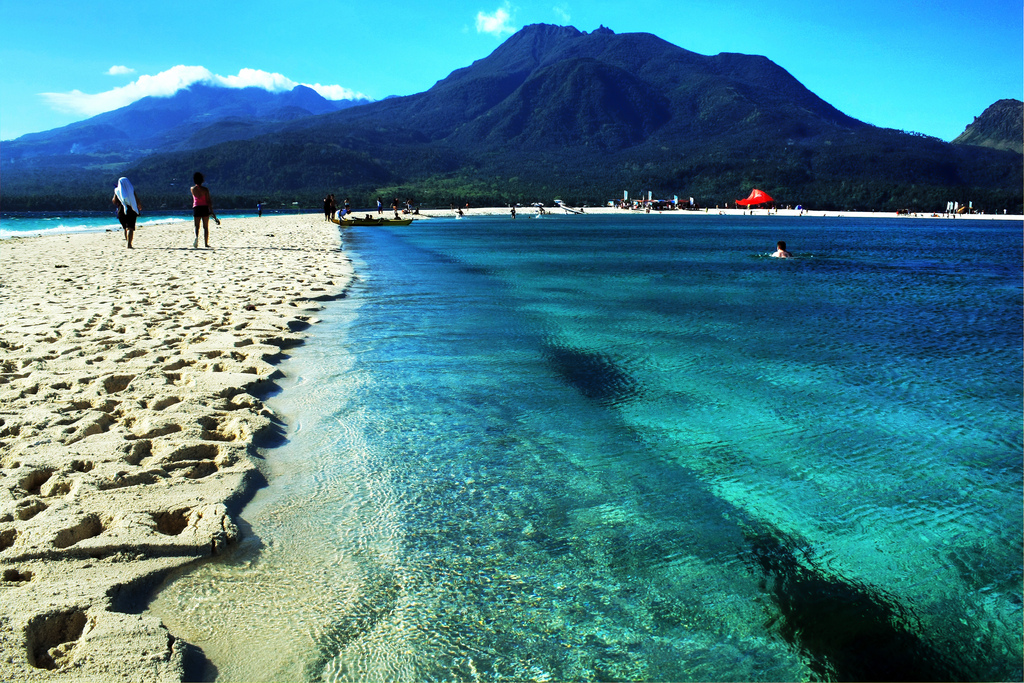
How to get there: There are direct flights to Camiguin (CGM) from Cebu (CEB) via Cebgo or Philippine Airlines. If you are coming from Manila, you’ll usually need to connect in Cebu. If you find yourself stuck with a long layover at Cebu-Mactan International Airport, check if your credit card grants you access to the Plaza Premium Lounge to recharge before the final leg.
5. Mondulkiri, Cambodia: The Wild East
Most travelers to Cambodia never make it past Siem Reap or Phnom Penh. But the eastern province of Mondulkiri offers a completely different side of the country: rolling grassy hills, pine forests, and a much cooler climate than the humid lowlands.
What to see and do: Mondulkiri is the heart of Cambodia’s elephant conservation efforts. The Elephant Valley Project allows visitors to observe elephants in their natural habitat without the unethical riding or bathing practices found elsewhere. Also, make sure to visit the Bousra Waterfall , a massive double-drop falls that is the largest in Cambodia.
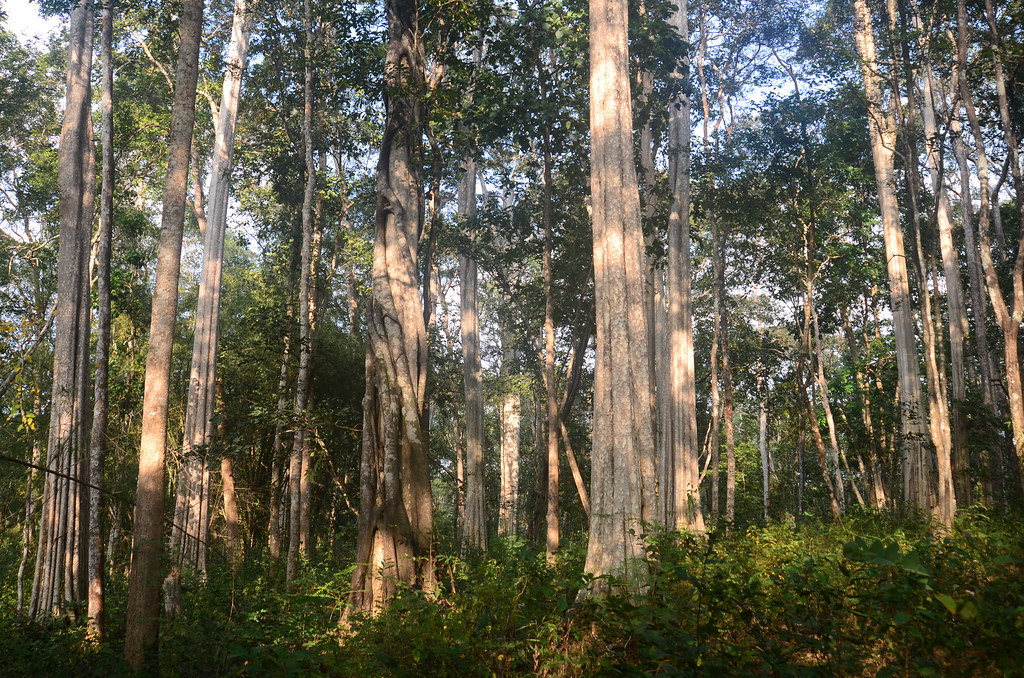
How to get there: There are no commercial airports in Mondulkiri yet. You’ll need to fly into Phnom Penh (PNH) and then take a 5-to-6-hour van or private car. Several reliable van companies like Virak Buntham or Kim Seng Express run daily routes from the capital.
Practical Tips for the Off-Beaten-Path Traveler
1. Logistics and Connectivity When you leave the major hubs, English is less common and logistics are more "fluid." Having a working data connection is non-negotiable for translating menus or using maps. Instead of hunting for a physical SIM card at a tiny rural kiosk, it's much easier to set up a regional Asia eSIM before you depart. This covers you across multiple countries, which is perfect if you’re hopping from Thailand to Laos or Cambodia.
2. Transport Within Destinations In places like Koh Kood or Belitung, public transport is non-existent. You will almost certainly need to rent a scooter. If you aren't comfortable on two wheels, many of these places allow you to hire a "car and driver" for the day for around $40–$60. This is often safer and more informative, as the drivers usually act as unofficial guides.
3. Health and Safety Remote areas mean you are further from international-standard hospitals. While Southeast Asia is generally very safe, a simple motorbike scrape or a bout of "Bali Belly" in a rural village can become a major headache. Always ensure you have comprehensive travel insurance that includes medical evacuation coverage—just in case.
4. Booking Flights Since many of these destinations require domestic connections on low-cost carriers (LCCs), booking can be tricky. Use a flexible flight search tool to find the best combinations of international and domestic legs. Often, it’s cheaper to book your long-haul flight to a hub like Singapore or Bangkok separately from your regional hopper.
Traveling to the lesser-known corners of Southeast Asia requires a bit more effort, but the payoff is a travel experience that feels like a genuine adventure rather than a guided tour. Just remember to pack your patience—and a good flight tracker.