

Air India’s New Bengaluru Hub: A Game Changer for Connecting Flights to SE Asia
A major new connecting hub has just been established in Southern India, promising faster transit times and more competitive pricing for travelers heading to Thailand, Vietnam, and beyond.
Bengaluru’s Kempegowda International Airport (BLR) used to be the place where you’d land, fight through the infamous Silk Board traffic, and head to a tech park. By April 2026, it has officially become something else entirely: the primary launchpad for the "New Air India" to dominate the skies between Europe, the Middle East, and Southeast Asia.
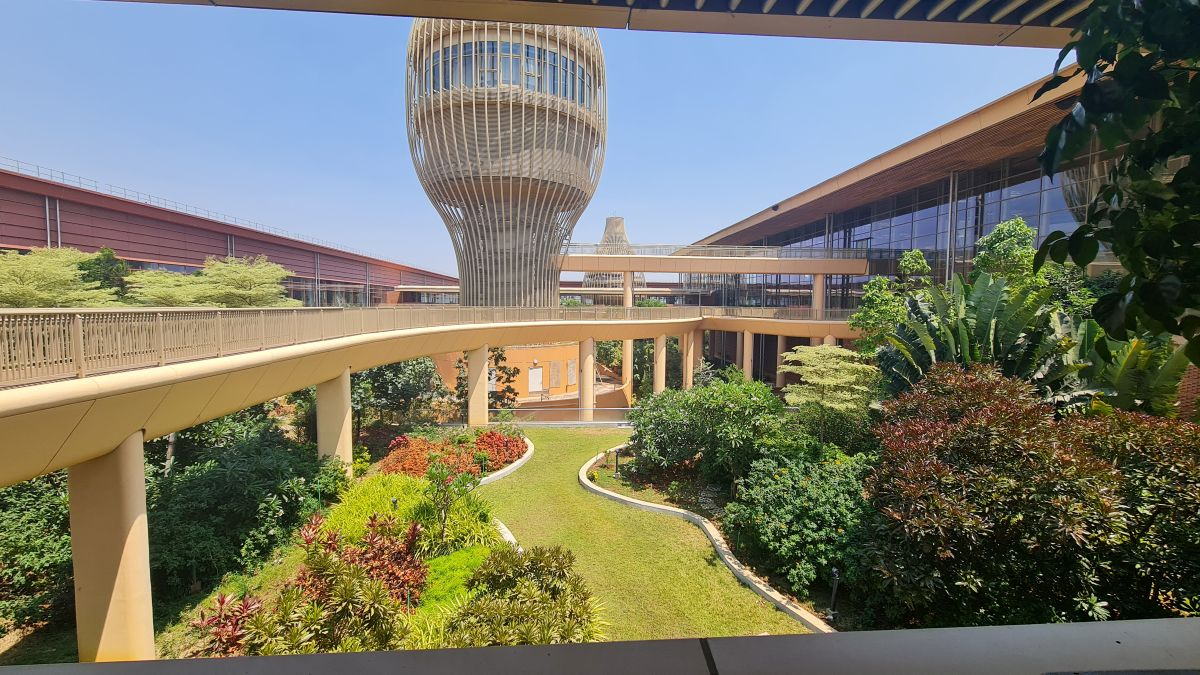
This transformation follows Air India’s landmark announcement in April 2024 to develop a major connecting hub at BLR, a move designed to decentralize Indian aviation away from the perennial bottlenecks of Delhi (DEL) and Mumbai (BOM). For travelers, this isn't just corporate maneuvering. It is a fundamental shift in how you should book your next trip to Bangkok, Hanoi, or Singapore.
The Geography of the "Southern Pivot"
If you look at a map, the logic is brutal and efficient. Flying from London or Dubai to Southeast Asia via Delhi adds unnecessary miles and time. Bengaluru sits further south, cutting the corner. This "Southern Pivot" means shorter flight times and, more importantly, a much higher likelihood of your flight actually departing on time.
Unlike Delhi, which battles crippling winter fog that grounds hundreds of flights annually, Bengaluru’s weather is famously stable. If you are booking a tight connection to Ho Chi Minh City, the reliability of a BLR transit is statistically a safer bet than gambling on a DEL layover in December.
The Terminal 2 Experience: A "Forest" Layover
Most hubs are steel and glass cathedrals of stress. BLR’s Terminal 2—often called the "Terminal in a Garden"—is a genuine anomaly. It is packed with 10,000 square meters of green walls and hanging gardens. If you have a three-hour layover, you aren't just sitting in a plastic chair; you’re effectively in a high-tech conservatory.
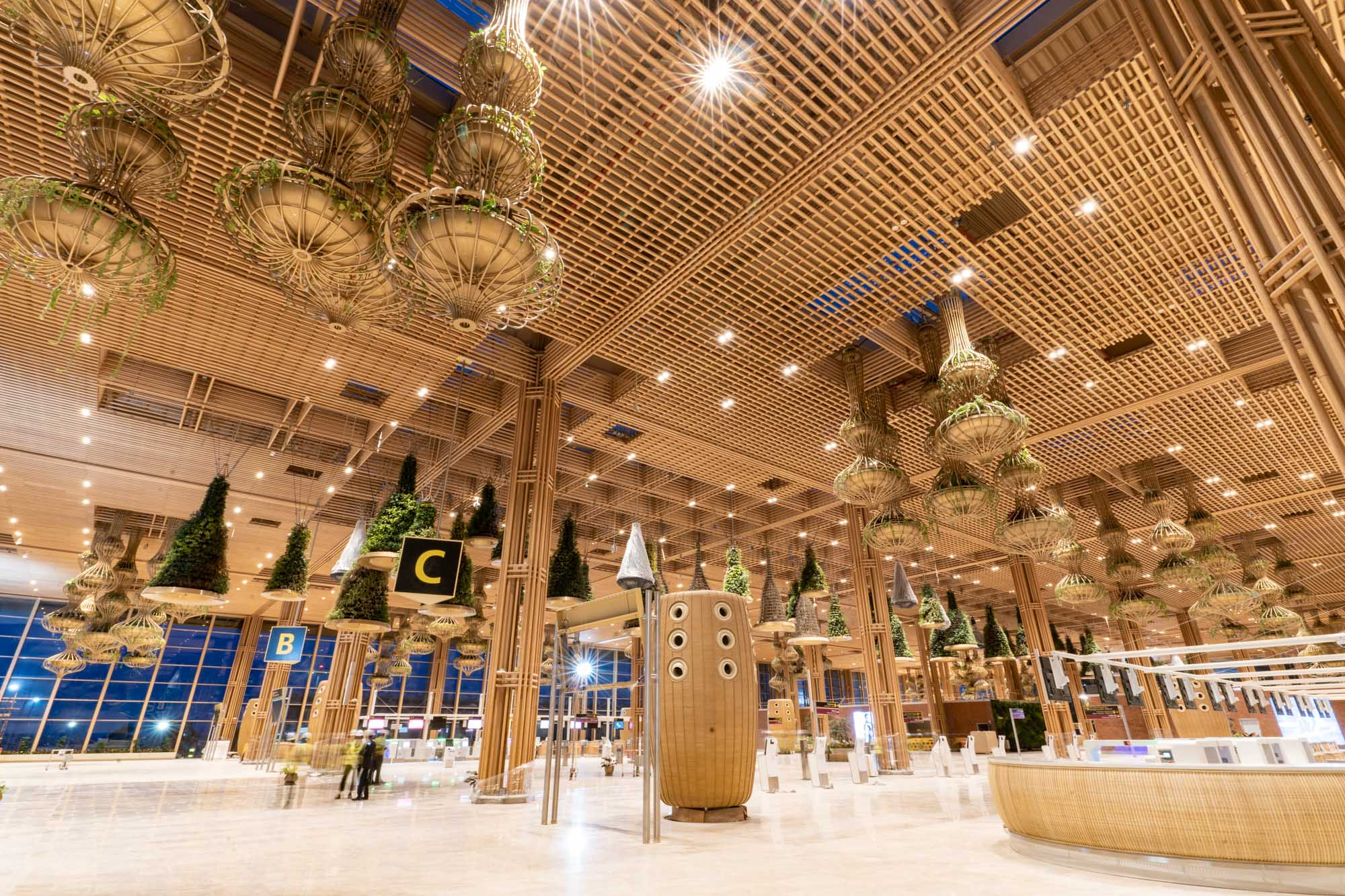
For those with longer layovers who want to escape the airport, the Devanahalli Fort is only a 15-minute drive away. It is a massive, quiet stone fortification where Tipu Sultan was born—a far better use of four hours than scrolling through TikTok at a gate.
Why Vietnam and Thailand are the New Sweet Spots
Air India is aggressively using this hub to undercut the pricing of Singapore Airlines and Thai Airways. By funneling passengers from secondary Indian cities (like Pune, Hyderabad, or Chennai) through the BLR hub, they are creating a "bank" of flights that depart for Southeast Asia in a synchronized wave.
Vietnam is the primary beneficiary. With the surge in business and leisure travel to Da Nang and Ho Chi Minh City, Air India’s BLR hub has dropped transit times to under 10 hours for many Western travelers. If you’re heading to the rice terraces of Sapa or the coffee shops of District 1, grabbing a Vietnam eSIM before you even leave home is the final piece of the "seamless transit" puzzle.
The Counterintuitive Tip: The "Reverse-Hub" Strategy
Here is something most travelers miss: Because Air India is trying to "train" the market to use Bengaluru as a hub, they often price flights from Bengaluru to Southeast Asia significantly lower than flights from Delhi, even if the distance is similar.
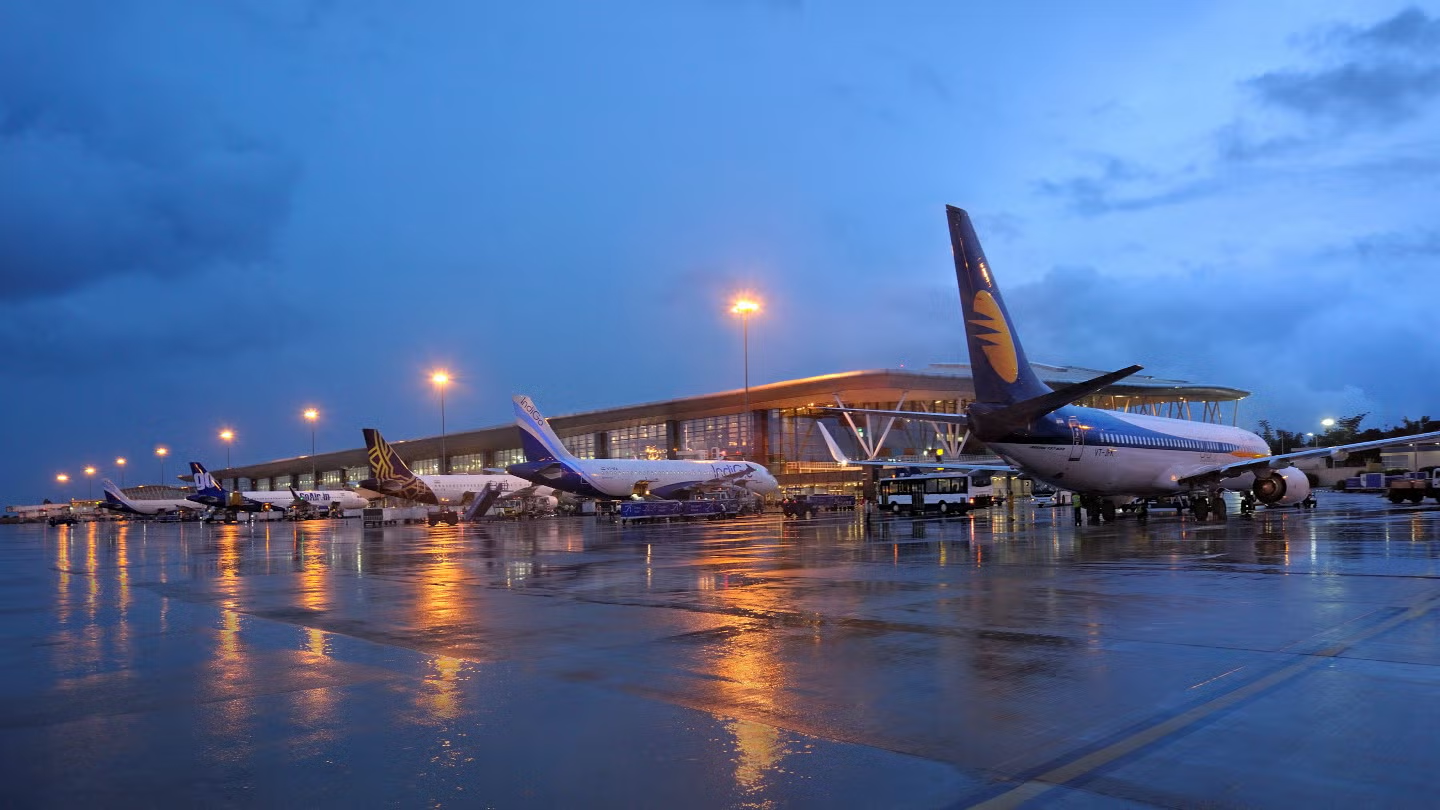
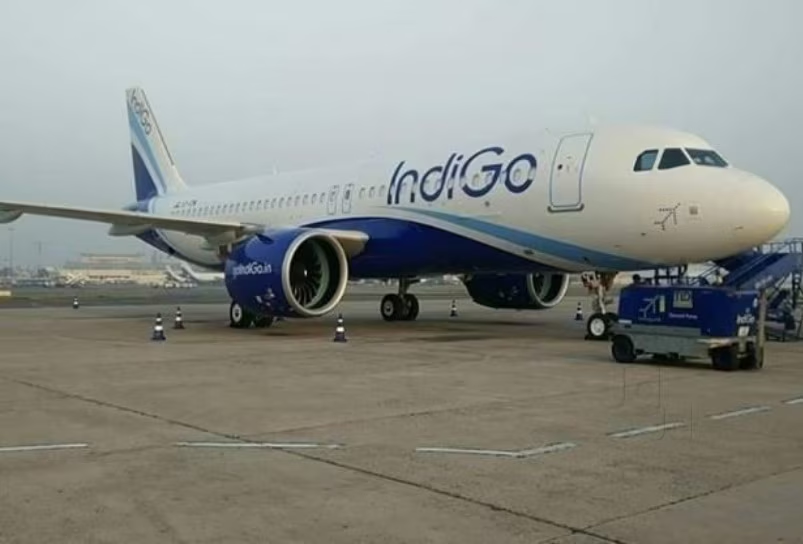
If you find a cheap flight to Bengaluru on a low-cost carrier like IndiGo or Akasa, it is often cheaper to "self-connect" by booking a separate Air India ticket from BLR to your final destination in SE Asia. This is a "Reverse-Hub" strategy. You get to experience the premium T2 terminal, save a few hundred dollars, and avoid the chaotic crowds of the older North Indian hubs.
Connectivity and the "Ghost Transit"
The biggest headache of Indian transit has historically been the "re-check." In the past, connecting from a domestic flight to an international one often meant picking up your bags, exiting the airport, and checking in all over again.
Air India’s partnership with BLR has streamlined this. At Terminal 2, the international and domestic wings are integrated in a way that allows for "Through-Check." Your bags are tagged to your final destination (say, Phuket or Singapore), and you stay within the sterile zone.
Pro Tip: Always double-check your PNR on a real-time tracker like PingWing before you land in BLR. Because the hub is still scaling, gate changes are frequent. T2 is beautiful, but it is massive. Finding out your gate moved from the north pier to the south pier while you’re still in the air can save you a frantic sprint through the indoor forest.
Layovers and Logistics
If your connection is longer than six hours, don't stay in the terminal. The Taj Bangalore is located literally across the street from the arrivals hall. However, if you want a more "local" experience without the five-star price tag, head to the Bhartiya City area. It’s a modern township about 20 minutes away with excellent breweries and cafes that cater to the city's tech crowd.
Bengaluru is the craft beer capital of India. If you have the time, grabbing a pint of local ale is a mandatory rite of passage before you board a flight to a country where the only option might be a generic lager.
The Competitive Pricing War
As of April 2026, the "Air India effect" at BLR has forced competitors to react.
- IndiGo has increased its non-stop flights from BLR to Phuket and Bali to protect its market share.
- Thai Airways has introduced more wide-body aircraft (like the A350) on the BKK-BLR route.
- VietJet is now offering "zero-fare" sales specifically for flights departing from Bengaluru.
For the traveler, this means the "Bengaluru Hub" isn't just about Air India. It’s about the fact that BLR has become a competitive battleground, which almost always results in lower fares for those willing to fly through Southern India.
Staying Online During the Shift
One of the few downsides of transiting through India is the Wi-Fi. Most Indian airports require an Indian SIM card to receive an OTP (One-Time Password) for free Wi-Fi. While BLR has kiosks to help foreigners, they are often understaffed.
If you are a frequent flyer, don't rely on airport Wi-Fi. Using a Secure VPN on your own data connection is the only way to ensure you can actually get work done or check your flight status without your data being harvested by a public hotspot.
What Still Trips People Up
Despite the improvements, the BLR hub isn't perfect. The primary issue is the distance of the airport from the city center. If your connection fails and you need to go into the city, it can take 90 minutes to 2 hours during peak traffic.
Never book a connection in Bengaluru that is less than 90 minutes if you are switching from a domestic airline (like SpiceJet) to an international Air India flight. Even with the new hub status, the "minimum connection time" (MCT) should be treated with respect. If your first flight is delayed by even 20 minutes, the walk between the domestic and international security checkpoints in T2—though beautiful—is long.
The Final Verdict
The establishment of the Bengaluru hub is the most significant change to Indian aviation in a decade. It moves the center of gravity away from the crowded, weather-beaten north and places it in a terminal that actually feels like the future of travel.
Next time you’re looking at a flight to Southeast Asia, don't just default to the usual suspects in the Middle East or the traditional Indian gateways. Filter your search for BLR. You’ll likely find a newer plane, a shorter flight, and a transit through a forest instead of a concrete basement.
The "New Air India" is betting billions that you’ll prefer the Southern route. Based on the current state of Terminal 2, it’s a bet they are likely to win. Just make sure you track your tail number on the way in; the forest is easy to get lost in if you're in a rush.