

Zurich, Singapore, Dubai: Tracking the First International Routes from DXN
While domestic flights start in May, the international "big three" routes are slated for September; here is how to track their progress.
The dust in Jewar is finally settling into something recognizable: a runway. While the aviation world has been buzzing about Noida International Airport (DXN) for years, the timeline is finally concrete. According to recent reports from the Hindustan Times, while domestic operations are scheduled to kick off in May 2026, the real prize—international connectivity to Zurich, Singapore, and Dubai—is slated for September 2026.
For the millions of travelers in Western UP and South Delhi, this isn't just news; it’s a logistics revolution. But a new airport launch is never a straight line. It’s a series of "proving flights," dummy schedules, and regulatory hurdles that you can actually watch in real-time if you know where to look.
Here is how to track the progress of the "Big Three" routes and what to expect when DXN finally goes global.
The Tracking Phase: Watching "Ghost" Flights
Before you can book a ticket to Zurich on a sleek Swiss Air A330, the aircraft has to actually land there first—empty. In the months leading up to September 2026, flight trackers like PingWing will start showing "ghost flights."
These are Proving Flights required by the DGCA (Directorate General of Civil Aviation). Pilots need to calibrate the ILS (Instrument Landing System), and ground crews need to practice docking the jet bridges. If you set a proximity alert for the DXN coordinates, you’ll start seeing non-commercial callsigns appearing on the map.
I’ve seen this happen with every major airport opening from Berlin Brandenburg (BER) to Istanbul (IST). The data doesn’t lie. When you see a flight number like "SWR9001" (a typical test flight format) circling over Greater Noida, you know the September international launch is actually on track.
Zurich (ZRH): The Developer’s Connection
It’s no coincidence that Zurich is on the shortlist. Noida International Airport is being developed by Zurich Airport AG. This creates a "home-court advantage" for Swiss International Air Lines.
Expect the DXN-ZRH route to be the flagship European connection. For travelers, this is a massive win. Zurich (ZRH) is arguably the most efficient transit hub in Europe—it makes Heathrow (LHR) look like a chaotic maze and Charles de Gaulle (CDG) look like a cardio workout you didn't ask for.
If you’re planning to be on those first flights to Switzerland, don't wait for the airport to open to figure out your connectivity. Grab a Switzerland eSIM the moment you book, because the Wi-Fi at ZRH, while good, often requires a SMS code that doesn't always play nice with Indian roaming SIMs.

Once you land, skip the tourist traps around the airport. Take the 10-minute train to the city center and walk down Bahnhofstrasse . It’s one of the world's most expensive shopping streets, but the real secret is the Lindt Home of Chocolate nearby—it’s worth the short detour even if you're a seasoned traveler.
Singapore (SIN): The Business Bridge
Singapore is the logical choice for DXN’s eastern gateway. With the upcoming merger of Vistara and Air India, and Singapore Airlines’ deep interest in the Indian market, the competition for the DXN-SIN route will be fierce.
The Counterintuitive Tip: Most people assume the first month of a new international route will be the most expensive. Actually, the opposite is often true. Airlines frequently "load" these new routes with introductory fares to steal market share from the established Indira Gandhi International (DEL) routes.
Keep an eye on the flight tracker for Singapore Airlines or IndiGo's wide-body intentions. If you see a consistent schedule appear for September 2026, that is your cue to check for "empty plane" syndrome. For the first three weeks of a new route, seat maps are often 40% empty. It is the only time you’ll get a "poor man’s business class"—an entire row of three economy seats to yourself—for the price of a budget ticket.

When you finally touch down at Changi, skip the "Jewel" waterfall for the first hour. Everyone goes there. Instead, head straight to the Old Airport Road Food Centre . It’s where the locals eat, and it’s a much more authentic introduction to the city than a terminal-side shopping mall.
Dubai (DXB): The Ultimate Hub
Dubai is the bread and butter of Indian aviation. It’s the route that pays the bills. Whether it’s Emirates, FlyDubai, or an Indian carrier like Air India Express, the DXN-DXB route will likely be the most frequent international service from the new airport.
Tracking this route will be different. You won’t just see one flight; you’ll see a "shuttle" effect. Because Dubai serves as a massive connector to the US and UK, the timing of these flights is critical. They will likely be "banked"—meaning they’ll depart Noida late at night to catch the 6:00 AM wave of departures from Dubai to New York (JFK) or London.
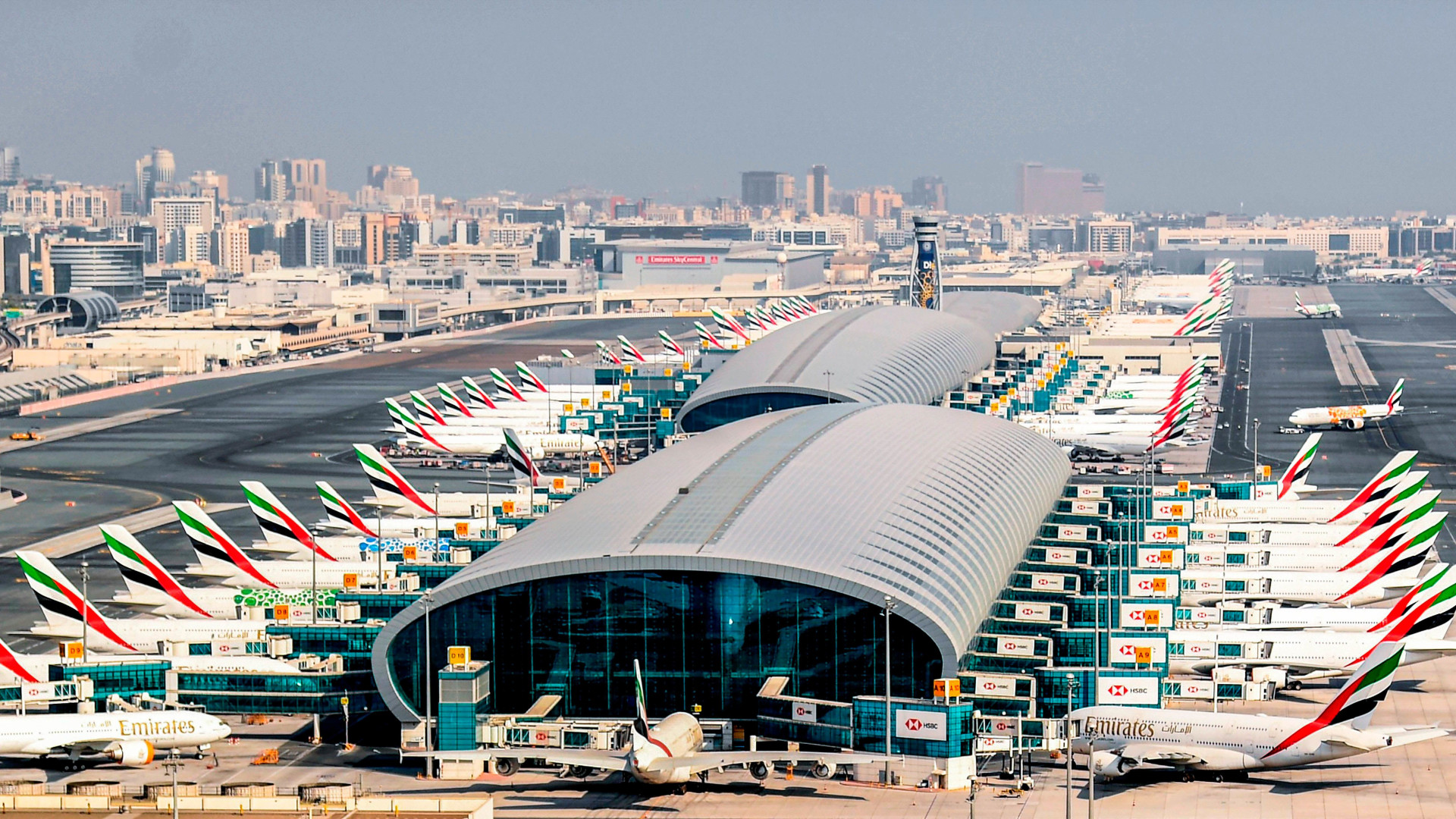
If you’re using DXN to fly to Dubai for a layover, remember that Dubai’s Terminal 3 is massive. If your tracking app shows your incoming flight from Noida is delayed by even 20 minutes, your connection to the West might be at risk. This is where having travel insurance becomes non-negotiable. New airports are notorious for "teething issues" with baggage handling systems and ground power units, which can lead to small delays that snowball into missed connections.
While in Dubai, if you have a long layover, take a taxi to the Al Fahidi Historical Neighbourhood . It’s a glimpse into the city’s pre-skyscraper past and a refreshing break from the sterile environment of the airport.
The "New Airport" Reality Check
Let’s be honest: September 2026 is an ambitious target. Aviation history is littered with airports that "opened" but weren't actually "ready."
When tracking these first international routes, pay attention to the Ground Handling data. An airport can have a beautiful runway, but if the fuel farm isn't fully certified for international long-haul volumes, those flights to Zurich and Singapore will be capped or delayed.
What you can do right now:
- Bookmark the DXN code: Most flight trackers still refer to it as "Noida International" or "Jewar." Start searching for DXN periodically to see when the IATA code is officially integrated into live data streams.
- Monitor the domestic "Beta Test": The May 2026 domestic launch is essentially a four-month beta test for the international launch. If IndiGo and Akasa Air are running smoothly by July, the September international date is likely real.
- Check the "First Flight" Perks: Airlines love the PR of a "First International Flight from [New Airport]." These flights often come with commemorative certificates, better-than-usual catering, and a water cannon salute on the tarmac. If you’re a tail-number spotter or an aviation geek, that September 2026 window is your Super Bowl.
Noida International isn't just a relief valve for Delhi’s IGI; it’s a shift in the gravity of North Indian travel. The ability to bypass the DND Flyway or the Aero City traffic and head straight to a tech-forward terminal in Jewar will change how we plan our trips.
I’ll be watching the radar. When that first Swiss-liveried tail appears over the UP horizon, we’ll know the wait is finally over. For now, keep your tracker open and your eSIM ready. The transition from a construction site to a global hub is the most exciting thing happening in the skies right now.