
The Culinary Soul of Maximum City: 5 Unique Mumbai Food Experiences You Can’t Miss
Beyond the standard Vada Pav lies a complex world of colonial Irani cafes, communal Bohri feasts, and fiery coastal seafood. Here is where to find the real taste of Mumbai.
Mumbai is often described as "Maximum City," a title that usually refers to its density, its pace, and its chaotic energy. But for the frequent traveler, Mumbai’s "maximum" nature is best experienced through its plate. This isn’t a city of a single cuisine; it is a culinary tectonic plate where colonial Parsi history, indigenous Maharashtrian flavors, and the spice-heavy traditions of coastal immigrants collide.
If you are landing at Chhatrapati Shivaji Maharaj International Airport (BOM) and looking for more than just a generic hotel buffet, you need to head into the heart of the city’s neighborhoods. From the fading grandeur of South Bombay’s Irani cafes to the narrow, aromatic lanes of Bohri Mohalla, here are the most unique food experiences that define Mumbai today.
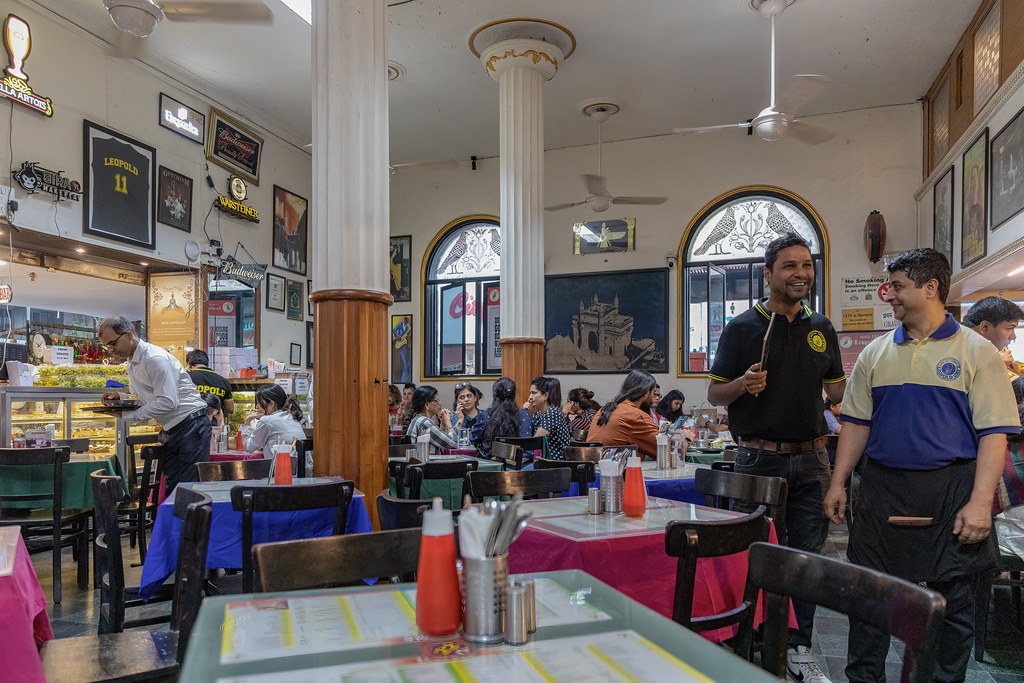
1. The Time-Capsule Charm of Irani Cafes
In the early 20th century, there were hundreds of Irani cafes across Mumbai, founded by Zoroastrian and Shia immigrants from Iran. Today, fewer than 30 remain, making a visit to these spots a race against time. These cafes are famous for their eccentric rules (often posted on blackboards: "No flirting with the cashier," "No talking loudly"), their bentwood chairs, and their checkered tablecloths.
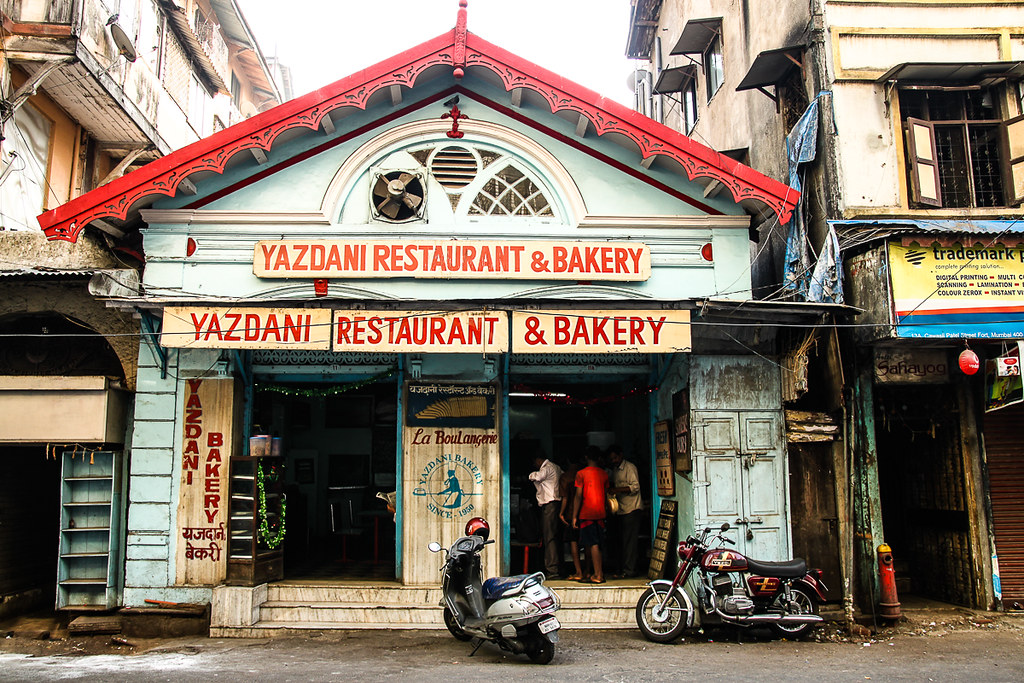
The must-visit remains Kyani & Co. , which has been serving the Dhobi Talao neighborhood since 1904. Order the Bun Maska (crusty bread with a thick slab of butter) and a glass of hot Irani chai. If you’re there for lunch, the Keema Ghotala (spiced minced mutton with eggs) is legendary.
For a slightly more "fine-dining" version of this history, head to Britannia & Co. Restaurant in Ballard Estate. Their signature dish is the Berry Pulao, a recipe brought from Iran by the late Boman Kohinoor’s wife. It’s a fragrant mix of rice, meat, and tart barberries that you simply won’t find elsewhere in India.
2. The Communal Feasts of Bohri Mohalla
The Dawoodi Bohra community has a unique culinary tradition centered around the Thaal—a massive communal tin-plated copper platter where up to eight people eat together. While the famous "The Bohri Kitchen" home-dining experience officially closed its doors in early 2026, the spirit of Bohri food is alive and well in the lanes of Bhendi Bazaar, specifically an area known as Bohri Mohalla.
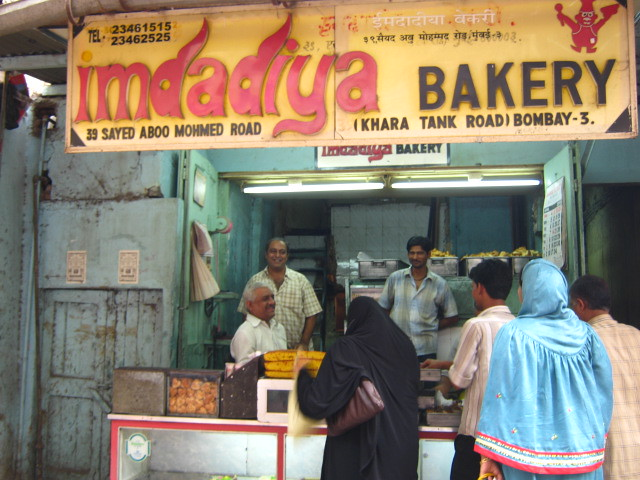
Your first stop should be Surti Barah Handi . The name refers to the twelve large pots (handis) embedded in a stone hearth, each slow-cooking a different cut of meat or bone marrow for hours. The resulting Nalli Nihari is a rich, gelatinous stew eaten with hot tandoori rotis. Follow this with a visit to Taj Ice Cream , a 150-year-old institution that still hand-churns its fruit ice creams in wooden barrels. The seasonal Sitaphal (custard apple) flavor is a local obsession.
3. Coastal Soul: Malvani and Gomantak Seafood
Mumbai is a coastal city, and its soul belongs to the sea. To taste the indigenous flavors of the Konkan coast, you must seek out Malvani and Gomantak (Goan-influenced) restaurants. The star of the show here is the Bombil or "Bombay Duck"—which, despite the name, is actually a very soft, gelatinous fish.
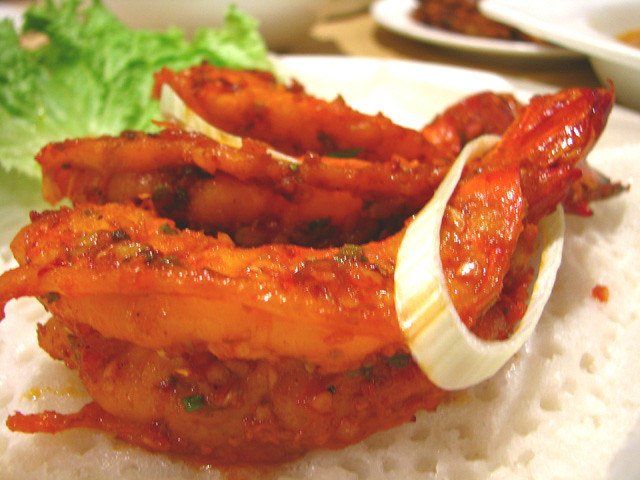
For the gold standard of Bombil Fry, head to Gajalee . They fry the fish so it’s crisp on the outside and literally melts into water on the inside. If you want a more "local" lunch-home vibe, Highway Gomantak in Bandra East offers incredible seafood thalis. Make sure to try the Sol Kadhi, a pink, tangy digestive drink made from kokum and coconut milk that provides the perfect cooling counterpoint to the fiery fish curries.
4. The Street Food Circuit: Beyond the Vada Pav
You cannot talk about Mumbai without mentioning Vada Pav, the city’s ubiquitous "burger." While every street corner has a stall, Ashok Vada Pav near Kirti College is often cited by locals as the absolute best because of its "chura" (crunchy bits of batter) and secret chutney.
However, the more "unique" street experience for a traveler is the Pav Bhaji at Sardar Refreshments . Unlike the diluted versions found in other Indian cities, Sardar’s bhaji is a buttery, spiced mash of vegetables served with buns so heavily buttered they are practically translucent. It is a decadent, high-calorie rite of passage for anyone visiting the city.
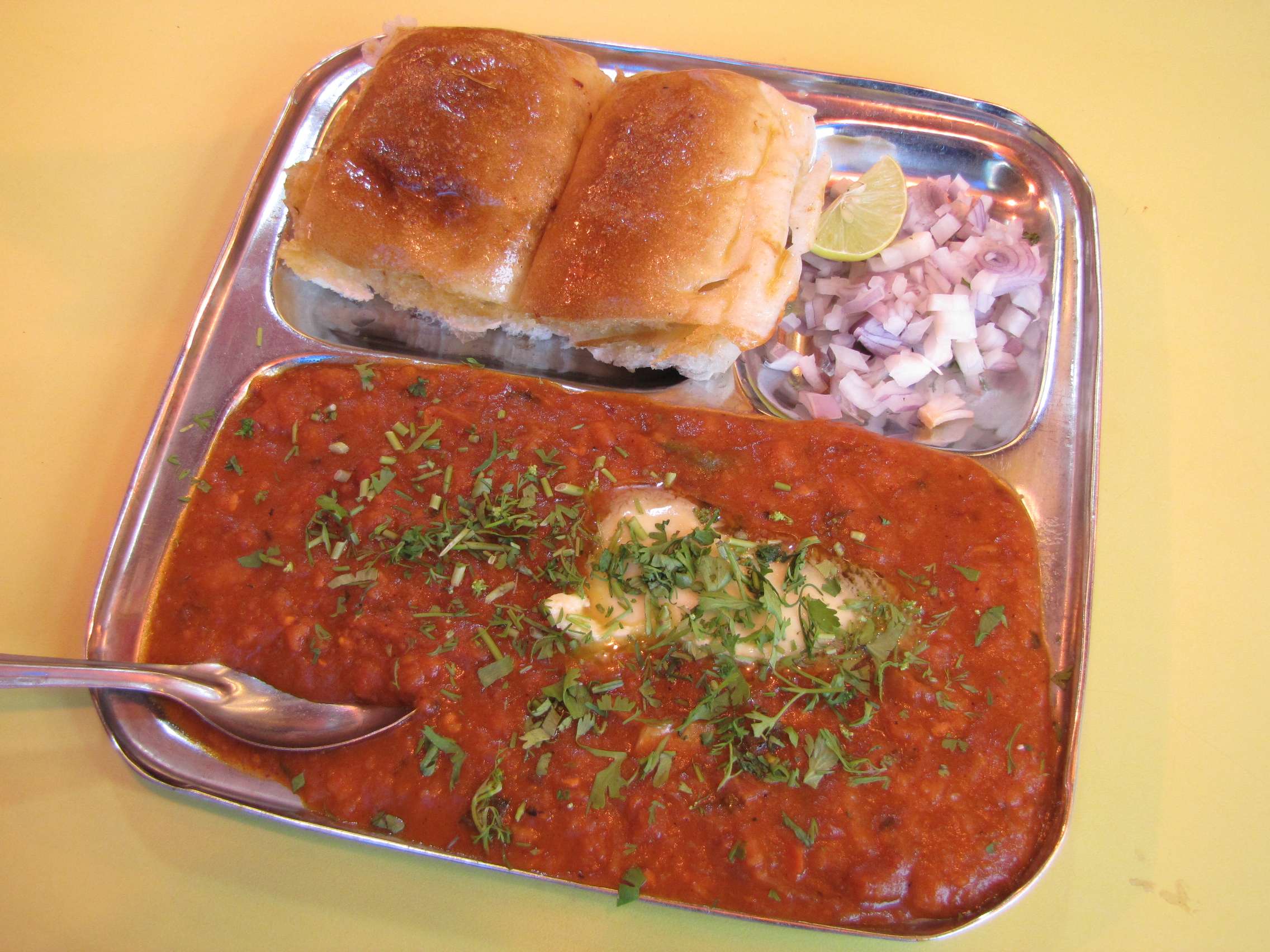
For a lighter evening snack, head to the sands of Girgaon Chowpatty. The Bhel Puri and Sev Puri stalls here have been serving tourists and locals for decades. The combination of puffed rice, tangy tamarind chutney, and fresh raw mango against the backdrop of the Arabian Sea at sunset is the quintessential Mumbai moment.
5. Modern Interpretations of Regional Gems
If you prefer your regional flavors in a more polished, cocktail-friendly environment, the modern Indian food scene in Mumbai is currently world-class. Restaurants like The Bombay Canteen in Kamala Mills have made it their mission to revive forgotten regional ingredients. They don't just serve "Indian food"; they serve specific, seasonal dishes like Moras Bhaji (sea purslane) or Red Pumpkin Oundhio.
These spots are popular with the 25-45 demographic and often require reservations weeks in advance. They represent the new Mumbai—proud of its roots but sophisticated in its execution.
Practical Tips for the Food Traveler
- Timing is Everything: Irani cafes often close by 8:00 PM or 9:00 PM. Bohri Mohalla, on the other hand, only truly comes alive after sundown.
- Transport: While the new Metro lines are opening up the city, South Mumbai is still best explored via the iconic black-and-yellow "Kaali Peeli" taxis.
- Hydration: Always stick to bottled water, and if you have a sensitive stomach, avoid the raw chutneys at smaller street stalls.
- Connectivity: Many of the best food spots are tucked away in "Khau Gallis" (food lanes) where street signs are non-existent. Use a local data plan to ensure you can navigate the labyrinthine alleys of Dadar or Fort without getting lost.
Mumbai’s food scene is a reflection of its people—resilient, diverse, and unapologetically bold. Whether you’re sitting on a plastic stool in a crowded market or under a whirring ceiling fan in a century-old cafe, you aren't just eating a meal; you’re consuming a piece of the city's living history.