
Madrid or Rome? The Best European Bases for Your First International Trip with a Baby
A viral debate is settled: why Madrid’s stroller-friendly infrastructure makes it the ultimate choice for new parents this spring.
Madrid or Rome? The Best European Bases for Your First International Trip with a Baby
The image of a sun-drenched afternoon in a Roman piazza, sipping a negroni while your six-month-old slumbers peacefully in a stroller, is the ultimate parental bait. But a recent viral debate on r/travel has pulled back the curtain on the "European Summer" dream, with seasoned parents reaching a surprising consensus: if you are traveling with an infant this spring, skip Rome and head to Madrid.
While Rome remains the eternal city for history buffs, the logistics of navigating its 2,000-year-old "sampietrini" (cobblestones) with a stroller can turn a vacation into a high-intensity cross-fit session. Madrid, by contrast, has emerged as the gold standard for infant travel, offering a rare trifecta of stroller-friendly infrastructure, a culture that treats babies like local celebrities, and a climate that peaks in May.
The Cobblestone Tax: Why Rome is Harder Than it Looks
Rome is a city built on layers, which is wonderful for archaeology but miserable for wheels. If you’ve been scouring Reddit for "Trip recommendations for May 2024 with 1 under 12 mos," you’ve likely seen the warnings. The charming, narrow streets of Trastevere are iconic, but they lack sidewalks. You will spend your day dodging Vespas while your baby’s head bounces like a bobblehead over uneven stones.
Then there is the Metro. While Rome’s subway system is improving, many stations still lack functioning elevators. Carrying a 20-pound baby plus a 15-pound stroller up three flights of stairs in 80-degree heat is not a holiday—it’s an endurance test. If you are dead set on Italy, babywearing is your only real path to sanity. But in the late May heat, having a sweat-drenched infant strapped to your chest for eight hours is its own kind of misery.
Madrid: The Stroller-Friendly Superpower
Madrid is a different animal entirely. It is a modern, functional metropolis that feels like it was designed by someone who actually owns a Bugaboo. The sidewalks (aceras) are wide, paved with smooth stone, and feature curb cuts at every single intersection.
The Metro de Madrid is arguably the most accessible in Europe. Almost every major station you’ll need—including Sol and Gran Vía—has reliable, spacious elevators. You can roll from your hotel to the Prado Museum without ever having to lift the stroller frame.
Beyond the pavement, there is the culture of parques. In May, the weather is a perfect 70°F (21°C). The Parque del Buen Retiro isn't just a park; it’s a 350-acre sanctuary of flat, paved paths and shade. You can spend an entire afternoon wandering the gardens, and when the baby needs a diaper change, you aren't hunting for a dingy cafe bathroom. The park’s public facilities are surprisingly clean and accessible.
To keep your logistics moving smoothly while navigating the city's outskirts or finding that one specific baby-friendly cafe, grab a Spain eSIM before you land. Having data the second you touch down at Barajas (MAD) means you can call a Bolt with a car seat instead of haggling with a taxi queue.
The "Late Night" Myth
One of the biggest anxieties for parents heading to Spain is the schedule. "They eat dinner at 10:00 PM! How will my baby sleep?"
Here is the secret: Spanish culture is actually more aligned with baby life than American or British culture. In Madrid, children are welcome everywhere, at any hour. It is perfectly normal to see a family eating tapas at 9:00 PM with a baby sleeping in a stroller next to the table. Because the city stays alive late, you don't feel like a hermit trapped in your hotel room at 7:00 PM. You can put the baby in the stroller, head to a plaza like the Plaza de Olavide in the Chamberí neighborhood, and enjoy a meal while the baby naps in the cool evening air.
In Rome, the restaurant scene can feel a bit more cramped and formal in the tourist center. In Madrid, the "tapas crawl" is essentially a mobile dinner—perfect for a parent who might need to make a quick exit if a meltdown occurs.
Flying with an Under-12-Month-Old: The MAD vs. FCO Factor
The flight itself is often the biggest hurdle. If you’re flying from the US East Coast, Madrid (MAD) is a shorter haul than Rome (FCO) by about 60 to 90 minutes. That hour is the difference between a baby who sleeps through the descent and a baby who hits their "overtired" wall while you're waiting for your bags.
When booking, I always recommend checking the specific aircraft. Iberia’s A350s, which frequently run the JFK-MAD route, have excellent bassinet positions in the bulkhead rows. However, these fill up fast. Use a flight tracker like PingWing to monitor your flight status and, more importantly, to see if there are delays on the inbound leg. Nothing kills a parent’s spirit faster than being trapped at the gate with a "lap infant" for three hours because the plane is stuck in another city.
The Counterintuitive Tip: Bring the "SUV" Stroller
The standard advice for Europe is to buy a tiny, flimsy "travel stroller" like the Babyzen Yoyo. It’s light, sure. But if you are going to Madrid, I’m going to tell you to do the opposite: Bring your full-sized stroller.
Madrid’s sidewalks can handle it. The extra storage space underneath is vital for carrying the mountain of diapers, wipes, changes of clothes, and groceries you’ll accumulate. More importantly, a full-sized stroller with real suspension allows the baby to nap for longer stretches. If the baby is comfortable, you can stay out for five hours. If they are being rattled around in a "lightweight" stroller with wheels the size of silver dollars, they’ll be awake and screaming in twenty minutes.
Practical Logistics for May 2024
If you are finalizing your May 2024 plans, here is your quick-start checklist for Madrid:
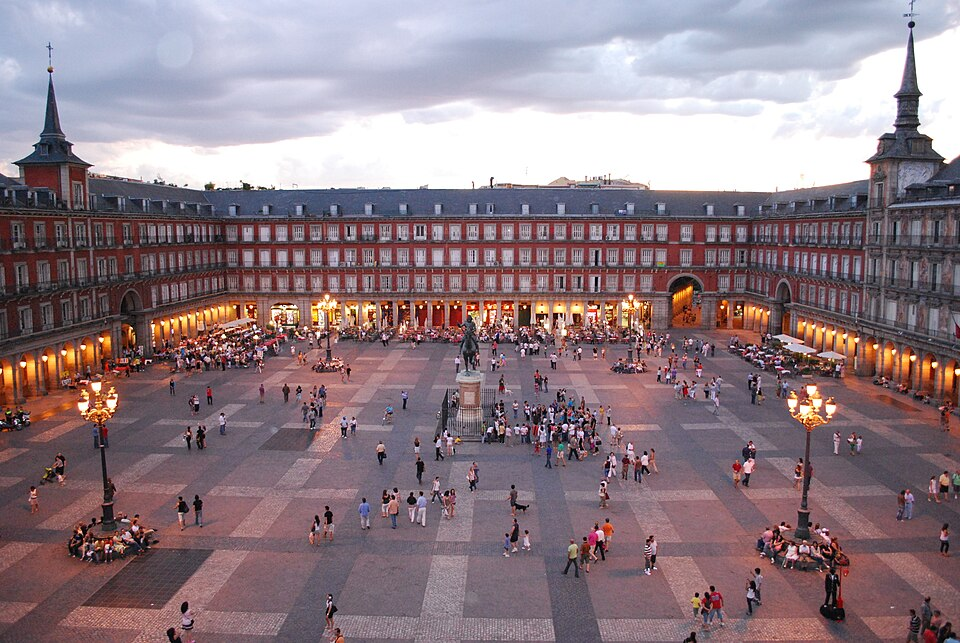
- Neighborhood Choice: Stay in Chamberí or Retiro. These are residential, upscale, and incredibly flat. Avoid the area around Plaza Mayor if you hate hills and crowds.
- Health & Safety: Spanish pharmacies (farmacias) are incredible. They carry high-end formula brands like Nan and Hipp. You don't need to pack a week's worth of diapers; just bring enough for the flight and buy the rest there. For extra peace of mind, especially with a little one, I never travel without comprehensive travel insurance from Ekta to cover any unexpected pediatric visits.
- The "Siesta" Window: Between 2:00 PM and 5:00 PM, many smaller shops close. This is your cue to head to the park or back to the Airbnb for a reset. Use this time to recharge your own batteries.
- Skip the Lines: If you want to see the Royal Palace , book a timed entry through Tiqets. Standing in a 90-minute sun-baked line with a 10-month-old is a recipe for disaster.
The Verdict
Rome is a city you experience with your eyes; Madrid is a city you experience with your life. When you have a baby under 12 months, you aren't just "seeing sights"—you are managing a tiny human in a new environment.
Madrid’s infrastructure removes the friction of travel. It allows you to feel like a person again, rather than just a pack mule for baby gear. You can walk for miles, eat world-class food, and navigate the city with the same ease you would at home—only with better wine and more beautiful plazas.
The "perfect" first international trip isn't the one with the most famous monuments. It’s the one where you actually get to finish a conversation with your partner because the baby is asleep in a stroller that isn't stuck in a 2,000-year-old crack in the pavement. Choose Madrid. Your knees (and your baby) will thank you.