
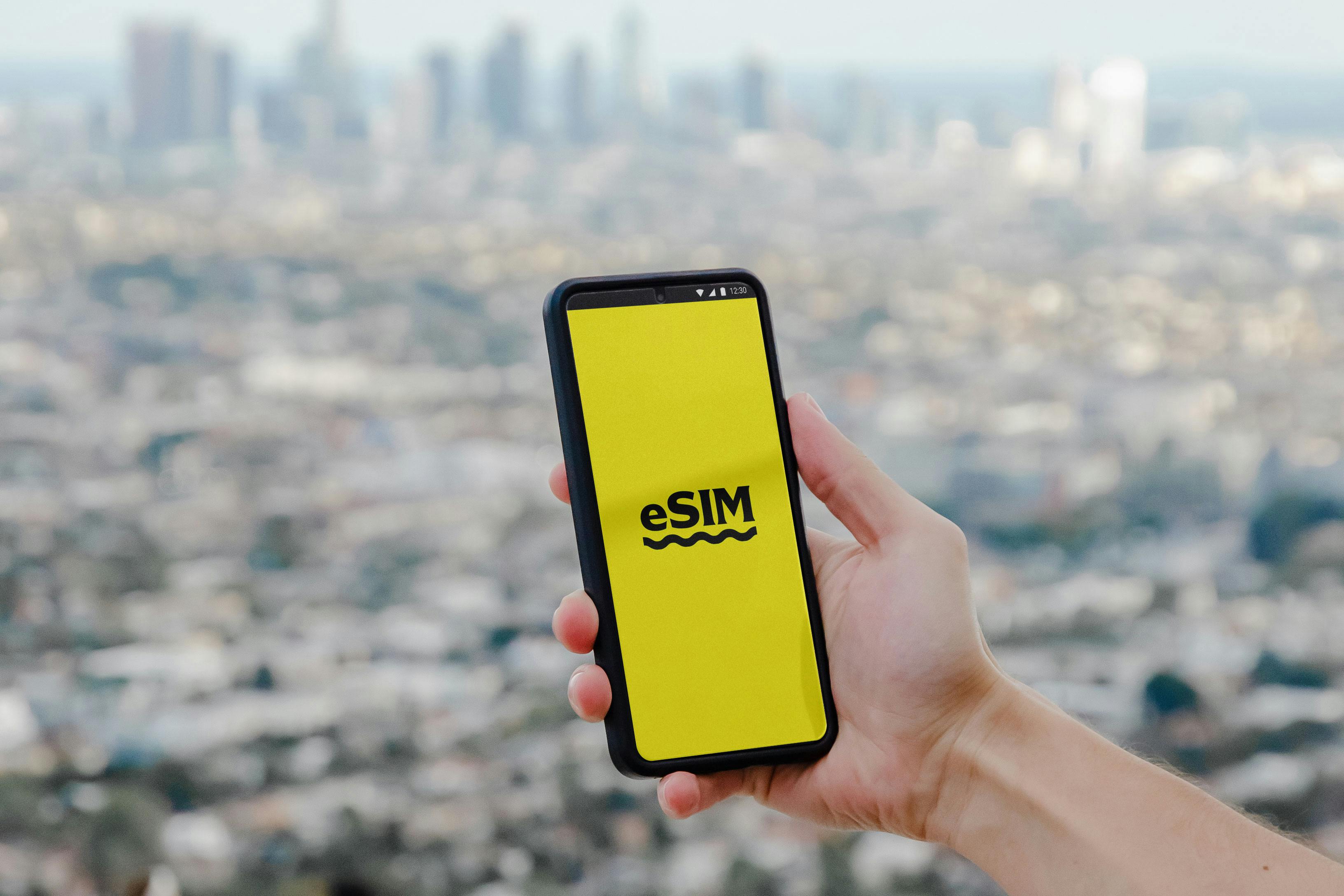
eSIM Scams Are RISING: How to Protect Yourself While Traveling
Don't get caught out by fake eSIM providers. Learn how to spot and avoid eSIM scams to stay connected safely on your next trip.
eSIM Scams Are RISING: How to Protect Yourself While Traveling
Remember the days of exorbitant roaming charges? Thankfully, eSIMs have emerged as a game-changer for staying connected abroad. But as with any popular technology, scams are on the rise. Don't get caught out by fake eSIM providers! Here’s how to spot and avoid eSIM scams, so you can stay connected safely on your next adventure.
The Allure of eSIMs
First, let's recap why eSIMs are so great. Unlike physical SIM cards, eSIMs are embedded directly into your phone. You can download a data plan for your destination without fumbling with tiny pieces of plastic or visiting a local phone shop. This is especially useful if you're hopping between countries or need a local number temporarily.
I remember landing in Bangkok (BKK) after a long flight and being able to activate my Thailand eSIM within minutes. No more hunting for a SIM card vendor or dealing with language barriers!
The Dark Side: eSIM Scams Explained
Unfortunately, the convenience of eSIMs has attracted scammers. They typically operate by creating fake websites or social media profiles that mimic legitimate eSIM providers. They might lure you in with unbelievably low prices or promises of unlimited data. Once you purchase an eSIM from them, you might receive:
- A non-functional eSIM: The QR code they send you simply doesn't work.
- A data plan with hidden fees: You might get charged extra for exceeding a small data allowance.
- Malware: Downloading their "eSIM profile" could infect your device with malicious software.
- Stolen personal information: Fake providers might harvest your credit card details and other sensitive data.
Red Flags: Spotting a Fake eSIM Provider
Here are some telltale signs that an eSIM provider might be a scam:
- Unrealistic prices: If the price seems too good to be true, it probably is. Compare prices from multiple providers before making a decision.
- Lack of reviews or negative reviews: Check online reviews before purchasing an eSIM. A lack of reviews or overwhelmingly negative reviews are a major red flag.
- Suspicious website: Look for typos, grammatical errors, and unprofessional design. A legitimate company will invest in a well-designed website.
- Pushy sales tactics: Be wary of providers that pressure you to buy immediately or offer limited-time deals.
- Requests for unusual payment methods: Scammers often prefer payment methods like gift cards or cryptocurrency, which are difficult to trace.
- No customer support: A legitimate eSIM provider should offer responsive customer support channels. Test their support before buying.
Staying Safe: How to Avoid eSIM Scams
Here's how to protect yourself from eSIM scams:
- Stick to reputable providers: Buy eSIMs from well-known and trusted providers like Airalo or Yesim.
- Research the provider: Before making a purchase, research the provider online. Look for reviews, ratings, and customer testimonials.
- Verify the website's security: Make sure the website uses HTTPS encryption (look for the padlock icon in the address bar).
- Read the fine print: Pay close attention to the terms and conditions, including data allowances, roaming charges, and refund policies.
- Use a secure payment method: Pay with a credit card or PayPal, which offer buyer protection in case of fraud.
- Avoid clicking on suspicious links: Be wary of links in emails or social media posts that promote eSIMs. Always go directly to the provider's website.
- Protect your personal information: Never share your credit card details, passport information, or other sensitive data with an untrustworthy provider.
- Consider using a VPN: A VPN can encrypt your internet traffic and protect your data from hackers, especially when using public Wi-Fi. You can get a Secure VPN via NordVPN.
- Buy in advance: Don't wait until you land to buy an eSIM. Purchase it a few days before your trip to give yourself time to research and troubleshoot any issues.
Counterintuitive Tip: Check the eSIM's Coverage Map
Many providers have coverage maps on their website. Zoom in on the specific areas you'll be visiting. I once assumed an eSIM would work seamlessly throughout Italy, only to discover it had limited coverage in rural Tuscany.
What to Do If You Get Scammed
If you think you've been scammed, take these steps immediately:
- Contact your bank or credit card company: Report the fraudulent transaction and request a chargeback.
- Change your passwords: Change the passwords for your email, social media, and other online accounts.
- Report the scam: Report the scam to the Federal Trade Commission (FTC) or your local consumer protection agency.
- Warn others: Share your experience on social media or online forums to warn other travelers.
Stay Connected, Stay Safe
eSIMs are a fantastic way to stay connected while traveling, but it's crucial to be aware of the risks. By following these tips, you can avoid eSIM scams and enjoy a worry-free travel experience. Now go forth, explore, and share your adventures – safely!