
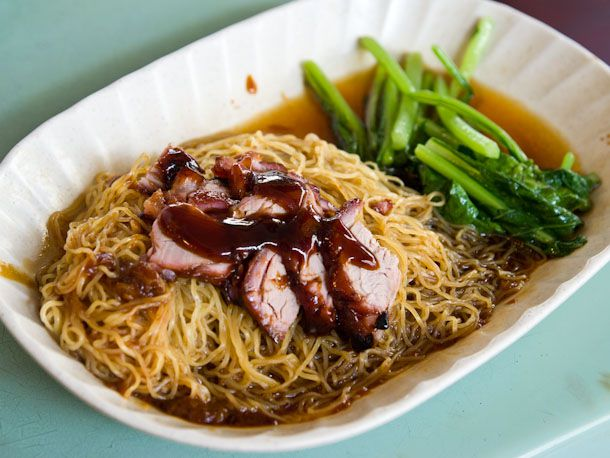
Beyond the Michelin Stars: A Deep Dive into Singapore’s Unique Food Scene
Forget the tourist traps; discover the soul of Singapore through its Eurasian heritage, Peranakan flavors, and the unspoken rules of the world’s best hawker centers.
For most travelers, Singapore is a high-efficiency transit hub—a place of glittering terminals, indoor waterfalls, and the best-timed flight connections in Asia. But if you only see the city through the windows of a taxi between Changi Airport and a downtown hotel, you are missing the most complex culinary landscape on the planet.
Singapore’s food scene isn't just a collection of "best-of" lists. It is a living map of migration, colonialism, and radical urban planning. To eat here like a local, you need to look past the "Crazy Rich Asians" filming locations and dive into the specific, often hidden, cuisines that define the island’s identity.
The Hawker Centre: A Masterclass in Efficiency
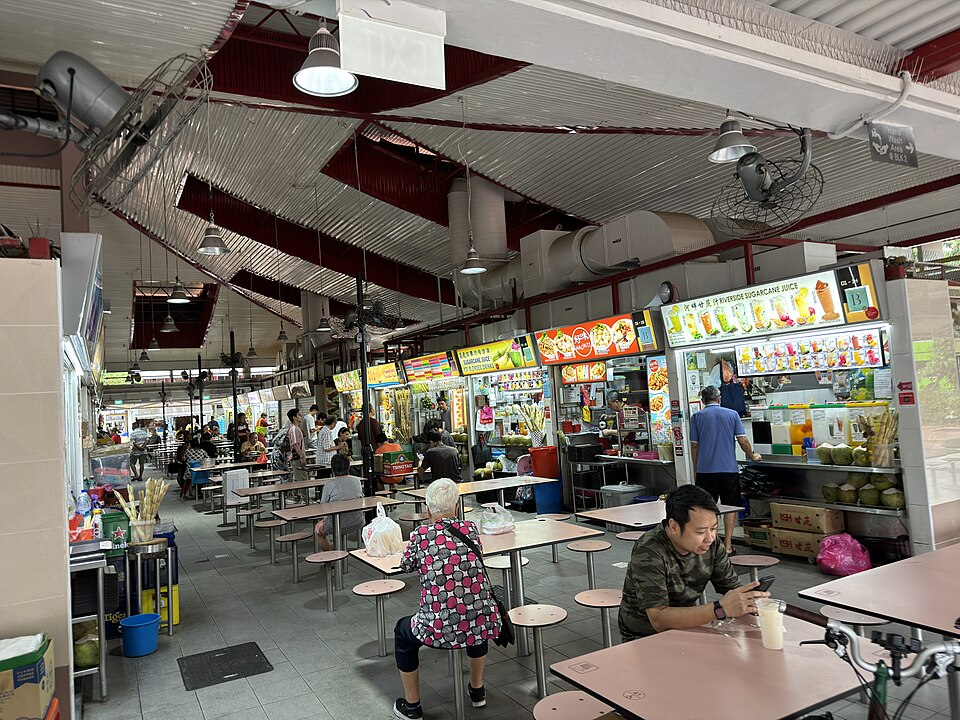
Before you can explore specific cuisines, you have to understand the theater of the Singaporean hawker center. These are not "food courts." They are UNESCO-recognized cultural institutions. For a frequent flyer used to overpriced airport sandwiches, the hawker center is a revelation: Michelin-quality food for the price of a coffee.
However, there is an etiquette to observe. If you see a pack of tissues or an umbrella on an empty table, do not sit there. This is "choping"—the local way of reserving a seat while you go to queue for food. It is an honors system that works with surprising rigidity.
To navigate these sprawling markets and find the specific stalls that locals queue an hour for, you’ll want a reliable data connection to check live reviews and maps. Grabbing a Singapore eSIM before you land ensures you aren't wandering aimlessly through the heat while trying to find a specific stall at Maxwell Food Centre .
Peranakan: The Original Fusion
If you only try one "unique" cuisine in Singapore, make it Peranakan (also known as Nyonya). This is the food of the Straits Chinese—descendants of Chinese immigrants who married into the local Malay community centuries ago.
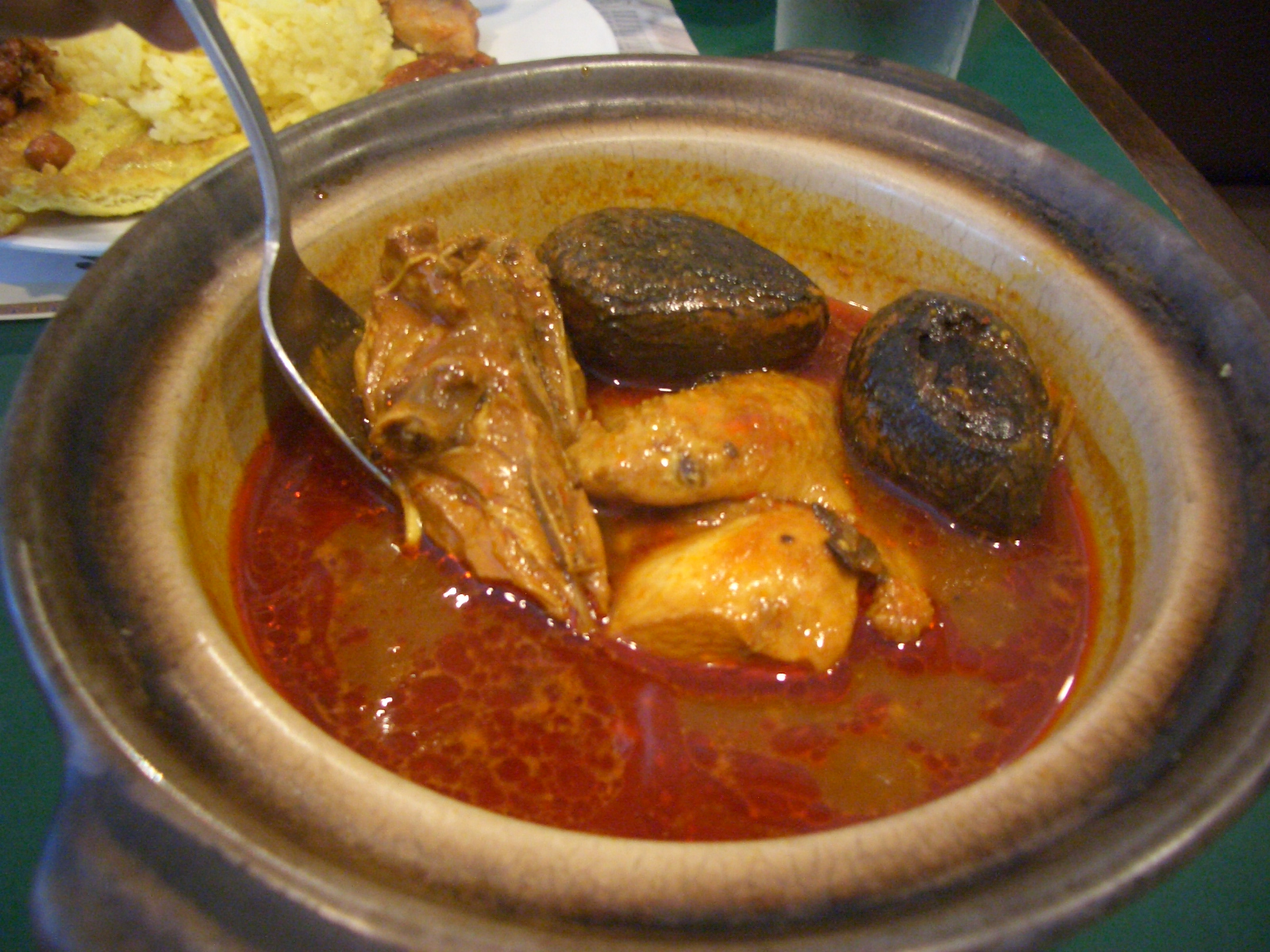
It is a cuisine of patience. Many dishes require days of preparation, involving the pounding of "rempah" (spice pastes) and the slow stewing of ingredients. The star of the show is often Ayam Buah Keluak. This chicken stew uses the "black nut" from the Kepayang tree, which is poisonous until it has been fermented and buried in the ground for months. The result is a rich, earthy, chocolatey-bitter gravy that tastes like nothing else on earth.
For an authentic experience, head to the Katong neighborhood. While many tourists flock to the city center, Katong and Joo Chiat Road remain the heart of Peranakan culture. Stop by Kim Choo Kueh Chang for their famous Nyonya rice dumplings wrapped in bamboo leaves.
Eurasian Cuisine: The Forgotten Heritage
While the Chinese, Malay, and Indian influences are well-documented, the Eurasian community—descendants of Europeans (mostly Portuguese, Dutch, and British) who intermarried with Asians—offers one of the most interesting but overlooked culinary traditions.
The definitive Eurasian dish is Debal Curry, commonly known as "Devil’s Curry." It was traditionally made the day after Christmas using leftovers, flavored with vinegar, mustard seeds, and an intense amount of chili. It is fiery, tangy, and deeply savory.
Finding truly authentic Eurasian food can be a challenge as it is often kept within family homes, but Quentin's Eurasian Restaurant in the Eurasian Heritage Gallery is the gold standard. It’s located in a quiet residential area, far from the tourist bustle, offering a glimpse into a side of Singaporean history that most visitors never see.
Changi Village: The Layover Secret
If you have a long layover and don't want to venture all the way into the city, take a short 15-minute taxi to Changi Village Hawker Centre . This is widely considered the "Nasi Lemak" capital of Singapore.
Nasi Lemak is a fragrant rice dish cooked in coconut milk and pandan leaf. While it’s available everywhere, the stalls at Changi Village are legendary for their sambal (chili paste) and the freshness of their fried fish and chicken wings. It’s a favorite weekend spot for locals who cycle or hike in the nearby Changi Beach Park. It feels worlds away from the high-tech terminals of the airport, despite being just a few kilometers away.
"Mod-Sin": The New Frontier
For the traveler who values the 25-45 demographic’s love for innovation, "Mod-Sin" (Modern Singaporean) is the high-end evolution of these traditional flavors. Chefs are taking hawker staples and deconstructing them using fine-dining techniques.
At restaurants like Labyrinth, you might find a dish that looks like a traditional "Chilli Crab" but is actually a savory ice cream or a refined mousse. It’s a way for the younger generation of Singaporeans to pay homage to their heritage while pushing the boundaries of what "local food" can be. It is expensive, often requiring reservations weeks in advance, but it provides a fascinating bridge between the old-world hawker stalls and Singapore’s future as a global culinary leader.
Practical Tips for the Hungry Traveler
- The "SimplyGo" System: You don't need a special transport card anymore. You can tap in and out of buses and the MRT (subway) using your contactless credit card or phone. This makes hopping between food centers incredibly easy.
- Timing is Everything: Popular hawker stalls often open early (around 10:00 AM or 11:00 AM) and close the moment they sell out, which can be as early as 2:00 PM. If you want the famous Tian Tian Hainanese Chicken Rice at Maxwell, don't wait until dinner.
- Hydration and Heat: Singapore is punishingly humid. Hawker centers are generally open-air and cooled only by ceiling fans. Always carry a water bottle, and look for the "Drink Stall" in every hawker center to try a Teh C Peng (iced tea with evaporated milk) or fresh lime juice to cool down.
- The Michelin Bib Gourmand: While the Michelin Stars get the headlines, the "Bib Gourmand" list (which recognizes high-quality food at a lower price point) is the ultimate checklist for Singapore. Many of these are humble hawker stalls.
Closing the Loop
Singapore is a city that reveals itself one bite at a time. Whether you’re digging into a bowl of Laksa in the colorful streets of Katong or sweating over a plate of Devil’s Curry in a quiet heritage center, the food tells a story of a tiny island that became a giant by blending every culture that landed on its shores.
Don't settle for the airport lounge food. Use your layover or your vacation to explore the neighborhoods where the real cooking happens. Just remember to bring your own tissues—and maybe an extra-large appetite.